
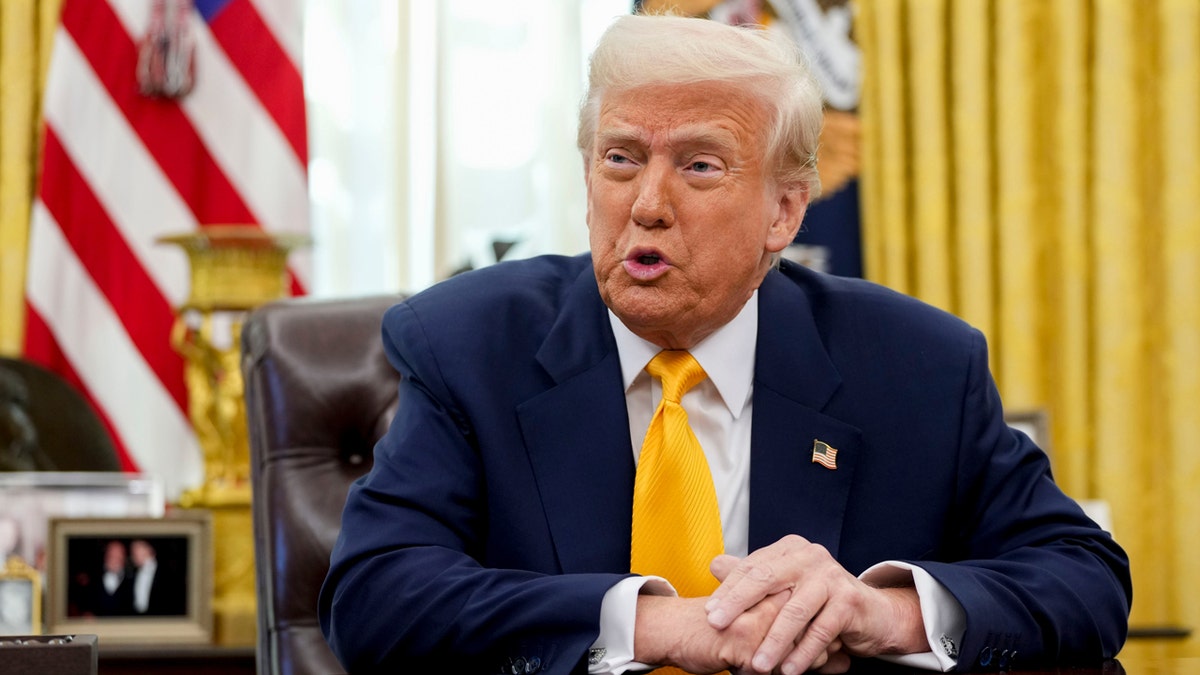
President Donald Trump announced that Iran has released an American woman, Dena Karari, who was detained in the country for over a year. Karari, an Iranian-American, was accused of espionage due to her work with an American nonprofit helping impoverished children. Her attorney, Jared Genser, confirmed her release.
Trump shared the news via a post on Truth Social, stating that Karari was detained in December 2024, during the Biden administration, but she has since been allowed to leave Iran. Trump noted that Karari is now safely outside Iran and in good condition.
Significant Release Amid Tensions
Karari’s release is the first of an American from Iranian custody since 2023. This development occurs amidst ongoing military confrontations between Washington and Tehran. Trump expressed gratitude to Iran, calling the release a “gesture of goodwill.”
Genser revealed that Karari faced accusations of collaboration with a hostile state and espionage. However, she was not formally imprisoned but held through a “coercive exit ban” and subjected to repeated interrogations by Iran’s Ministry of Intelligence and Security.
Genser’s Statement
“We urge Iran to drop all remaining charges against those supporting the Children of Mehr Foundation, who committed no crimes.”
Genser also called for the release of all wrongfully imprisoned Americans and Iranian political prisoners.
Hostages and Political Leverage
Sources previously told Fox News Digital that Iran might be holding more than eight American citizens and residents. Notably, Kamran Hekmati, held since May 2025, and Reza Valizadeh, detained since March 2024.
A U.S. State Department official affirmed that “President Trump is working to secure the release of detained Americans worldwide.” Iran has a history of detaining foreign nationals as political leverage, demanding concessions such as the release of frozen financial assets.
Prisoner Exchange
In September 2023, the U.S. completed a prisoner exchange, securing the release of five Americans held in Iran. In exchange, the U.S. allowed the transfer of $6 billion in frozen funds.