
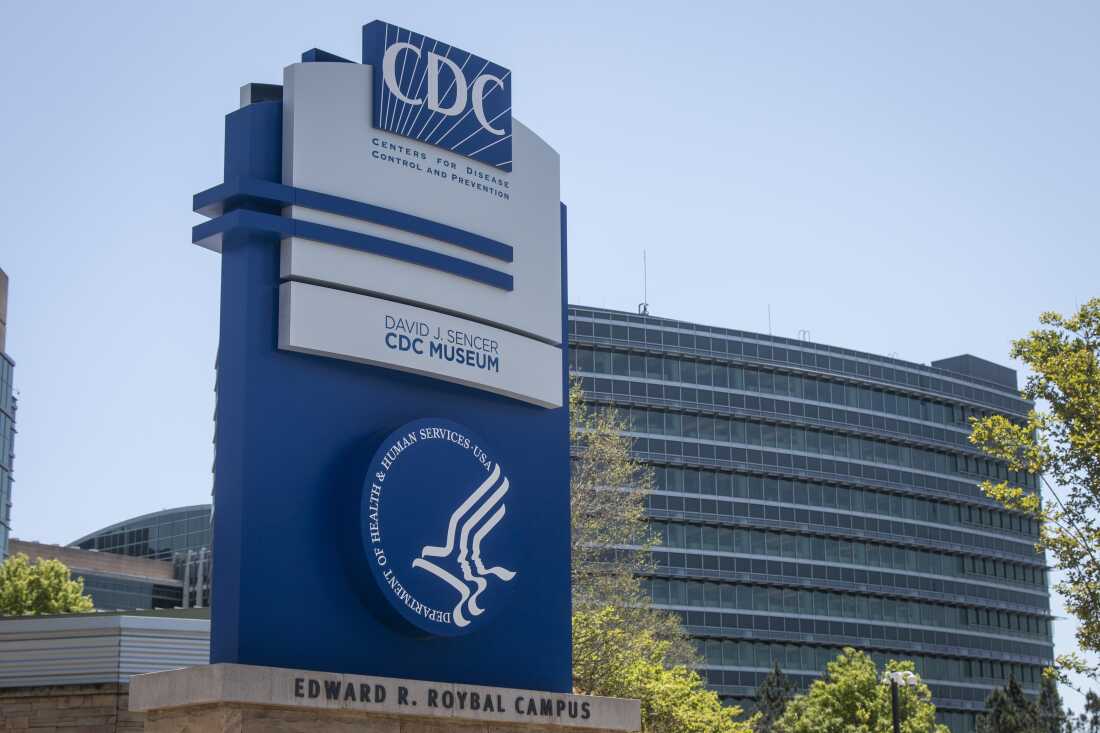
The Centers for Disease Control and Prevention (CDC) is examining a surge in cases of cyclosporiasis, an intestinal illness marked by diarrhea, nausea, and fatigue. As of the latest reports, 1,645 confirmed cases have been noted across 34 states, though the CDC suggests the actual number may be higher. This is because many cases go unreported or resolve without medical intervention. In Michigan alone, 3,309 cases have been confirmed.
As of Thursday, the CDC documented 141 hospitalizations nationwide with no fatalities. Several clusters of cases are currently under investigation, involving states such as Michigan, Ohio, West Virginia, and Kentucky. Cyclosporiasis is caused by consuming food or water contaminated with the Cyclospora parasite. Past outbreaks linked to fresh produce have been significant, such as salad contamination at McDonald’s in 2018 and tainted lettuce from Mexico in 2013 affecting 400 people in the U.S.
Geographical Spread and Detection
Infections have been reported from California to Florida, with high numbers in the Midwest and Northeast, notably Michigan and New York. Ohio, reporting 177 cases as of early July, highlights cyclosporiasis as a serious condition that can lead to dehydration and emergency medical care.
CDC data shows patients range from 5 to 88 years old, and numbers are anticipated to increase due to reporting delays. Health authorities continue efforts to pinpoint outbreak sources by tracing patient consumption histories, although the long latency of symptoms complicates recall accuracy.
Investigation and Preventive Measures
The CDC continues to seek the origins of the cyclosporiasis spike. Historical outbreaks have been traced to specific produce items like raspberries, basil, cilantro, snow peas, and lettuce. To prevent infection, it’s advised to cook produce to 158°F or rinse thoroughly under running water. General hygiene, such as washing hands before meal prep, is crucial.
Health officials emphasize testing for cyclosporiasis. Physicians are urged to request targeted laboratory tests on stool samples, which might necessitate multiple samples due to the parasite’s lifecycle.
Symptoms and Treatment
The CDC advises medical attention for symptoms like prolonged watery diarrhea, fatigue, or appetite loss. Dr. Kawsar Talaat from Johns Hopkins Hospital explains symptoms vary and may include intermittent diarrhea. Accurate reporting is essential to trace the outbreak’s source and transmission pathways.
Talaat notes that standard tests are insufficient for diagnosing cyclosporiasis. She reiterates the importance of specific testing and the possibility of needing multiple stool samples for confirmation.
An effective treatment for cyclosporiasis is the antibiotic trimethoprim/sulfamethoxazole (Bactrim, Septra), effective against the parasite over a 7-10 day course. While some healthy adults may resolve the infection unaided, vulnerable populations should prioritize early testing and treatment to prevent complications.