
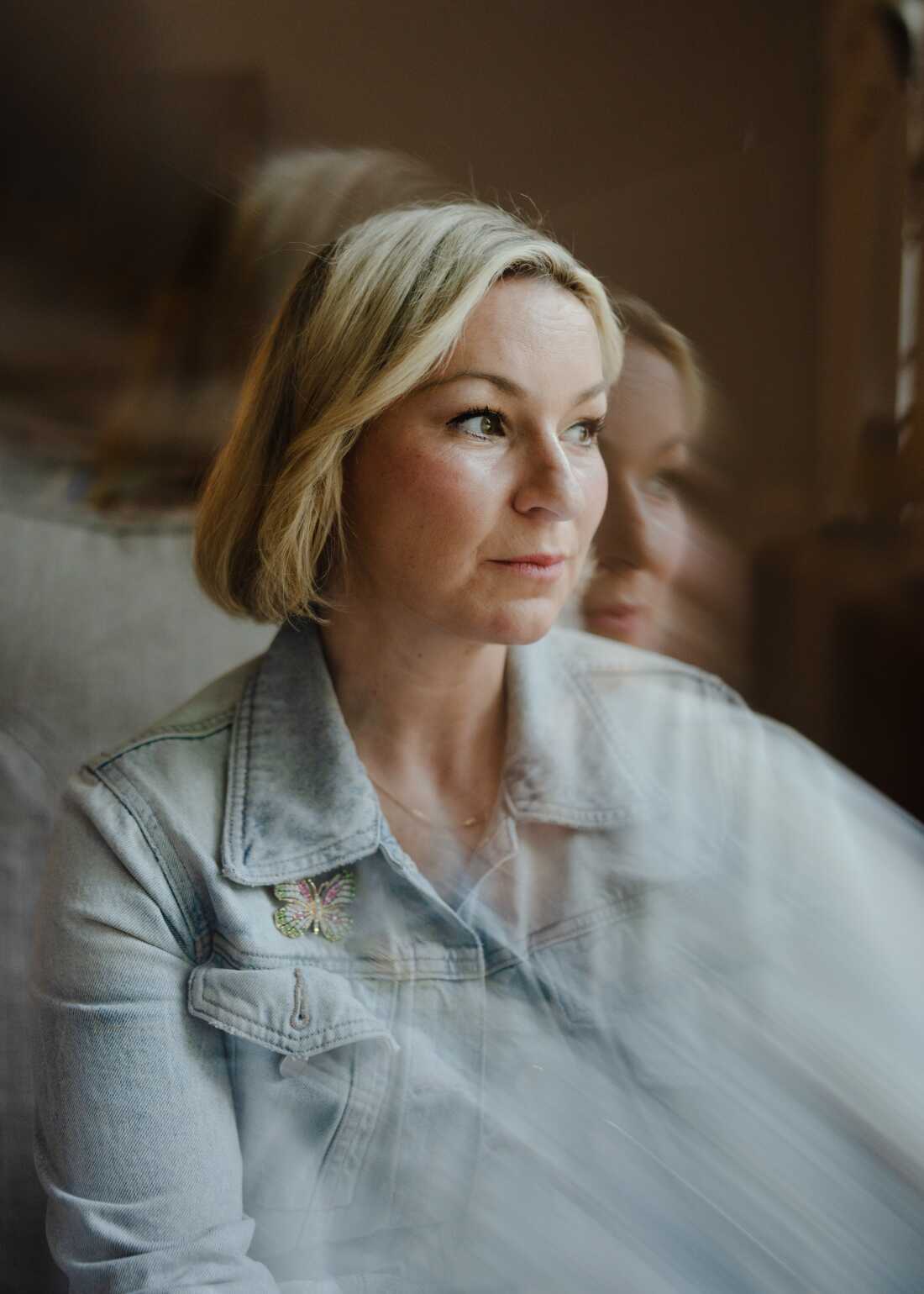
In a quiet New Jersey suburb, Dani Bensky manages her daily tasks while being an activist. Her home is filled with reminders of her son, Dax, who dreams of being a ninja. The house displays kid’s artwork, a small backpack on the floor, and a leftover smoothie on the table.
Alongside her domestic life, visible signs of another existence persist—the shadow of abuse by Jeffrey Epstein. Photos on the dining room table showcase Bensky’s life before Epstein, when she was a young dancer. In her dresser, she keeps documents related to Epstein’s crimes, alongside reminders of her past experiences.
Bensky, like many survivors, contends with the lasting impacts of Epstein’s abuse. Diagnosed with PTSD, she continues to speak up, participating in legal processes and advocacy work. Former Attorney General Pam Bondi noted that these survivors still push for accountability, even if no new arrests have been made.
Bensky remains involved in political efforts to ensure the release of Epstein’s files does not threaten survivors’ privacy. As she engages in advocacy, the journey is far from easy. Frustration occasionally sets in due to the length and complexity of seeking justice.
Despite challenges, a group of about 15 survivors, including Bensky, remains committed. They aim to support changes in laws against trafficking and assault. This responsibility often feels overwhelming, but their advocacy is personal and shared among peers.
Bensky frequently travels from New Jersey to Washington, D.C., and other cities for conferences and hearings. There, she finds solace with fellow survivors like Annie Farmer. Together, they turn routine encounters into moments of solidarity, bonding beyond their shared trauma.
Recently, Bensky sat on a panel at the World Without Exploitation conference, joining hundreds of advocates. The group discussed enduring issues of sexual trafficking, pushing against the focus on individual cases to highlight wider concerns.
The advocacy process is emotionally and physically taxing. Long days in D.C. can lead to exhaustion and stress, but the support from their ‘survivor sisterhood’ sustains them. Their connections provide strength and hope for substantial, systemic change.
Amidst these efforts, Bensky’s life at home continues. She frequently travels but still makes time for Dax, striving to balance her role as both an activist and a mother. Her son connects with other children of survivors, fostering a network of resilience among families.
Returning from advocacy duties, Bensky settles back into her role as a parent, despite the challenges of managing both aspects of her life. The fight for justice and the legacy of Jeffrey Epstein remain intertwined in her existence.