
Recent reports indicate that traditional methods in medical education might leave front-line clinicians inadequately prepared for interpreting electrocardiograms (ECGs). A comprehensive study across healthcare specialties revealed that clinicians, on average, accurately interpret ECGs only 56.4% of the time. In critical cardiac emergencies, error rates range between 25% and 30% for both physicians and non-physicians.
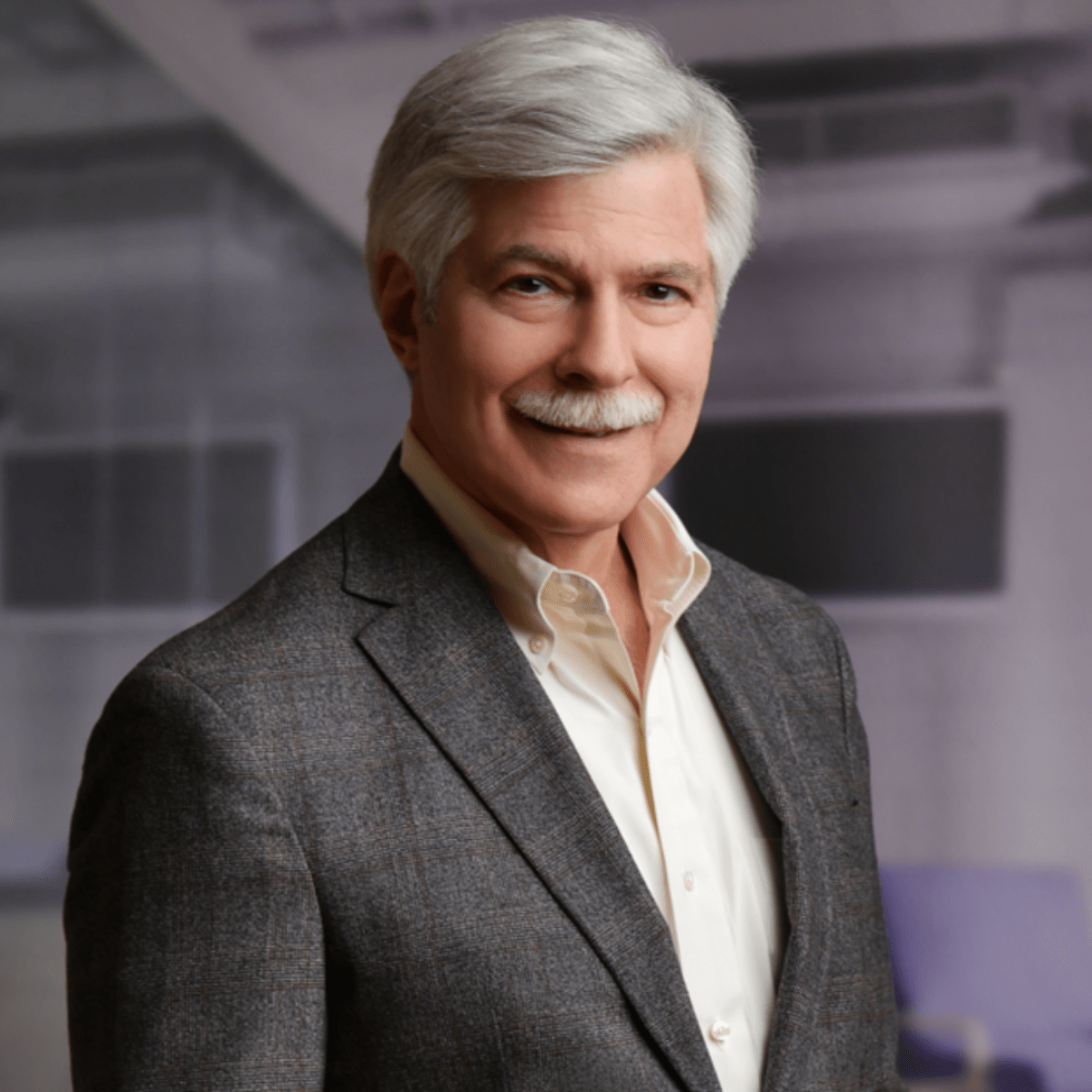
These challenges often worsen when clinicians over-rely on automated interpretations or textbook patterns without understanding real-world physiological variables influencing a patient’s rhythm. These insights align with Dr. Nicholas Tullo’s career observations: ECG education needs to evolve beyond surface recognition and memorization. He asserts that reliance on memory aids and simple pattern recognition can lead to unnecessary procedures, delays in diagnosis, and diminished clinician confidence. Dr. Tullo, through ECG Academy, guides healthcare professionals to develop a profound understanding of the physiology behind waveforms.
Tullo’s journey from aspiring surgeon to cardiologist specializing in the heart’s electrical activity reflects his alignment of career with personal strengths. His musical background as a guitarist and drummer sharpens his perception of rhythm and dynamics, enabling him to interpret ECGs as musical compositions. This perspective enhances his attention to detail and offers a unique framework for comprehending complex rhythm disorders.
Tullo recognized a disconnect between classroom ECG instruction and real-world clinical challenges. He criticizes traditional ECG education for simplifying interpretation to pattern recognition and memory shortcuts. Patients often present with rhythms influenced by various factors like posture, activity, and medication, which traditional methods overlook. He addresses this gap by creating practical lessons that elucidate not just what an ECG shows, but why.
His initial home-recorded lessons evolved into ECG Academy, an online platform offering comprehensive education on electrocardiography. The program includes weekly coaching, advanced classes, and accredited courses, allowing flexible learning around clinical schedules. ECG Academy focuses on simplifying complexity, humanizing instruction through real clinical experiences, and teaching rhythm as a language for interpretation through understanding, not memorization alone.
Learners explore physiological principles that give waveforms meaning and apply this knowledge through various learning formats. The goal is for clinicians to interpret ECGs accurately, ensure timely escalations, and facilitate faster, safer patient care. Clinical practice and research are integral, with Tullo’s experiences in addressing fainting and autonomic dysfunction informing the curriculum.
The demand for diagnostic accuracy and efficient decision-making in healthcare is growing. Tullo’s approach marks a shift from memorized patterns to a comprehensive understanding of physiology and patient-specific variables. By melding scientific insights, practical experiences, and a musician’s interpretive discipline, Tullo aims to transform how clinicians understand the heart’s electrical language and confidently respond when it communicates.