
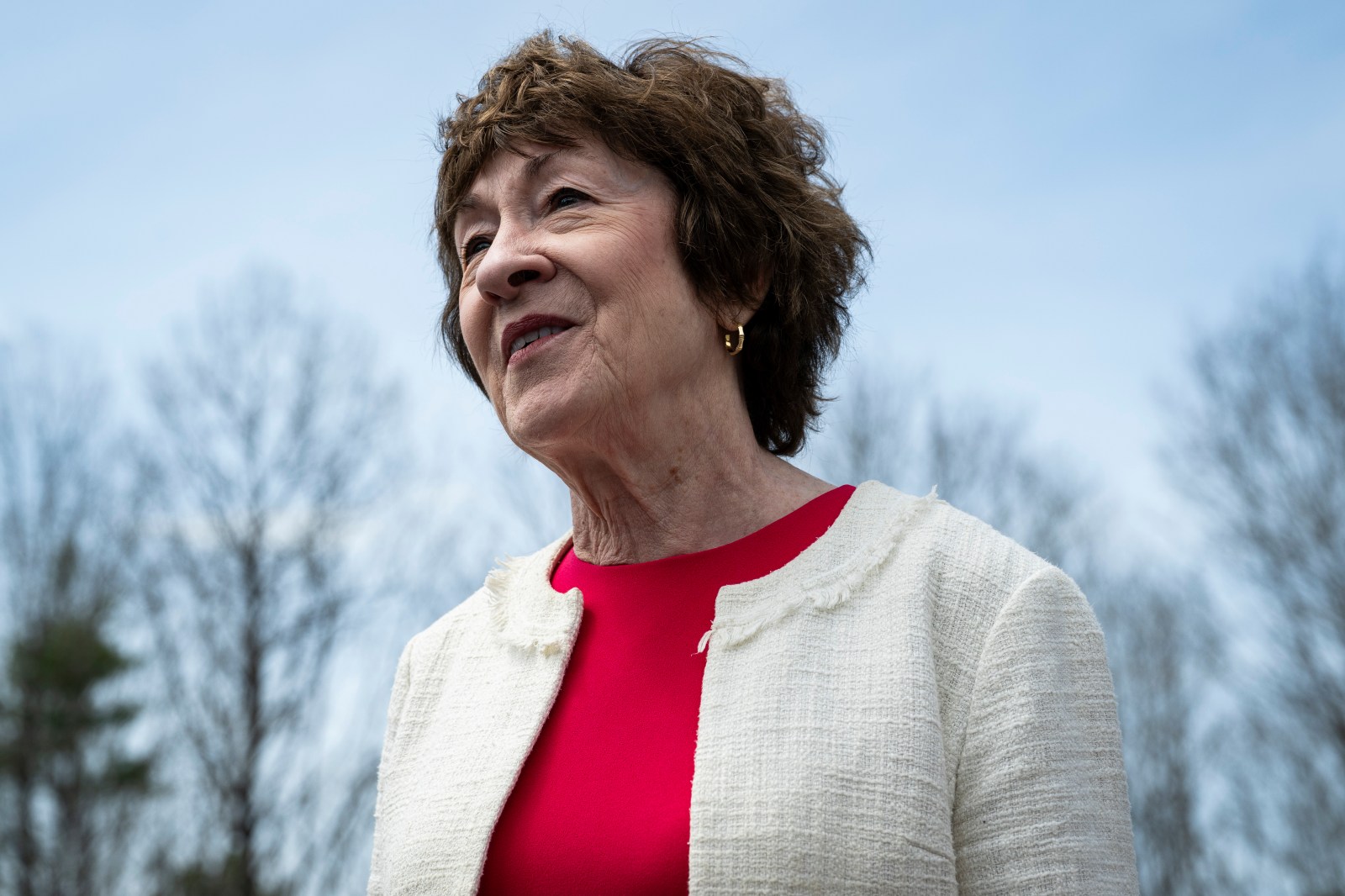
Republican U.S. Senator Susan Collins from Maine encountered criticism and demonstrations from Democrats on Monday. This came after a deadly shooting involving U.S. Immigration and Customs Enforcement (ICE) in Biddeford, Maine. State House Speaker Ryan Fecteau initially reported on Facebook that the incident resulted in one death and mentioned ICE’s involvement. The Maine State Police and Department of Public Safety are currently investigating. This marks the second fatal shooting tied to ICE in less than a week.
Impact on Maine’s Senate Race
The recent incident could significantly impact Maine’s Senate race, already competitive due to the state’s Democratic tendency. Collins, who has represented Maine for decades, is in a challenging race. Her past victories have been attributed to her bipartisan appeal and popularity. However, Democrats believe declining national approval ratings for President Donald Trump weaken her position. This shooting has intensified the immigration debate in the state as the November election approaches.
The race faced additional turmoil when sexual assault allegations emerged against Democratic candidate Graham Platner. He denied these allegations and withdrew from the race, leaving Democrats with limited time to nominate a replacement to oppose Collins. Many Democratic candidates have criticized Collins following the shooting. Newsweek attempted to contact Collins’ team for a response.
Collins Responds and Faces Criticism
Senator Collins called for a thorough investigation of the Biddeford shooting in a statement on X (formerly Twitter). She noted that Biddeford police secured the scene and the FBI is investigating. Democratic candidates seeking to challenge her have scrutinized her response. Nirav Shah, a former Maine CDC director aiming for the nomination, criticized her support for allocating $70 billion to ICE. Jordan Wood, another candidate, echoed the sentiment, calling for a new agency to replace ICE.
Protests erupted outside Collins’ office in Biddeford, where demonstrators held signs urging for the abolition of ICE. According to The Portland Press Herald, some protesters even entered the building’s entryway. Collins previously expressed concerns about ICE operations in Maine, emphasizing that legally residing immigrants should not be targeted by ICE investigations. She also stated those engaging in criminal activities could face legal repercussions under U.S. law.
Details on the Biddeford Shooting
Biddeford, located about 15 miles south of Portland, was shaken by the shooting. Authorities have yet to release additional details, including the identity of the deceased and ICE’s specific involvement. The Maine Immigrants’ Rights Coalition reported that a 26-year-old Colombian man died, sparking outrage and calls for accountability. FBI agents were present at the scene but withheld further information.
The incident mirrors past fatal shootings by federal immigration officials, fueling indignation over the administration’s immigration enforcement strategies. Earlier this year, similar incidents in Minneapolis resulted in public outcry.
Outlook on Maine’s Senate Race
The Maine Senate race is considered a close competition, labeled a toss-up by political analysts. The Platner scandal and the recent ICE-linked shooting contribute to the race’s uncertainty. The Democratic party plans a statewide convention on July 25 to choose a new candidate. According to recent polling, 40% of Maine Democrats prefer former Senate President Troy Jackson as the nominee. Others express support for Shah and Secretary of State Shenna Bellows. However, the selection process will ultimately involve 601 delegates across Maine’s 16 counties.
Senator Collins’ reelection prospects have diminished in prediction markets, with her chances dropping to 34% on Kalshi and 36% on Polymarket. Previously, her chances were higher, reaching nearly 47% on July 6. Prediction markets reflect trader sentiments based on factors like polling, candidate developments, and political trends, though they do not guarantee future outcomes.