
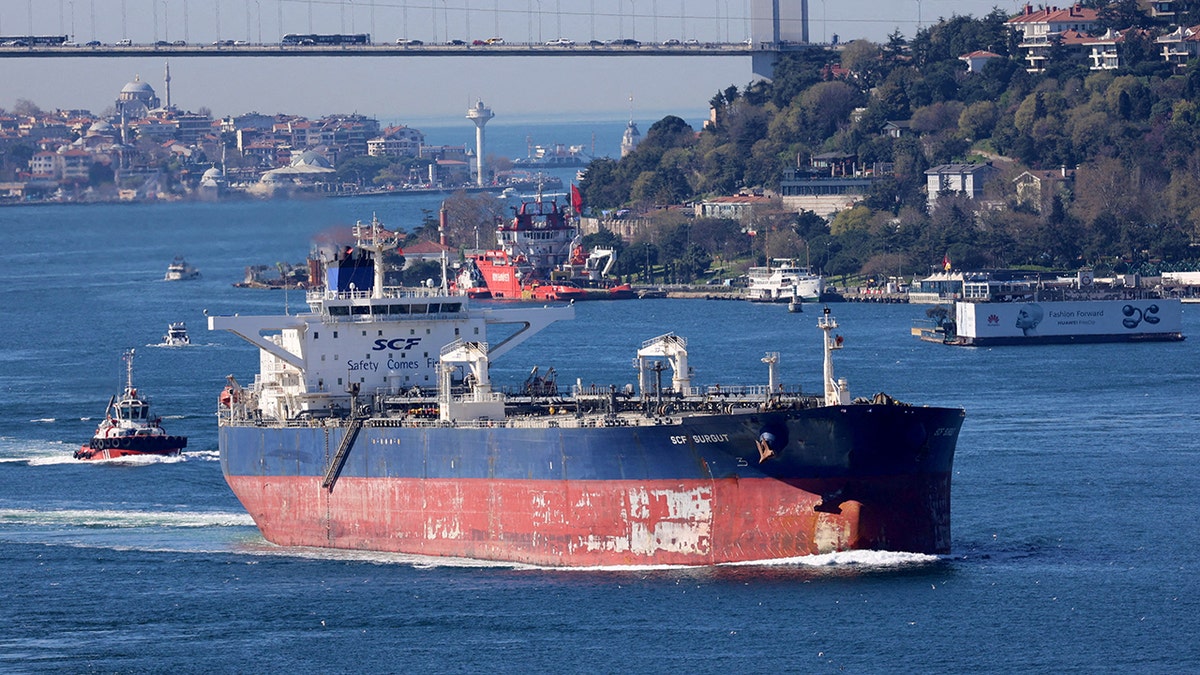
Despite efforts to reduce reliance on Russian energy, European Union (EU) countries still heavily depend on Russian liquefied natural gas (LNG). This reliance is evident even as NATO allies increase defense spending, support Ukraine, and impose sanctions on Russia.
A commercial shipping data analysis shows that in the first half of 2026, EU countries spent billions purchasing Arctic LNG. Environmental watchdog Urgewald reveals that 136 of the 140 cargoes exported from Russia’s Yamal LNG project from January to June reached EU ports. In contrast, China received only four shipments during this period. These deliveries were valued at approximately €5.96 billion or $6.8 billion, based on European gas prices.
French ports received 51 cargoes, Belgium received 37, and Spain 34. The data reflects port deliveries, not buyer nationalities or final destinations. This highlights a significant contradiction for Europe. Despite promises to end Russian fossil fuel dependence, payments to Russia continue, emphasizing the challenge of transitioning from Russian energy while maintaining European energy stability.
The EU has introduced legislation to phase out Russian gas imports. A ban on Russian LNG from long-term contracts will start on January 1, 2027, followed by a ban on Russian pipeline gas on September 30, 2027. Although pipeline imports have decreased since 2022, Russian LNG remains a major supply source.
Former President Donald Trump criticized Europe’s ongoing dependence on Russian energy. He noted that Europe spends more on Russian oil and gas than on defending Ukraine. European Commission spokesperson Anna-Kaisa Itkonen explained the trend as “frontloaded deliveries and contractual adjustments” before restrictions tighten further.
The EU’s energy policy aims to enhance supply security and reduce Russian revenue at a time when the Kremlin continues to wage war in Ukraine. European Commission accusations against Russia of using energy as a geopolitical tool intensified after Moscow withdrew gas supplies from countries like Poland, Germany, and Finland following the 2022 invasion of Ukraine.
To address market disruptions, EU countries increased alternative LNG supplies. Restrictions on Russian LNG transshipment might have led to more EU cargo deliveries. The United States remains a major supplier, with Europe importing increasing amounts of US LNG.
Belgium asserts its commitment to phasing out Russian gas imports. Spain, while an important LNG importer, remains focused on reducing that importation by 2027. Recent statements from Spain’s energy minister align with plans to eliminate Russian imports despite warnings about dependency on US gas.
In June, EU foreign ministers approved additional sanctions targeting Russia’s military-industrial sector and energy revenues while addressing shadow fleet operations. Attempts to balance the strategic and economic complexities of unwinding Russian energy dependency continue to impact legislation and international relations. Upcoming US legislation proposes secondary sanctions for countries sourcing Russian energy, aiming to apply pressure on Moscow through economic measures.