
Consequences of a Hastily Assembled Deal
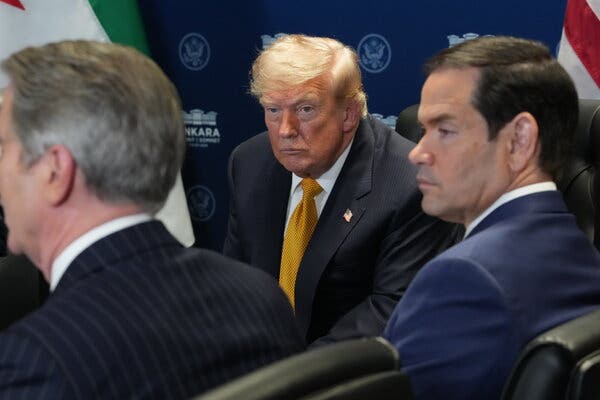
The recent cease-fire agreement with Iran, hastily constructed, is already showing cracks. President Trump, speaking at the NATO summit in Ankara, Turkey, declared this cease-fire “over” shortly after it was announced. The memorandum of understanding, only 14 paragraphs long, avoided addressing major issues, raising questions if this deal could genuinely bring peace.
Economic Benefits vs Revolutionary Ideology
President Trump appears to have underestimated Iran’s commitment to its guiding revolutionary ideology. His perspective, shaped by his experience in real estate, assumed Iran would prioritize economic incentives. This miscalculation has led to ongoing disputes over critical matters like Iran’s nuclear and missile programs, its support for terrorist groups, and its domestic repression.
Possible Military Action and Threats
Following exchanges of strikes at the summit, President Trump threatened further military actions, including seizing an Iranian oil processing island and attacking infrastructure. Experts warn such actions could be considered war crimes, especially targeting desalination plants. Although Trump expressed hesitance in targeting desalination facilities, his history of making threats without actual follow-through is notable.
Political and Economic Considerations
The potential for returning to full-scale war has little support domestically and concerns some Republicans, especially with midterm elections looming. Iran’s leaders are keenly aware of this timing and past events when Trump faced similar choices. Re-imposing an American blockade on Iranian ports is another option Trump might consider. Despite his view in April that such measures could lead to Iran’s economic collapse, prior attempts did not achieve this outcome.