
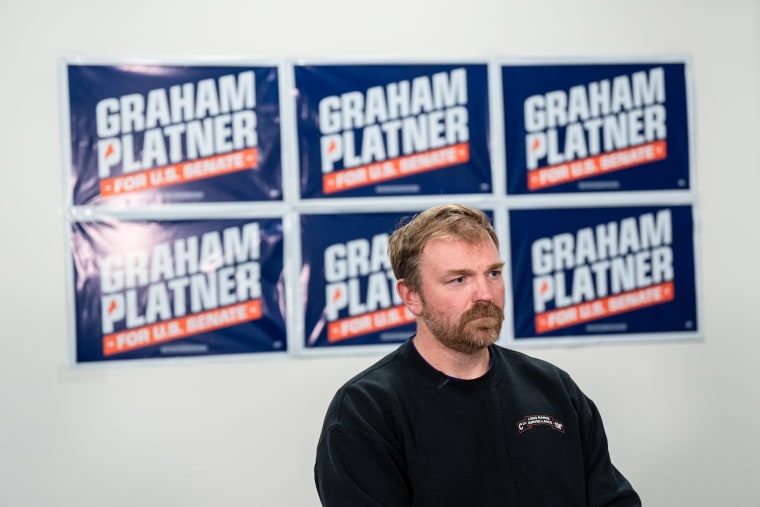
Graham Platner announced Wednesday the suspension of his Senate campaign, ending days of turmoil within the Democratic Party. This leaves the party without a candidate for the vital Maine race this fall.
The announcement followed accusations from a former girlfriend claiming sexual assault in 2021. These allegations resulted in a rapid decline of support, including rescinded endorsements from key Democratic allies who urged Platner to withdraw.
Platner, addressing the public via a video message on X, refuted the allegations as “false” but acknowledged the pressure they have imposed on him. He noted a looming deadline requiring him to decide on his candidacy by Monday. Platner admitted that continuing his run would hinder fundraising, voter data access, and campaign operations.
“What comes next needs to come from the people, needs to come from the people of Maine,” Platner declared. “It needs to be open, transparent and democratic. It needs to be reflecting the will and the values of the people that built this movement.”
Platner emphasized that the campaign’s suspension is not solely due to the allegations but due to operational barriers imposed by influential parties.
The Maine Democratic Party faces a deadline of July 27 to replace Platner on the ballot. The party announced plans to conduct a nominating convention, promising transparency in the process to choose a candidate against Republican Sen. Susan Collins, who is pursuing a sixth term.
The suspension follows warnings from Senate Minority Leader Chuck Schumer, D-N.Y., and the Democratic campaign organization indicating the national party would not support the Maine Senate race if Platner remained a candidate.
Numerous Democratic figures responded swiftly to the allegations. Sen. Elizabeth Warren, who campaigned for Platner, stated that sexual assault cannot be tolerated. Rep. Ro Khanna deemed the allegations “serious and credible,” condemning violence against women. Sen. Ruben Gallego described the accusations as “troubling,” and Sen. Bernie Sanders advised Platner to step down.
Maine Democrats must rapidly find a candidate to challenge Collins, initially elected in 1996. This race represents a critical chance for Democrats needing a net gain of four Senate seats for majority control.
Platner’s populist rhetoric previously secured notable progressive endorsements, such as Warren, Khanna, and Sanders, despite multiple controversies earlier in his campaign.
The recent story revealed the allegations from Jenny Racicot, who accused Platner of nonconsensual behavior, which he firmly denied. Platner hinted at reconsidering his candidacy, stating a reflection on the best course forward for Maine and defeating Susan Collins.
Platner’s past controversies include a tattoo associated with Nazi imagery, controversial online posts, and allegations from ex-girlfriends. Despite previous defenders accepting his explanations, the sexual assault allegations proved a breaking point.
In his video message, Platner urged supporters to continue advocating for the campaign’s values and policies. “We’re going to win someday,” he concluded.