
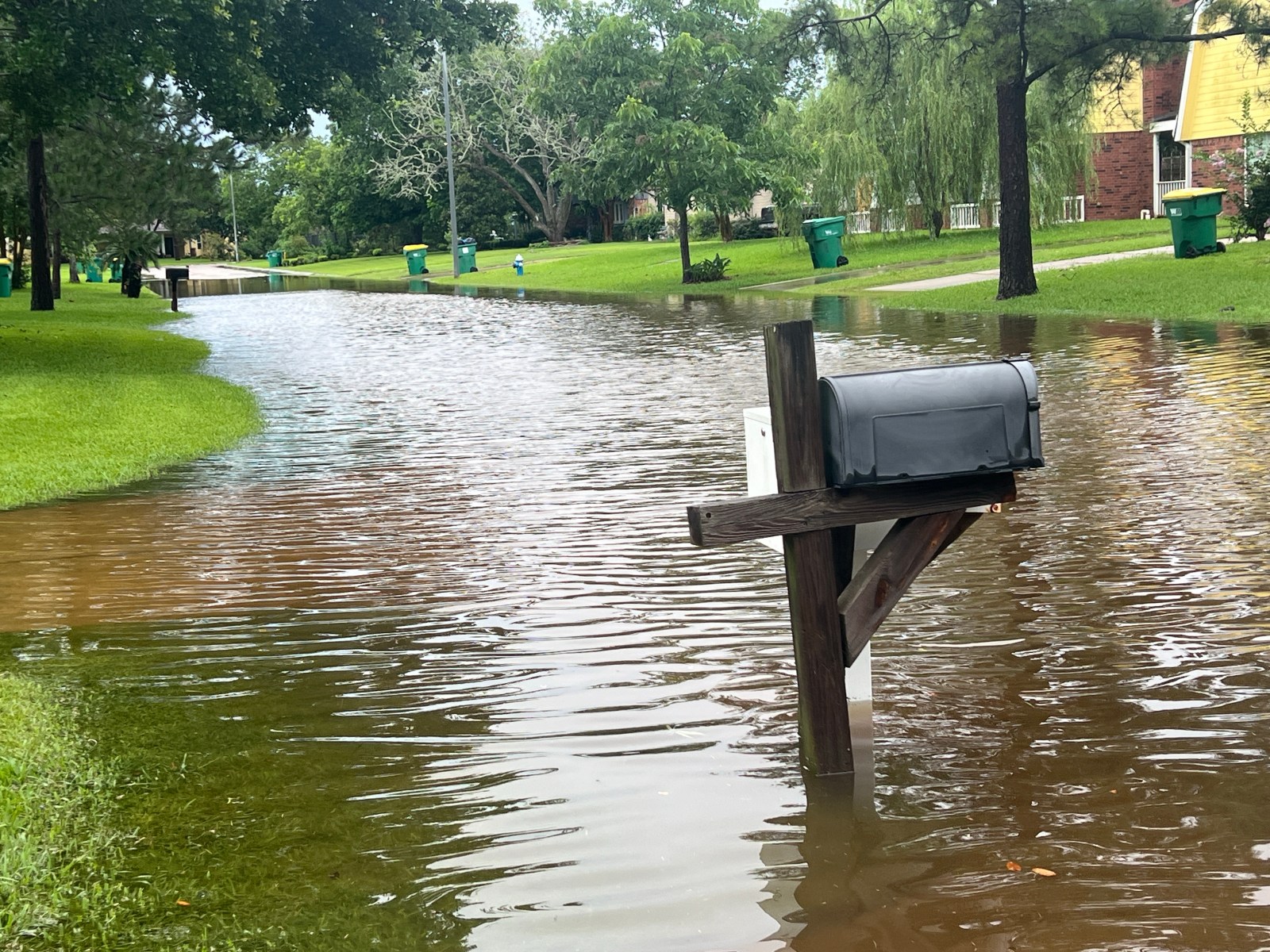
An extraordinary amount of rainfall occurred on Kelleys Island, Ohio, as the weather unleashed up to 16 inches of rain over roughly 12 hours, marking an unofficial all-time record for the Lake Erie island. This storm highlighted a growing climate threat across the Midwest and Northeast parts of the U.S., according to meteorologists.
Between late Sunday and Monday morning, local weather reports and emergency officials noted significant flooding that inundated roads, homes, and businesses on the island. The National Weather Service (NWS) issued several flash flood warnings as water levels rose rapidly, leaving many residents dealing with flooded basements and submerged roads.
Kelleys Island, known as a popular vacation destination in Erie County, typically receives approximately 4.1 inches of rain in July. However, the recent rainfall added up to nearly four times that monthly average in hours. Brian Mitchell from the NWS mentioned that the previous all-time rainfall record in Ohio was 10.75 inches, set back in August 1995.
WTOL chief meteorologist Chris Vickers reported rainfall eclipsing previous records with over 17 inches measured on the island, causing widespread flooding. Authorities advised residents to avoid flooded areas and conserve water due to the overwhelmed infrastructure. This rainfall also exceeded the NWS parameters for a 1-in-1,000-year event, which requires 8.41 inches of rain in 24 hours.
On social media, videos showed excessive waters rushing across roads and streaming downhill in waterfall-like flows, with residents documenting flooded areas. These observations emphasize increasing concerns about extreme rainfall becoming more frequent in the U.S., particularly in the Midwest and Northeast.
“There was a remarkable record shattered today near Sandusky, Ohio. 17” of rain in one day! The old state record is 10.75,” posted Jeff Berardelli, chief meteorologist of WFLA-TV.
A “1-in-1,000-year” precipitation event refers to the unlikely chance of such rainfall occurring in any given year, calculated at a 0.1 percent probability based on historical analysis. These events can manifest repeatedly within close intervals, illustrating how odds change in a warming climate.
Research shows that for every 1 degree Celsius (1.8 degrees Fahrenheit) of warming, the atmosphere retains roughly 7 percent more moisture, fueling storms to produce intensifying rainfall.
National reports indicate a broader trend of heavy precipitation events increasing significantly over the past century, particularly in the Midwest and Northeast. While climate change modifies conditions conducive to greater rainfall totals, it does not directly cause individual storms.
El Niño, a weather pattern of warm equatorial Pacific waters, also influences broader precipitation trends but is generally linked to seasonal impacts rather than specific weather events like the Kelleys Island flooding.
After the floodwaters subside, assessments of the damage will commence, addressing repairs needed for roads, homes, businesses, and public infrastructure. Emergency management teams will review if further local, state, or federal assistance is required during this aftermath.
The NWS Cleveland office reports no additional weather watches or warnings currently affecting the region.