
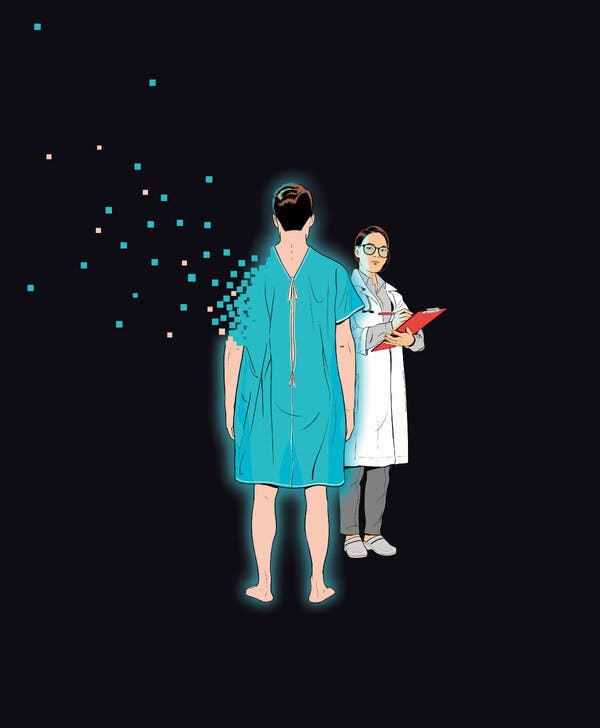
Medical students begin their journey by learning to write clinical notes. This task starts before they complete courses in anatomy and physiology. They visit patients with teaching doctors and return with written records. These notes include patient observations, diagnoses, and treatment plans. Writing these notes is a crucial skill that helps students transition into their roles as doctors.
As medical students advance to residency and become attending physicians, time becomes scarce. Writing notes transforms from a vital exercise to a burdensome task. This shift makes many doctors question its importance. They believe more patient interaction and analysis could improve care.
With AI assistants, the process of writing clinical notes has changed. At one hospital, these AI tools listen during patient meetings. They generate detailed notes, allowing doctors more time for patient interaction. This technology appealed to many like Dr. Helen Ouyang, who saw it as a way to enhance patient care. She could focus less on typing and more on bedside care.
AI scribes promise multiple benefits to the medical field. Since 2019, start-ups focusing on AI scribes have raised nearly $5 billion. These companies aim to reduce clinician burnout and enhance efficiency. In a recent study, 43 nonprofit health systems in the U.S. reported developing or using AI scribes. Adoption has reached 80% in some areas.
Adam Rodman, from Harvard Medical School, discussed AI in medicine. He noted its rapid adoption as a significant achievement. AI not only aids in diagnosing diseases and predicting risks, but also excels at generating clinical notes. It listens to doctor-patient interactions, synthesizes information, and creates structured records.
This AI capability extends beyond simple transcription. It analyzes conversations and generates documents with clinical accuracy. This process helps maintain the focus on patient care while still documenting essential information.