
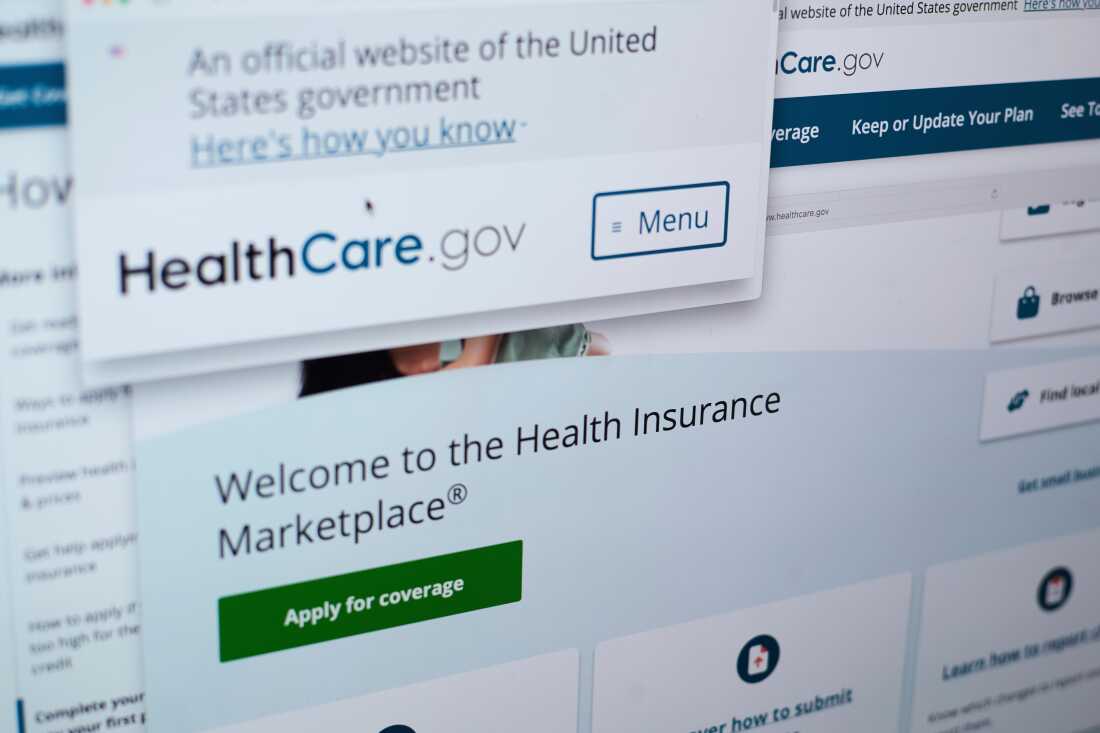
The federal government has released data indicating that ACA insurance enrollment is expected to reach 19.2 million people by 2026. This comes after a notable decrease in enrollment numbers compared to previous figures.
Healthcare.gov, the marketplace utilized by 29 states, faces challenges with affordability as indicated by recent numbers. Sources reveal that five million fewer individuals are currently enrolled in ACA marketplace plans than the prior year’s record high.
In the latest enrollment period, over 1 million fewer individuals selected ACA plans for 2026. Additionally, 4 million enrollees subsequently lost coverage either due to unenrollment or failure to pay premiums. The market has seen a dramatic increase in prices following the lapse in enhanced financial support, previously provided under the Trump administration and Republican Congress.
The Department of Health and Human Services published the report containing these statistics. At its peak, ACA had 24.2 million participants in 2025, as stated in government records. Experts foresaw this decline due to rising premium costs, prompting many to forgo coverage they could no longer afford.
The main takeaway is that enrollment is down 13% from last year,” explains Cynthia Cox, director of KFF’s Program on the ACA. “While the Trump administration attributes this drop in enrollment to their attempts to address fraud, this coverage loss happened at the same time millions of people faced double or even triple-digit increases in their premium payments with the expiration of enhanced tax credits.”
The hypothesis of enrollment growth due to fraudulent activity, proposed by the Paragon Health Institute, is met with skepticism by many health experts. They attribute enrollment spikes during the pandemic to federal efforts aimed at making healthcare more affordable through enhanced premium tax credits.
Cox explains that during the enhanced subsidies phase, marketplace participation doubled since coverage became financially appealing. With premium costs now having doubled on average from 2025 to 2026 due to the expiration of these tax credits, enrollment dropped.
The Democrats unsuccessfully attempted to extend these tax credits, resulting in a government shutdown in October 2025. “When their costs went up, many dropped their coverage,” Cox explains, acknowledging fraud as a minor factor in enrollment loss.
Stacey Pogue from Georgetown Center on Health Insurance Reforms concurs with the observation, citing consumer decisions based on affordability challenges in a high-inflation environment. Further, insurance companies, including Cigna, have announced plans to exit ACA markets, exacerbating the situation.
Cox notes, “If there are fewer customers, then that makes the market less appealing to insurance companies.” A notable concern is the departure of healthier individuals from ACA plans, risking a “death spiral.” Despite these concerns, Cox expresses confidence that the markets will continue functioning, avoiding a total collapse due to sufficient buyer participation.
Nonetheless, the trajectory of premium increases suggests further consumer struggles. Georgetown’s analysis indicates anticipated rate hikes for 2027, potentially reducing marketplace enrollment further.