
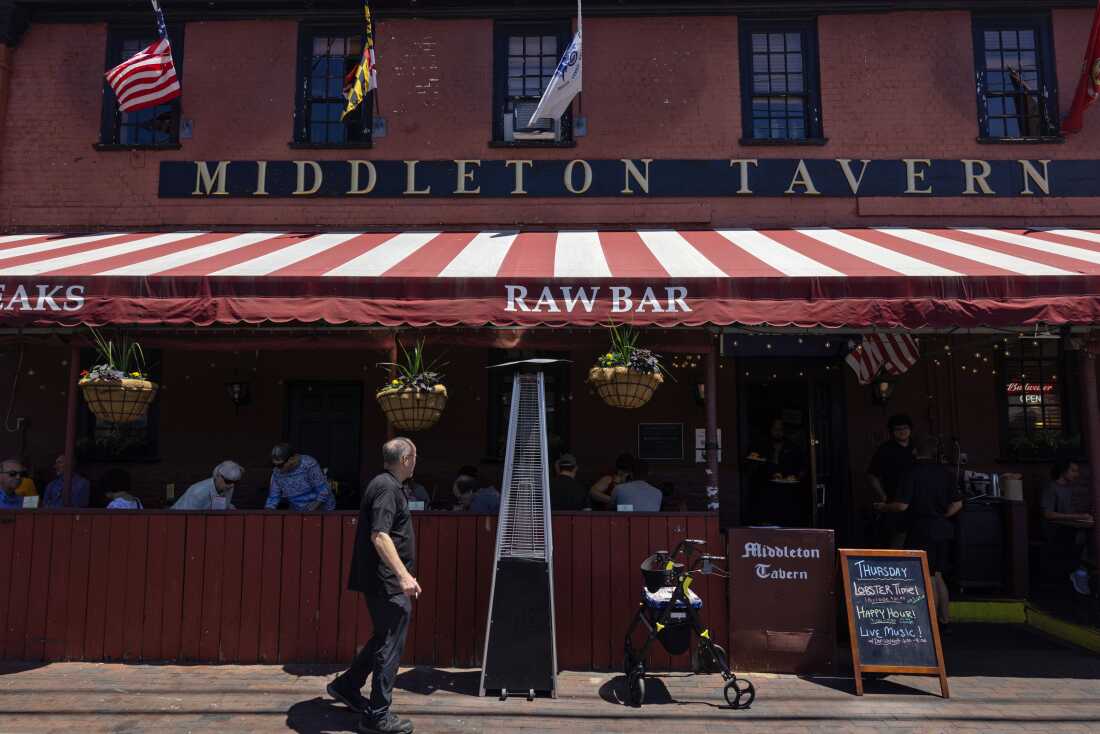
Established in 1750, Middleton Tavern in Annapolis, Maryland, holds the distinction of being one of the oldest continuously operating taverns in the United States. The tavern, rich in history, serves as a window into the culinary past of early America.
Arthur Gross has served as the chef at Middleton Tavern for half a century. His tenure at this historic establishment brings him a unique perspective on its storied past and the evolving palate of its patrons.
In the mid-18th century, seafood played a significant role in the diets of Maryland’s early colonists. Rockfish and crab were staples, as Gross notes, reflecting their prominence in his current food orders. Today, similar essentials are procured: 100 pounds of rockfish, 6 pounds of crab claw meat, along with calamari, crackers, and lemon juice.
During these historical celebrations, Annapolis brims with colonial reenactors. In short gowns, petticoats, caps, and leather-buckle shoes, they guide tourists through streets where you can almost feel the spirit of 1776.
“In 1776, signs of wealth in colonial America weren’t displayed with cars or real estate, but through the food they consumed,” said Dana Connett, community programs coordinator at Historic Annapolis.
Social class significantly influenced dietary habits. The revolutionary era witnessed a desire among colonists to emulate England’s upper-class dining customs. Recipes from France and England were cherished by the Founding Fathers, who also imported certain foods from Europe.
William Paca’s Perspective
William Paca, a signer of the Declaration of Independence and governor of Maryland, provides insight into upper-class dining through the displays at the William Paca House & Garden. Paca and his peers dined on extravagant meals with food imported from Europe—a testament to their status.
The representation of a spring meal at the Paca House features dishes like turkey soup, collards, ham, oysters, roast chicken, and fried shad. Joyce White, a local food historian, notes that beef was a status symbol, while chicken was reserved for special occasions.
Food was served on small plates unlike today’s large portions, as explained by Adrian Miller, author of The President’s Kitchen Cabinet. Oysters, terrapin, and plentiful seafood were central to colonial diets, particularly on Maryland’s coasts.
Founding Fathers Influence
Founding Fathers like Thomas Jefferson and George Washington were trendsetters in colonial cuisine. Historical records reveal Jefferson’s fascination with macaroni and cheese, a dish linked to the African American chef James Hemings, whom Jefferson trained in French cuisine.
The Washingtons hosted lavish dinner parties with impressive roasts, mindful of avoiding ostentatious displays. Lohman highlights how food played a role in diplomatic gatherings, including the notable Dinner Table Bargain organized by Jefferson in 1790.
Wealthy hosts delighted guests with whimsical food sculptures and creative presentations, such as gelatin molded into playing cards. White explains they sought to impress guests in ways uncommon today.
Role of Enslaved People
Significantly, the culinary achievements of the era were largely due to the labor of enslaved people. Jefferson’s Monticello estate inventory shows the utensils managed by Hemings, an enslaved chef who influenced dishes like macaroni and cheese. Similarly, Hercules Posey cooked for Washington.
Connett points to the austere meals prepared by enslaved cooks at the Paca House as insufficient for survival, emphasizing the exhaustive work and harsh conditions they endured.
The enslaved population contributed immensely to American cuisine today. Miller notes the allowance for African cooks to improvise gave rise to lasting influences reflected in ingredients like red pepper and okra.
Understanding the Tavern Culture
Taverns were vital social and political centers for the working class. They offered lodging and refreshments to weary travelers. For the less fortunate, taverns presented a mix of food options, from modest dishes to luxurious fare, reflecting both ends of the culinary spectrum.
Miller remarks on the stark contrast in tavern offerings, noting the difference between upscale hotel restaurants versus economical establishments like McDonald’s today.
Alcohol consumption was widespread due to the lack of purified water, leading colonists to favor small beer or weak wine. Alcoholic beverages were consumed in staggering amounts.
A Changing Palate
Miller observes that America’s palate has evolved from predominantly European influences to a more international array. Today, American food is a fusion representing global flavors, a distinct shift from 1776.
Rumors persist at Middleton Tavern that the Founding Fathers once dined on oysters at its bar. Despite the rumors, Gross remains focused on present-day challenges. Reflecting on his long tenure, he hopes to maintain the tavern’s historical culinary legacy.