
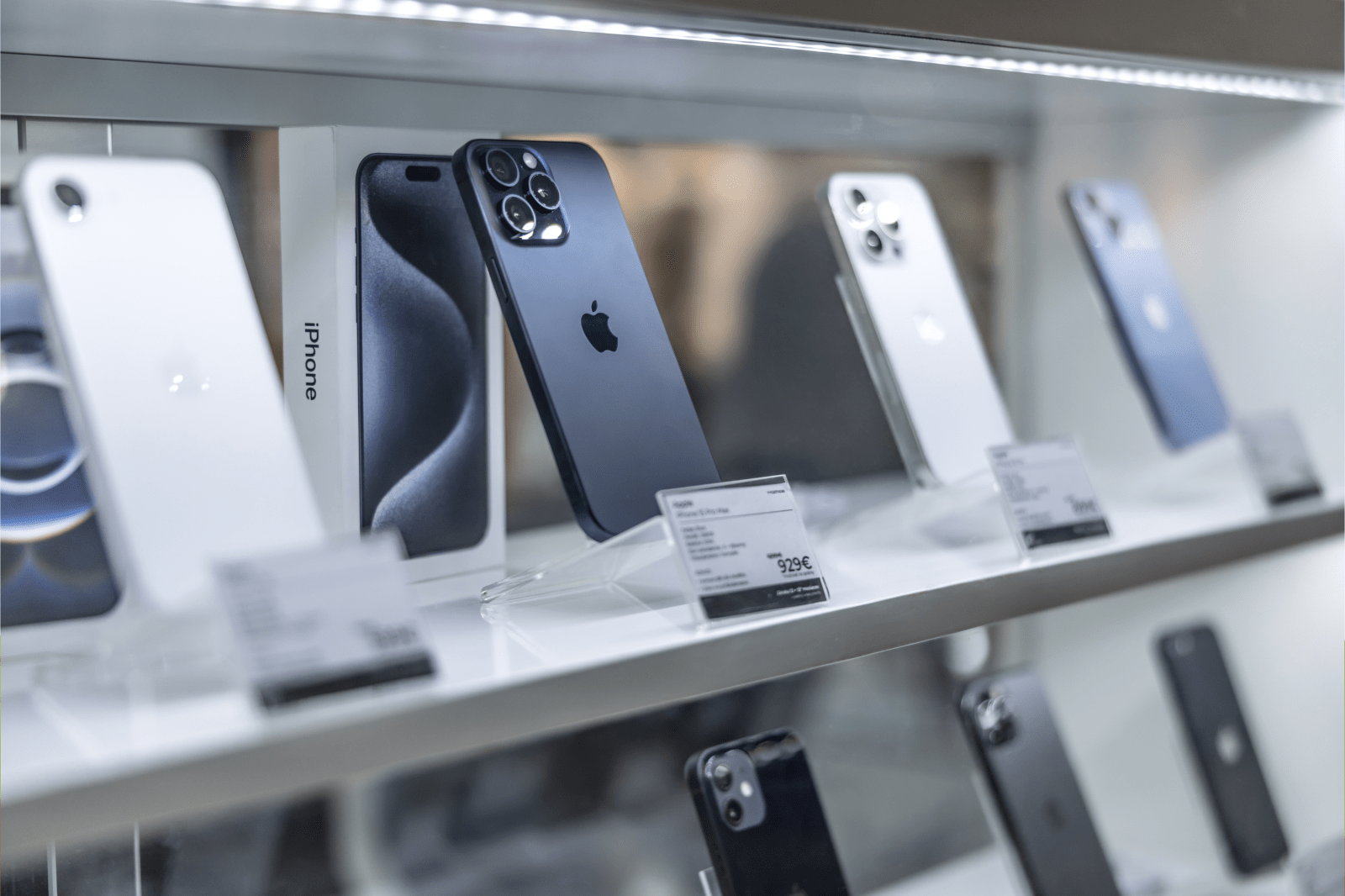
Impact of Rising Memory Costs on Smartphone Prices
The global demand for AI technology is driving up memory costs, which could lead to higher smartphone prices. Apple, a major player in the industry, has announced upcoming price increases due to the unavoidable rise in costs for memory and storage chips. CEO Tim Cook, in a Wall Street Journal interview, highlighted the challenges the company faces in trying to absorb these costs without impacting consumers. However, the situation has become unsustainable due to suppliers imposing steep price hikes.
Industry-Wide Price Pressure
This price pressure is not limited to Apple. Nabila Popal from IDC stated that the entire smartphone industry is revising forecasts due to the increased memory costs. She predicts a 20% rise in global smartphone average selling prices, a significant jump from the earlier forecast of 14% in February. Popal believes no vendor will easily navigate through this challenge, with Android brands focusing on lower-end devices possibly facing up to 40% price increases. Premium brands like Samsung and Apple might see around a 10% rise.
Yang Wang from Counterpoint Research described the memory shortage as a severe disruption for the smartphone industry. He forecasts that memory costs will remain high at least until 2027 as the industry’s capacity shifts toward AI-related products. While premium brands can better manage price increases, lower-cost devices might experience more significant hikes due to the proportionally larger impact of memory costs.
Potential Smartphone Price Changes
Apple has yet to disclose specific pricing strategies or timelines. Nonetheless, analysts predict uneven price increases across various smartphone tiers. Entry-level devices may bear the brunt of the rising component costs. Counterpoint Research noted that bill-of-materials costs for low-end smartphones have risen by approximately 20-30%, compared to 10-15% for mid-range and premium devices. Originally, smartphone prices were estimated to grow 3-8% in February in response to increasing costs.
A possible outlook based on component cost increases includes:
- Premium models from brands like Apple, Samsung, and Google could rise by 5-10%
- Mid-range Android smartphones may see a 10-20% increase
- Entry-level Android phones could experience price spikes as high as 40%
However, analysts advise against assuming specific price forecasts for individual smartphone models, as outcomes could vary significantly by product tier and region.
Implications for Consumers
Consumers may experience widespread effects from these price hikes. While flagship models might only see moderate increases, a 6-10% rise on high-end smartphones could add $70-150 to upgrade costs. In contrast, lower-priced models, with limited margins, could become notably less affordable due to possible 20% or greater increases.
Rising memory demands, fueled by AI features and robust applications, make it difficult for manufacturers to downgrade specifications to alleviate costs.