
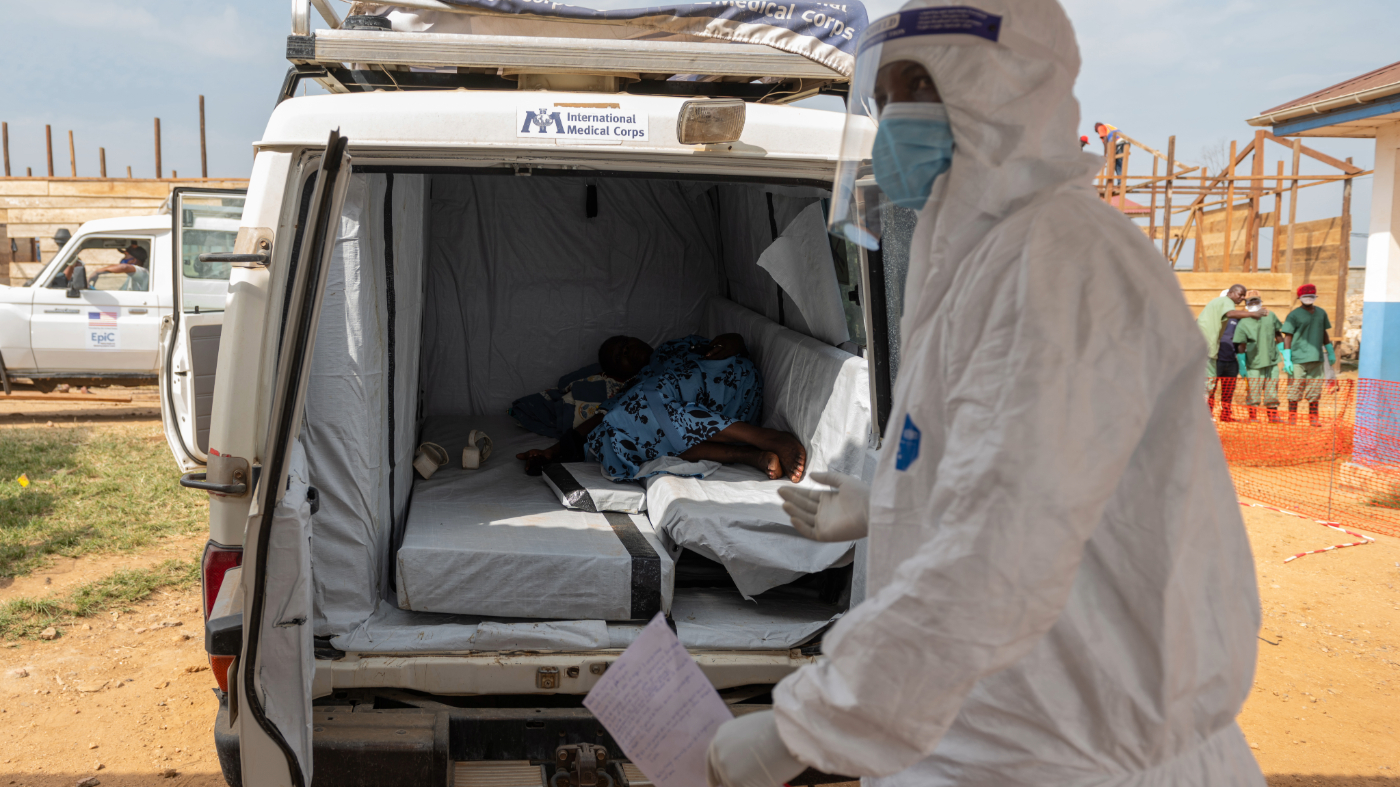
A paramedic stands by a suspected Ebola patient lying in an ambulance at a treatment center in Bunia, Congo, on June 15, 2026. Ebola, a highly lethal infectious disease, is rapidly spreading throughout the Democratic Republic of the Congo and Uganda, now threatening South Sudan. The widespread crisis demands a collective international response, yet reliance on the U.S. to lead has faded.
A decade ago, during the Ebola epidemic that claimed over 11,000 lives in Africa, the U.S. played a pivotal role in combating the outbreak. Current shifts in U.S. global health policy signal a reduced commitment. The Trump administration’s decisions to reduce resources and personnel within U.S. public health agencies have weakened the nation’s ability to address such emergencies effectively.
The withdrawal from the World Health Organization further complicates efforts, diminishing the U.S.’s capacity to gather and share critical information with global partners. These changes have not only compromised safety in America but have had a global impact. Once a leader in infectious disease management, the U.S. now lags in addressing this current Ebola threat, which holds potential devastation similar to the 2014 crisis.
The response to the current Ebola crisis reveals a lack of clarity and leadership within the U.S. government. Questions remain about who is directing America’s efforts, how the allocated millions in aid are being spent, and which office is responsible for logistics. The dismantling of the U.S. Agency for International Development adds to this uncertainty. Communication with the public on these issues is also poorly managed.
Even with adequately experienced officials, such disorganization might exist. However, the frequent changes in leadership at the Centers for Disease Control and Prevention, following President Trump’s firing of the former head, have compounded distrust among the American public.
Viruses do not respect borders; their spread is exacerbated when health agency budgets are cut, experts sidelined, data flow suspended, and international partnerships are undermined. The outbreak risk could escalate if infections spread to overcrowded refugee camps in Sudan.
The Trump administration’s stance on disease prevention also appears contradictory. Officials who resisted mitigation efforts during the COVID-19 pandemic now advocate strict quarantine measures for Ebola. Policies preventing American citizens exposed abroad from returning for treatment contradict statements about protecting Americans. U.S. facilities, renowned for their infection control expertise, remain underused while citizens might receive care in makeshift setups abroad.
Historically, the U.S. invested in infectious disease readiness. Collaborative efforts with allied nations and respect for public health expertise were strengths, aimed at preventing and managing outbreaks. Today’s changed priorities signal a decline in that leadership. Unless Congress holds the current administration accountable for weakening global health readiness, the safety of the American public remains at risk.
Lyndon Haviland, DrPH, MPH, is a distinguished scholar at the CUNY School of Public Health and Health Policy.