
The FBI’s Innovative Training Facility
The FBI has developed a realistic training environment in Alabama. They constructed a full-scale mock town to simulate real-world scenarios for cyberattack training. This reflects the increasing concern over cyber threats, as ransomware can disrupt hospitals, fuel supplies, and public services. The goal is to equip agents with skills to handle digital and physical elements during emergencies.
Overview of the Kinetic Cyber Range
The Kinetic Cyber Range spans 22,000 square feet on the FBI campus in Huntsville, Alabama. It resembles a typical small American town, complete with homes, a hotel, gas station, grocery store, courthouse, hospital, and power company. Each building is networked with functioning systems, creating authentic environments. The facility also features a data center with over 200 servers using Windows and Linux, mimicking corporate IT settings.
Adapting Training to Real-World Needs
The FBI aims to shift cyber training from theoretical exercises to authentic conditions. Traditional methods often involved simulated data at computer workstations. However, as cyberattacks grow more disruptive, practical, real-life training is prioritized. The Kinetic Cyber Range offers this experience, including:
- Resolving ransomware incidents
- Managing corporate network breaches
- Gathering and evaluating digital evidence
- Making quick operational decisions
Trainees might face scenarios like hospital system ransomware attacks, weighing technical responses against potential impacts on patient care.
The Rise of Cybercrime
The advanced facility mirrors escalating cyber threats. FBI data shows U.S. cybercrime losses hit over $20 billion in 2025, marking a 26% increase from the prior year. Ransomware is the primary cyber threat to critical infrastructure. The frequency and intensity of attacks have driven agencies to boost immersive training efforts.
Inside the Training Experience
The cyber range replicates realistic investigation conditions. Agents may need to:
- Enter a home and identify devices to confiscate
- Execute a search warrant at a business and scrutinize networks
- Extract data from vehicles or servers
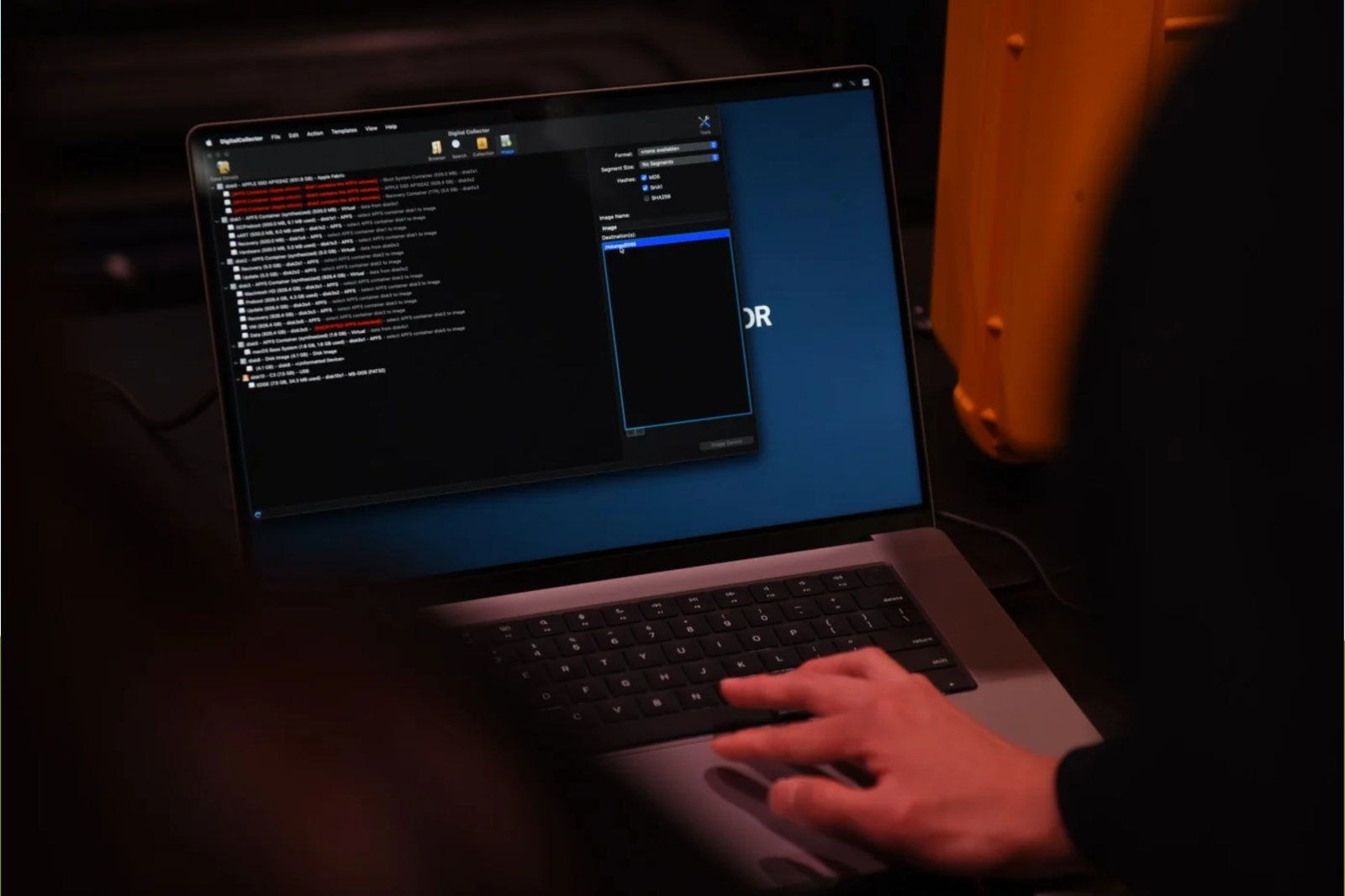
- Operate in cramped data centers resembling actual corporate settings
Dave Beachboard, the cyber range program manager, designed some environments to be challenging, noting the data center’s “cold, cramped, noisy, dark, miserable” conditions.
Support and Controversies
Since its February 2025 opening, the center has trained over 1,400 students, comprising FBI staff and law enforcement partners. The FBI argues that this evolution in training is crucial, as digital threats increasingly affect real-world scenarios. Yet, TechCrunch highlights criticisms, particularly concerning tools used to extract data from encrypted devices. These tools exploit secret vulnerabilities, raising concerns over potential misuse by hackers if discovered.
Broader Implications
The FBI’s simulated town symbolizes a shift in governmental cyber threat responses. Cyber incidents are viewed as events with the potential to disrupt essential services. By building a fully operational town within a secure environment, the FBI intends to better prepare investigators for attacks affecting both digital and physical realms.