
UConn Student From Iran Speaks Out on National Issues
Sadaf Zarei, an international student at the University of Connecticut, shares her perspective on the struggles faced by the Iranian women’s soccer team. The team captain recently withdrew her asylum request in Australia due to concerns for her family’s safety under the Iranian regime.
Zarei highlights issues such as digital blackouts and human rights abuses in Iran. She advocates for change, wishing for the end of what she refers to as a ‘criminal terrorist entity’ in power.
Challenges for Afghan Women and Girls
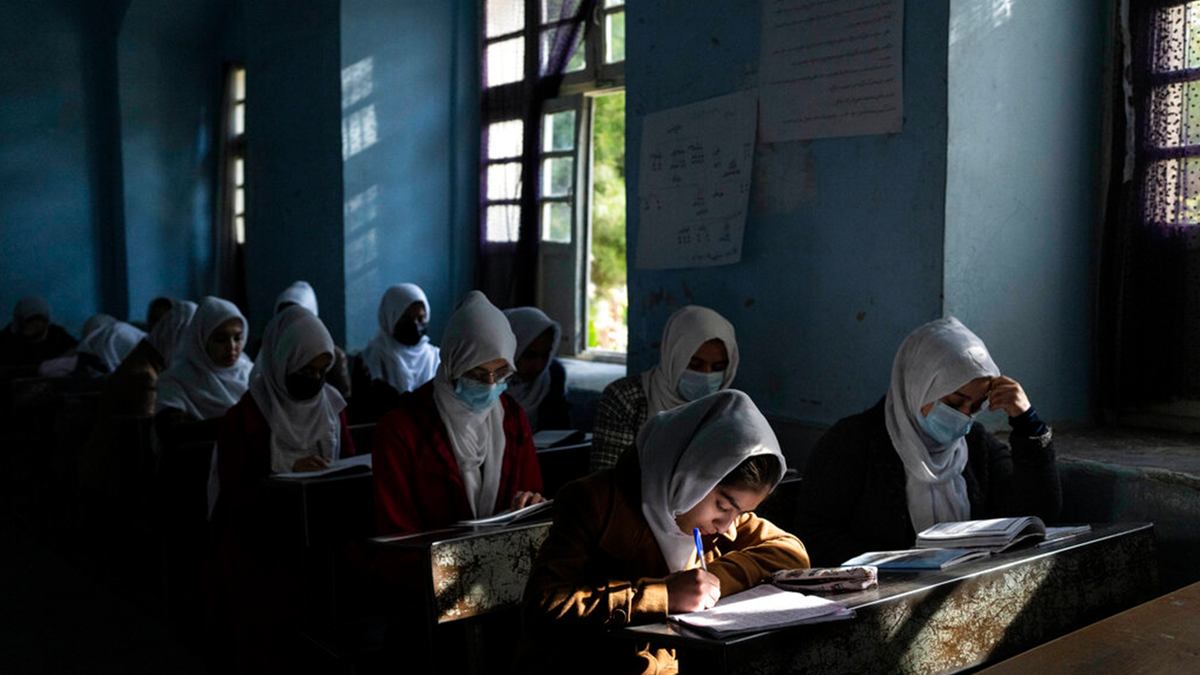
In Afghanistan, five years after the Taliban’s return to power, 2.4 million girls remain excluded from secondary education. This marks the nation’s loss of progress and denies a generation access to classrooms. Afghanistan stands alone globally in barring women and girls from education beyond primary level, as reported by UNESCO, which calls for immediate restoration of educational rights.
The United Nations raises concerns that the impact of Taliban policies goes beyond education. Women face restrictions in employment and are limited in travel without male guardians. UNESCO’s statement warns of women’s erasure from public life and predicts a grim future for females without education.
International Responses to Taliban Policies
Despite international pressure from various organizations and countries, the Taliban maintains that restrictions on girls’ education are a domestic matter. This stance has resulted in a reversal of educational gains previously made by Afghan girls.
UNESCO highlights the economic implications. Nearly half of Afghanistan’s population lives in poverty, and preventing women from working limits their economic contributions.
“Denying education to girls and restricting women’s ability to work could exacerbate Afghanistan’s economic hardships,” said UNESCO.
Furthermore, excluding girls from education affects their mental and physical health and increases the risk of early marriages. It also impacts boys, as the shortage of female teachers affects educational quality.
Community-Based Educational Initiatives
With formal education out of reach, UNESCO has focused on community-based education and skills development. Their programs have reached nearly 70,000 participants, with 73% being women. These initiatives took place in community centers and private homes, with the support of local authorities.
UNESCO acknowledges that these community efforts cannot replace formal schooling. They continue advocating for women’s rights to education and call for the cessation of bans on girls and women’s education.
“Afghanistan’s girls and women have the right to learn, work, move freely, and build their futures,” stated UNESCO. “The world must remain attentive until their human rights are reinstated.”
UNESCO reiterates the importance of education as a non-negotiable human right, urging international support to address educational restrictions.
Stepheny Price reports on various national and international crime stories, focusing on areas such as border security and missing persons.