
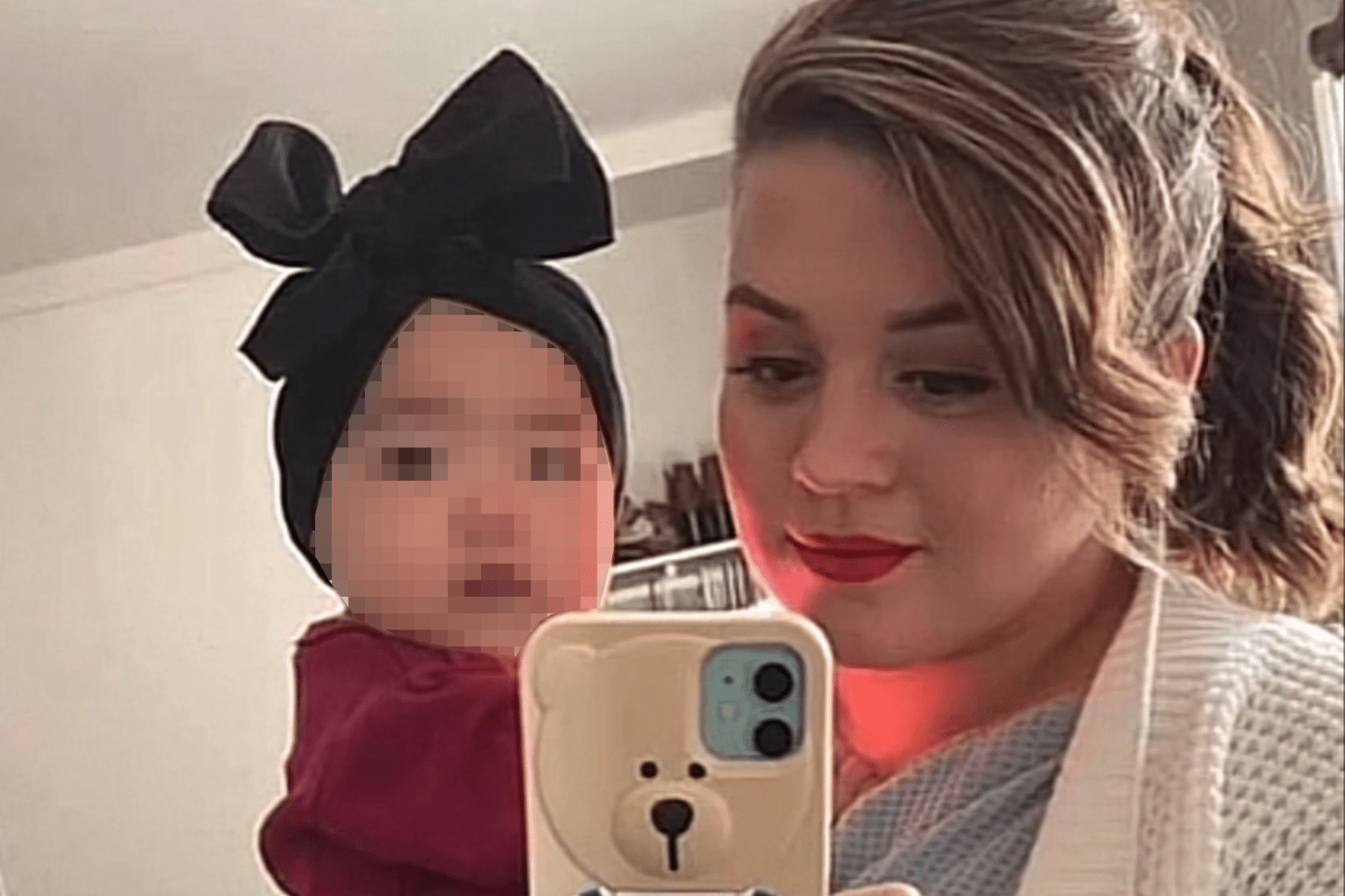
Becoming a surrogate was a decision I made after careful consideration. At the time, I was a stay-at-home mom facing financial difficulties during my first marriage. Initially, I considered egg donation, but I did not meet the eligibility requirements. Despite this, the desire to help other families never left me.
In 2015, I met my now-husband, Benjamin, and I mentioned my interest in surrogacy early on in our relationship. Understandably, he had reservations. Surrogacy involves emotional, physical, and practical challenges. Nonetheless, I felt compelled to explore this path. While balancing nursing school and a full-time job, I applied to become a surrogate. Benjamin took time to research the process, speaking with someone who had been a surrogate, which shifted his understanding and support.
After applying, I was matched with a family. My first surrogacy experience was meaningful, but it was the second journey that was truly unexpected. The intended parents, who had a child through surrogacy and were expecting another, asked if I would carry a second child for them. Their previous surrogate had experienced losses, leaving them with few remaining embryos. While pregnant with their first baby, I considered the proposal. After a smooth delivery via C-section, we agreed to move forward with the final embryo, leading to the birth of Emily.
In early 2020, the world was changing due to the pandemic. As my June due date approached, I discussed with Benjamin the potential of taking care of Emily if her parents could not travel from China. In May, official confirmation came that they could not make the trip, and we were asked to care for Emily temporarily. Faced with the option of her staying in a children’s home, I remembered my own foster care experiences. We decided to take her in, knowing she would eventually leave us to join her parents.
Caring for Emily was profound. She became part of our family routines, and I bonded with her as I had never had a baby girl. Our decision to nurse her deepened our connection. Despite the knowledge that her stay was temporary, we embraced the role of caregivers, much like fostering—a path I had always considered due to my past.
During eight months, we maintained constant communication with Emily’s parents. Our bond with her persisted, even as her father quarantined with her in a hotel upon his return to China. Through video calls, we offered comfort during challenging times.
When Emily finally went home, it was difficult. My family and I experienced a sense of loss, but we knew this was the goal we had worked toward. Emily reunited with her older brother, and our lives gradually moved forward. Months later, I became pregnant with my youngest son, which helped us heal from the void left by Emily’s departure.
Today, occasional check-ins remain, though Emily does not recognize us. This is acceptable, as surrogacy was never about becoming a permanent fixture in her life. It was about providing her parents with the opportunity to have her and caring for her when they could not. Surrogacy involves more than just financial gain; it is an emotional, complex process that demands clarity and a strong support system. It requires prioritizing the child and parents’ needs in every decision. Handing the baby to their parents signifies what surrogacy truly represents: giving a family what they could not have alone. This experience alters you permanently.
All opinions shared in this article are the author’s own.
Sherry Santana de Leon, 34, a surrogate and biological mother, works as a nurse and grew up in San Bernardino, California.