
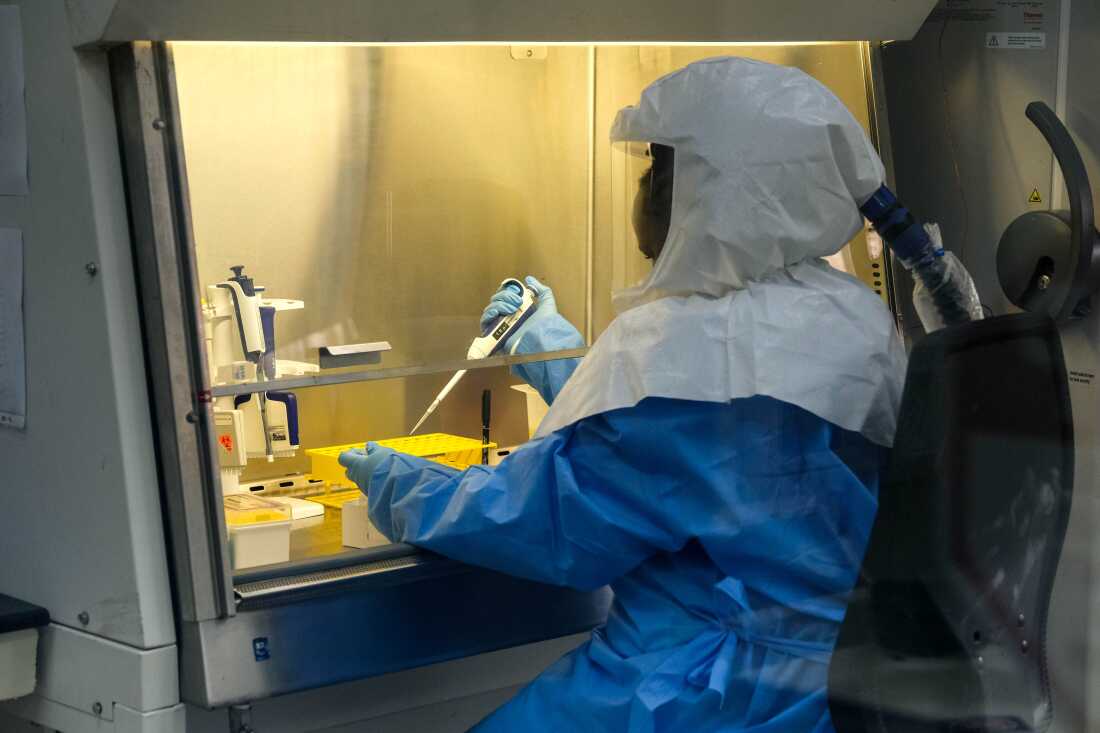
Sophia Mulei, a laboratory technologist at the Uganda Virus Research Institute in Entebbe, Uganda, is engaged in vital work using control samples. This lab serves as one of the main centers for Ebola sample testing. Concerns rose among health officials in the Democratic Republic of Congo by mid-April, as deaths in the northeastern region hinted at a potential Ebola outbreak. Initial samples were sent to Bunia for testing.
Jean-Jacques Muyembe, the general director of INRB, DRC’s national biomedical research center, noted that the first samples underwent testing on April 30. These tests utilized GeneXpert, a machine designed to automate the detection of specific viral DNA fragments. The initial results were negative, as were subsequent tests. Eventually, more specialized testing was conducted in Kinshasa, leading to positive detections of Ebola.
The GeneXpert machine, although central to DRC’s Ebola monitoring, failed to identify the rare species circulating, Muyembe explains.
This delay postponed any official alarm about the Ebola Bundibugyo outbreak until mid-May, allowing it to become one of the largest Ebola outbreaks. Suspected cases surged past 1,100, overwhelming lab capacity.
Caia Dominicus, a senior adviser for the International Pandemic Preparedness Secretariat, emphasized the importance of timely testing to isolate patients and curb virus spread. The response has since improved, with Abdirahman Mahamud from WHO stating that diagnostic capabilities have progressed significantly.
While the backlog of cases saw reduction, Mahamud warns that current testing capabilities might not suffice if the outbreak grows. The CDC projects potential cases could reach 20,000 by August, requiring enhanced response strategies.
Improving Diagnostic Capacity
The introduction of the RADI-One machine has strengthened testing capacity. It requires minimal training and can detect Bundibugyo in samples efficiently. This advancement enables deployment in smaller clinics near outbreak zones, such as Mongbwalu.
Currently, seven labs, along with one mobile lab, can process tests in northeastern DRC. Larger facilities, including Bunia, handle over 100 samples daily, a technician reports anonymously due to job security concerns.
Africa CDC is collaborating with WHO and DRC officials to deploy 50 RADI-One machines by June’s end, according to Yap Boum, an Africa CDC official. However, Dominicus warns of limited machine availability and the necessity for more units.
Alternative tests exist, but they require validation and staff training. Transportation of samples remains a major hurdle, compounded by conflict and community mistrust.
Potential of Rapid Tests
To improve current diagnostic challenges, rapid tests like those used during COVID could provide fast results using a pinprick of blood. Stanford University’s Abraar Karan highlights that quicker detection enables quicker isolation and reduces transmission risks.
Though rapid tests are less sensitive than lab-based options, they could enhance outbreak understanding and management. Muyembe advocates for their community use, including screening deceased individuals before burials to mitigate virus spread.
Currently, no rapid tests have been approved for Bundibugyo. Existing tests for common Ebola species might be applicable, but their field efficiency is uncertain. Developing a specific test for Bundibugyo could take months, says Robert Garry, a microbiologist at Tulane University.
Global health physician Ranu Dhillon suggests the development of rapid tests is crucial. As traditional diagnostic methods are validated, simultaneous evaluation could occur, identifying the most effective approaches.
Scaling both traditional and rapid testing requires significant investment. According to Dominicus, diagnostics often face underfunding compared to vaccines. Yet they are essential for making informed decisions.
Enhanced diagnostic availability earlier might have prevented the outbreak’s escalation. Dominicus reflects, “That delay in diagnostic ability set the response back.”