
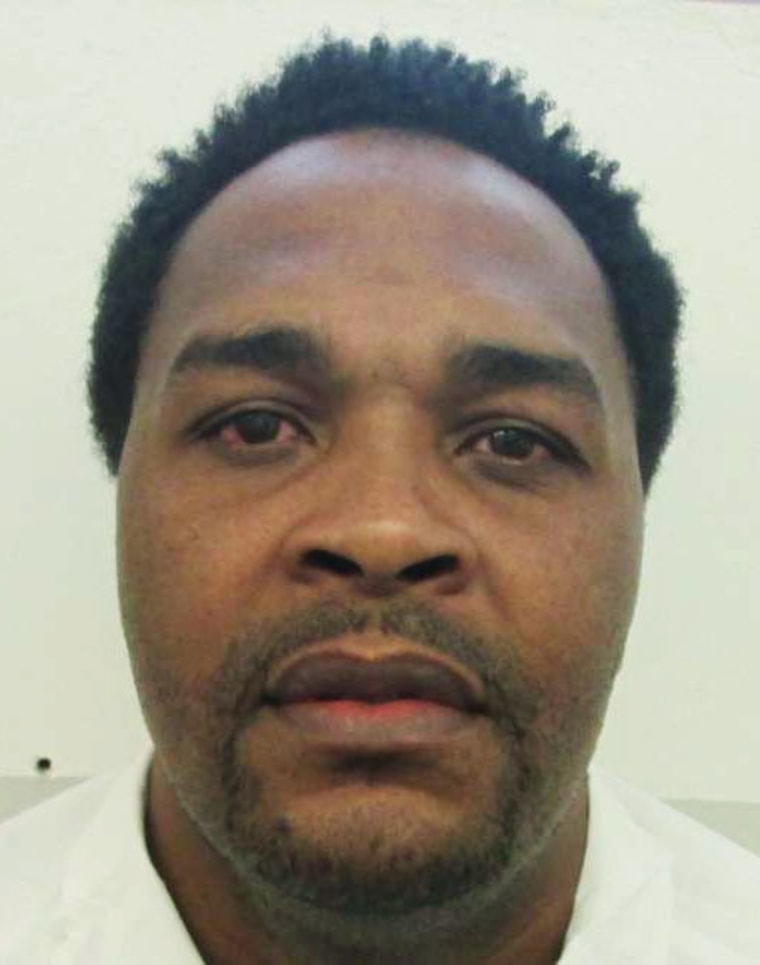
The Supreme Court rejected Alabama’s bid to execute Jeffery Lee using nitrogen gas after lower courts halted the method, citing it breached the constitutional ban on cruel and unusual punishment. The state had sought an emergency order ahead of Lee’s execution, planned for 6 p.m. local time. Justices Clarence Thomas, Samuel Alito, and Neil Gorsuch dissented, favoring the state’s request to reverse lower courts’ decisions.
Jeffery Lee, convicted for murdering two during a 1998 pawnshop robbery, escapes death via nitrogen for now. The state can explore other methods, but the timeline for alternatives remains unclear.
The core issue of Lee’s legal challenge was the state’s ability to execute him with nitrogen gas. Initially, a federal judge in Alabama ruled the method constitutional. However, Lee’s legal team appealed, and the 11th U.S. Circuit Court of Appeals found nitrogen executions likely infringe on the Eighth Amendment, ordering the district court to assess firing squad feasibility instead.
After favorable rulings for Lee at both district and appeals levels, Alabama filed for an emergency order with the Supreme Court. Historically, the Court upheld other execution methods like lethal injection and firing squad. Alabama pioneered nitrogen gas execution early in 2024, facing intense litigation since.
Nitrogen hypoxia makes inmates breathe the gas through a mask, causing oxygen deprivation. In its Supreme Court filing, Alabama claimed the process was rapid, humane, and painless. Opponents, including the American Thoracic Society, argue it induces torture, citing intense, inhumane suffering.
Witness accounts from prior executions describe convicts shaking and gasping for air. Anthony Boyd, executed last October in this way, took 30 minutes to be declared dead.
Justice Sonia Sotomayor and others dissented in a previous nitrogen execution case, emphasizing that accounts reveal the process is not as promised. Sotomayor argued for alternatives like the firing squad, asserting constitutional mercy under the Eighth Amendment.
Alabama executed seven prisoners using nitrogen; Louisiana executed one. Lethal injection is Alabama’s main method, but drug procurement has faced challenges. Lee seeks firing squad execution, which Alabama law currently prohibits.
Convicted in 2000 for the murders of Jimmy Ellis and Elaine Thompson, Lee also attempted to kill Helen King in a Montgomery robbery. During his nearly three decades on death row, Lee expressed remorse and found redemption through faith.
Attorney General Steve Marshall insists on executing Lee, emphasizing justice for the victims. Despite Lee’s legal push for sentence commutation, Governor Kay Ivey remains committed to the planned execution.