
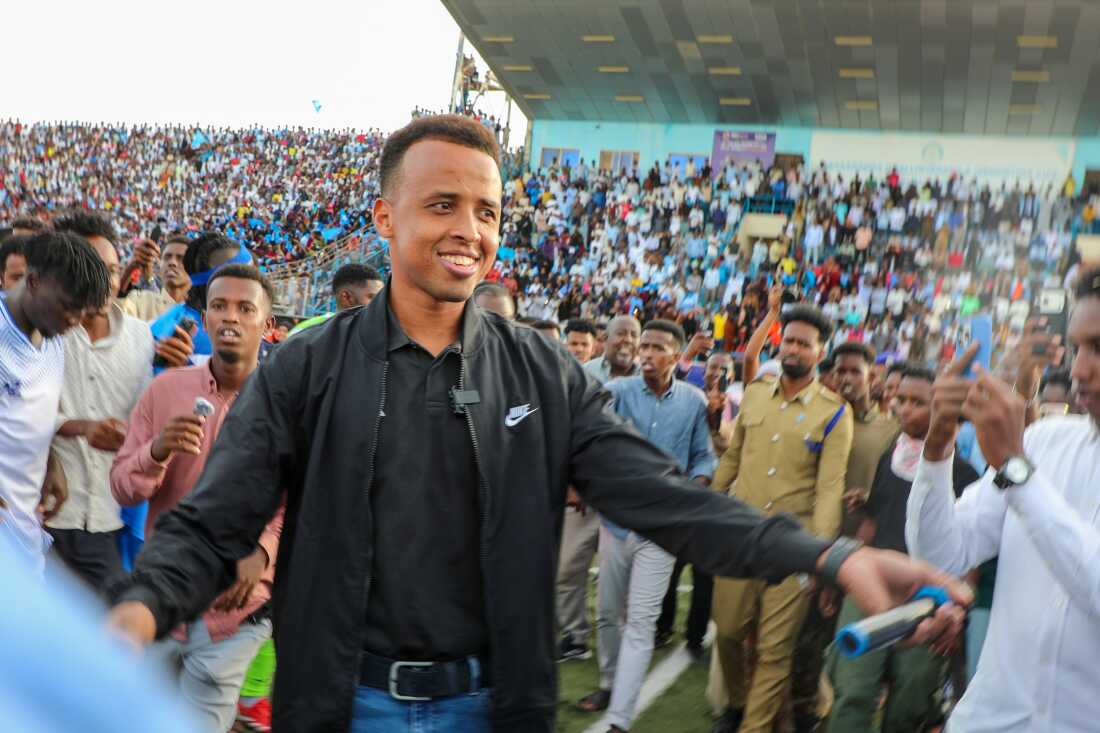
Omar Abdulkadir Artan, a Somali referee, faced a warm embrace from his home country recently. After being denied entry to the United States for the World Cup, he returned to Mogadishu, greeted as a hero. The scene at the airport was festive, with government officials presenting flowers and fans cloaking him in the Somali flag’s sky-blue colors.
Thousands assembled in a stadium in Mogadishu. The gathering was not for a soccer match, but to honor Artan’s return. Raised onto shoulders amidst cheering crowds, Artan became a symbol of national pride for many Somalians.
“What happened has happened and it was fate. I am grateful for the support FIFA gave me,”
Artan expressed these words to reporters. Despite the setback, he remains hopeful and told local media he intends to participate in the next World Cup. Artan’s message focused on resilience and patriotism. He urged Somalia’s youth to continue striving for their dreams, emphasizing his love for the country.
The U.S. Customs and Border Protection blocked Artan’s entry at Miami International Airport. Though he held a diplomatic passport and valid visa, Andrew Giuliani, the head of the White House World Cup task force, justified the action. According to Giuliani, anyone with alleged ties to bad actors targeting the U.S. would be barred from entry. An anonymous Trump administration official claimed Artan was linked to suspected terror associates.
While NPR awaits a comment from Artan, FIFA confirmed he won’t train at the tournament sites. The World Cup, shared between the U.S., Canada, and Mexico, starts in Mexico City soon.
In Somalia, where U.S. support is pivotal against Al-Shabaab militants, the accusations roused anger. Ilham Gasser, a Somali parliament member, reflected public sentiment, questioning why these issues weren’t flagged during Artan’s visa process.
Amid this situation, Iran joins a list of countries affected by a U.S. travel ban issued last year. President Trump’s comments regularly portray Somalia negatively, labeling Somalians as “garbage” and the nation as dangerous.
Yet, Artan’s homecoming becomes more than a missed sports opportunity. It serves as a beacon of national pride, showing the House’s support for one of its citizens celebrated on the sports world’s stage.