
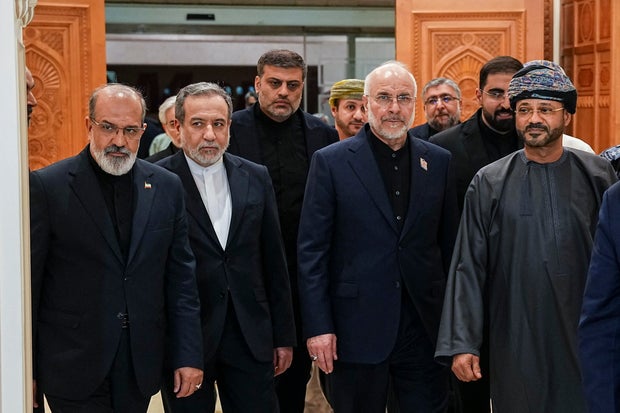
The ongoing conflict involving Iran has seen significant developments as Iranian and U.S. officials plan to meet on Tuesday in Qatar. President Trump announced this meeting at Tehran’s request but did not provide further details. Both nations recently exchanged strikes, which tested a fragile ceasefire. Over the weekend, Iran threatened to halt negotiations with the U.S., highlighting the tension between the two nations.
Iran to Gain Access to Frozen Assets
On Monday, Iran’s president announced that the country is set to receive $6 billion in frozen assets currently held in Qatar, as reported by Iranian state media. This unfreezing of assets is part of the U.S.-Iran memorandum of understanding. Efforts are ongoing to release the remaining funds from Qatar, totaling $12 billion, although the U.S. has not confirmed any release of assets.
Management of the Strait of Hormuz
Iranian and Omani officials have convened for the first time to discuss the Strait of Hormuz’s management. This vital waterway is crucial for the global supply of oil and gas. Mixed messages from both nations previously indicated potential disagreements on tolls and routes. Iran suggested imposing “services fees” on ships, a proposal opposed by the U.S. Meanwhile, Oman had initially considered costs related to managing the strait but later stated no “passage fees” were planned, with the possibility of a temporary maritime corridor in coordination with the UN.
The U.S.-Iran memorandum specifies that the Strait of Hormuz should remain toll-free for 60 days following the agreement. Discussions between Iran and Oman will continue to define future management and maritime services, in line with international law and sovereign rights.
Continuing Talks and Regional Developments
Although U.S. officials reported that negotiations with Iran are set to continue, and vessels in the Strait of Hormuz can move freely, Iranian representatives have stated no technical meetings are planned for the immediate week. Despite recent tensions from exchanged military strikes, both countries aim to maintain open channels for dialogue.
Regional Tensions with Israel and Lebanon
In a separate but related series of events, Israel has resumed strikes on southern Lebanon, despite a recently signed framework agreement with the country. Lebanese state media reported these strikes even as Hezbollah warned of potential internal conflict if hostilities continued. During a strike over the weekend, one individual was reportedly killed, and the Israeli military has positioned itself within a declared “security zone.” The Israeli army confirmed the loss of a soldier during operations in the region, and military planning for continued actions aligns with the ceasefire agreement’s framework.
These developments involve critical strategic interests related to oil, gas, and regional stability.