
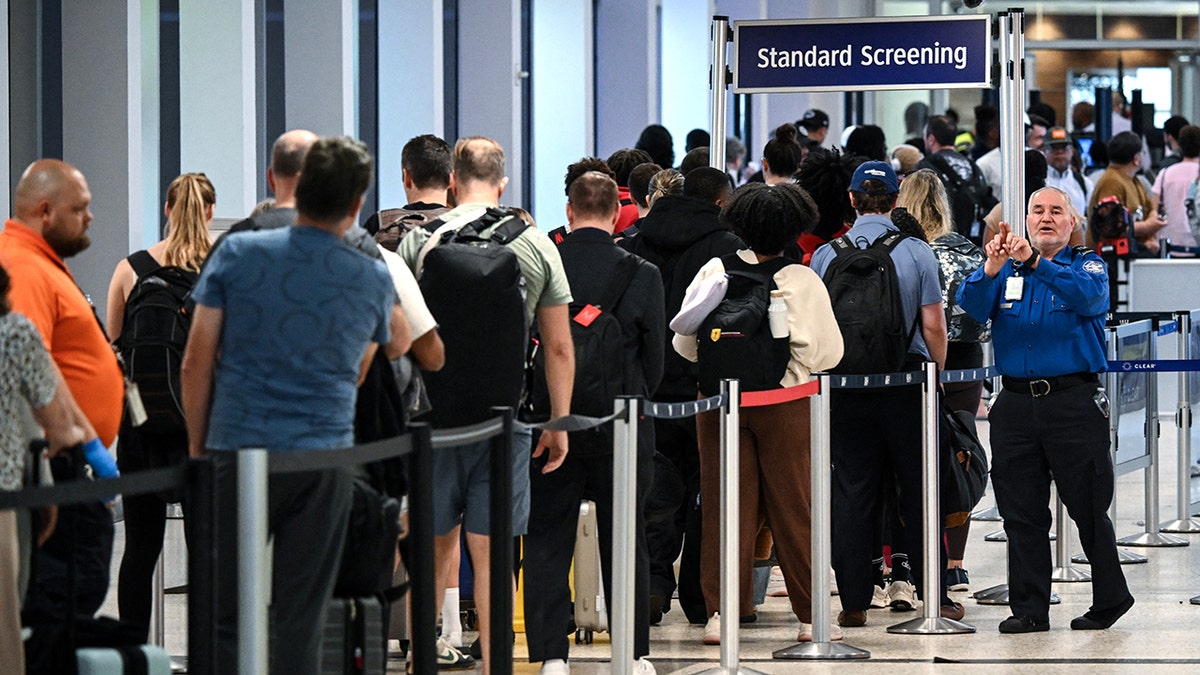
For over ten years, Americans have endured government shutdowns yearly. These shutdowns impact the economy, disrupt security, and harm families nationwide.
Shutdowns have tangible effects. The most recent one cost the economy over $11 billion. Airport security lines stretched up to six hours as TSA workers went unpaid. Air traffic controllers also faced unpaid work, risking safety. Veterans and seniors found it difficult to access earned benefits as services paused. The Small Business Administration struggled to support entrepreneurs.
Families feared losing SNAP benefits vital for feeding children. Past shutdowns even threatened service member pay. Shutdowns signal that political standoffs can paralyze the U.S., showcasing vulnerability to allies and adversaries.
Often, politicians view shutdowns as opportunities to gain political leverage on media platforms, but the American public consistently bears the cost. Citizens are weary of this chaotic political approach.
Government shutdowns have harmed our country and must end.
Both political parties share responsibility for shutdowns. They must collaborate to prevent recurrences. A Republican and a Democrat in the Senate have proposed a solution. Their principle is simple: American citizens should not suffer because Congress misses funding deadlines. The proposed “Prevent Government Shutdowns Act of 2026” aims to remove shutdowns as a political tool and ensure Congress finishes budgeting responsibilities.
The plan is straightforward. If Congress doesn’t pass all 12 appropriation bills on time, an automatic Continuing Resolution (CR) kicks in. This keeps workers and agencies funded at the current spending level. Meanwhile, Congress members must stay in Washington D.C. and work daily to resolve budget issues. Only appropriation bills are debated until finalized, akin to staying after school to finish classwork.
This approach marks a significant shift from current practices. It ensures Congress feels the shutdown’s pressure instead of citizens and workers. Critical service workers and federal employees remain protected from political impasses. Threatening their paychecks and essential services never settles policy debates; it only harms families.
Though previously introduced with bipartisan backing, the bill narrowly missed passing by three votes. A recent prolonged shutdown intensified calls for resolution, garnering more support in Congress and from various partisan and nonpartisan organizations, including the American Federation of Government Employees.
Changing the status quo in Washington is challenging, especially when the existing method fails. A new direction is necessary for resolving disagreements. Americans and the proposing senators differ on numerous issues, but they agree on ending shutdowns permanently.
About the Authors: Maggie Hassan serves as a Democratic Senator for New Hampshire and was the state’s governor from 2013 to 2017. James Lankford is a Republican Senator representing Oklahoma.