
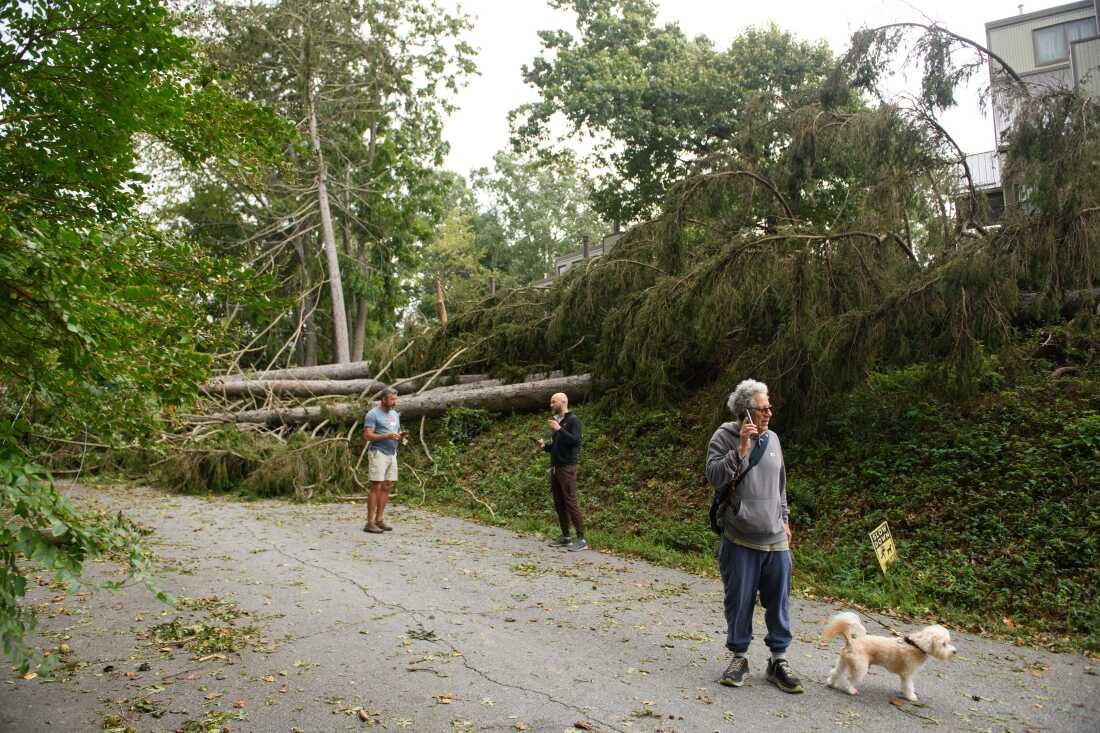
Residents in Asheville, North Carolina, began making phone calls in their neighborhood following severe floods triggered by heavy rains from Hurricane Helene on September 28, 2024. The aftermath has residents like Anthony Leone and his wife, Corinne Saunders, already keeping an eye on the weather forecast. They reside in North Carolina’s Outer Banks and are familiar with the preparations necessary for hurricane season, including managing cell phone usage.
The hurricane season occurs from June to November. In May, the National Weather Service predicted below-normal activity in the Atlantic for the first time since 2015. Despite this prediction, there remains a risk of a significant storm. High winds and rain can disrupt power supplies that cell towers rely on. As a consequence, cell carriers are enhancing their preparations using advanced technologies such as AI and drones to ensure communication continuity.
Carrier Strategies
Verizon Wireless initiates its hurricane response plans about a week before a storm is projected in an area. Srini Kalapala, the senior vice president of wireless engineering and operations at Verizon, explains that drones take pre-and-post-storm images to assess damage. AI then sends precise damage locations to engineers for repairs. The company employs mobile tools with codenames like COW (cell on wheels) and HAWK (a drone device) to rapidly restore service.
AT&T prepares similarly, bringing in boats, barges, and helicopters to reach difficult areas post-disaster. According to Shannon Browning, the associate director of AT&T’s Network Disaster Recovery team, this strategy helps during hurricanes, snowstorms, and wildfires. The company has combined disaster teams for a more efficient response.
T-Mobile’s chief operating officer, Jon Freier, mentions that their disaster readiness begins three to five months in advance. During power outages, customers receive free satellite service. AI tools help adjust antennas and conserve backup battery power, extending service availability.
User Experiences
Over the years, Anthony Leone has experienced various levels of phone service from different providers during hurricanes. His former provider offered inconsistent service, but with AT&T, he receives timely alerts and generally reliable service.
Cell and Wi-Fi services are critical for first responders, according to Peter Antevy, a medical director in Florida. These services are used for telemedicine, data transmission, and communication between 911 dispatch centers and ambulances. In Texas, Amy Weber, chief of emergency medical services, collaborates with carrier representatives during planning meetings to coordinate equipment deployment, ensuring reliable communication during emergencies.
Houston-area resident Jackie Santillan faces connectivity challenges with her current provider, T-Mobile, necessitating Wi-Fi use for consistent service. She started a petition for a new cell tower, which has garnered significant support. In response, T-Mobile emphasized its focus on enhancing network resilience and expanding coverage in low-connectivity areas.