
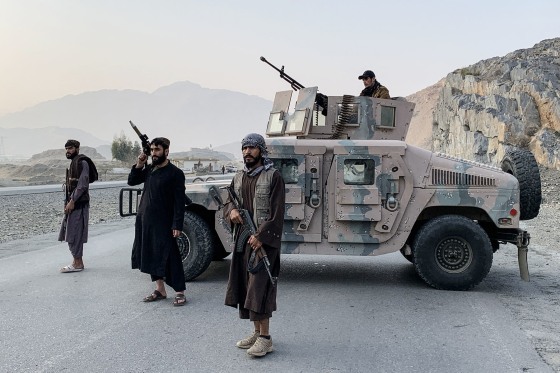
The return of the Taliban to power in Afghanistan in 2021 marked a period of significant challenges for the nation. After their removal by U.S. troops two decades prior, the group’s resurgence has led to severe consequences for the economy and society.
Economic Decline
Under the rule of the Taliban, Afghanistan’s economy has faced substantial difficulties. Unemployment has become a pressing issue, with over half a million jobs lost. This economic floundering has contributed to a rise in malnutrition across the country, worsening living conditions for many citizens.
Impact on Women’s Rights
The Taliban’s governance has also seen a tightening of restrictions on women and girls. Females over the age of twelve have been largely prohibited from working and attending educational institutions, significantly affecting their social and economic freedoms.
Security Measures
Amid these shifts, Taliban security forces maintain strict control at critical locations, such as the Torkham border crossing between Afghanistan and Pakistan, highlighting the group’s focus on tightening its grip on the region.
“Under the Islamic fundamentalist group’s rule, the economy has floundered, malnutrition has soared, and more than half a million jobs have been lost.”
This quote encapsulates the major challenges Afghanistan faces under Taliban rule, with a weakened economy and widespread social issues.