
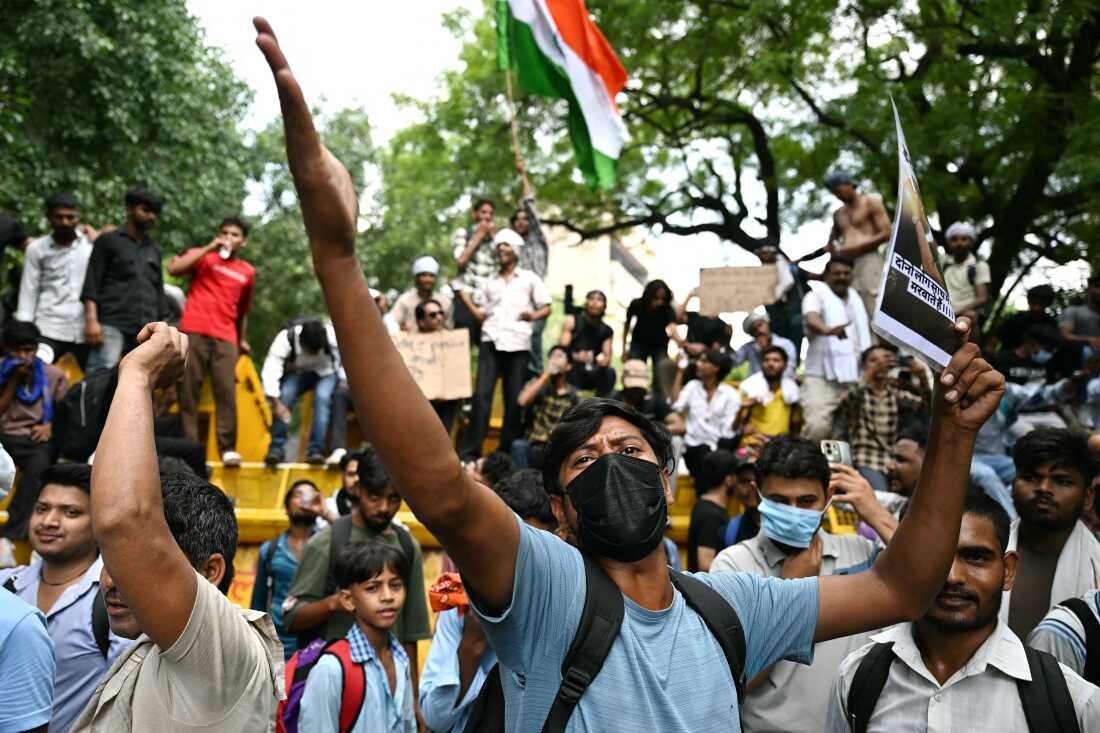
A supporter of the Cockroach Janta Party shouted slogans at Jantar Mantar in New Delhi, highlighting ongoing protests against India’s education minister, Dharmendra Pradhan. This is a part of a larger movement across South Asia where youth-led protests are becoming more prevalent.
In September 2025, Nepal’s government banned 26 popular social media platforms. They claimed these companies failed to comply with regulations against misinformation and hate speech. Critics, however, viewed this as an effort to suppress videos spotlighting politicians’ luxurious lifestyles. Protests erupted, leading to the resignation of Prime Minister K.P. Sharma Oli.
Similar unrest occurred in Bangladesh in August 2024. Students protested a High Court decision endorsing a quota system that favored descendants of 1971 independence war veterans in government jobs. This movement also led to significant political changes.
The protests shared a common theme: the persistence of elite privilege amidst diminishing opportunities for youth. Often, a specific incident ignited these protests, but deeper frustrations existed beneath the surface.
The Unrest in India
India, with its vast young population, faces similar challenges. Despite economic growth, many young graduates face unemployment. A report by Azim Premji University notes that nearly 40% of graduates aged 15 to 25 are without jobs. Among those aged 25 to 29, 20% are unemployed.
Dharmendra Pradhan, India’s education minister, resigned under pressure from large-scale student protests. These protests were fueled by widespread exam paper leaks. Previously, comments made by Chief Justice Surya Kant, which were perceived as derogatory towards unemployed youth, added momentum to the protests.
Placards and slogans became a common sight in protests across major Indian cities. The Cockroach Janta Party emerged as a significant force in these movements.
Underlying Causes of Youth Protests
What is driving these protests across South Asia’s populous regions? Three main factors seem to play a critical role.
Economic Disparity: South Asia has seen economic growth, but inequality persists. In Bangladesh, the richest 10% hold most of the wealth. In Nepal, high unemployment rates among young people, even the educated, continue.
Corruption: Youth in South Asia are increasingly frustrated with official corruption. From job opportunities in Bangladesh to exam leaks in India, meritocracy appears compromised.
One Indian protester expressed his frustration: “The exam papers are leaked, and the rich pay for their children to pass. Where do we go?”
Internet Access: Widespread internet access has informed the population about their rights and raised aspirations. Attempts to restrict online expression, seen in Nepal, only fueled public anger and mobilization.
The Challenge Ahead
Student leaders in New Delhi have temporarily paused protests following Pradhan’s resignation. However, the core issues affecting the youth remain unresolved. Stability will depend on whether the ruling class addresses these systemic issues effectively.
For years, leaders have praised South Asia’s demographic dividend. Now, they are confronting its challenges, revealing the potential for unrest if youth opportunities do not improve.