
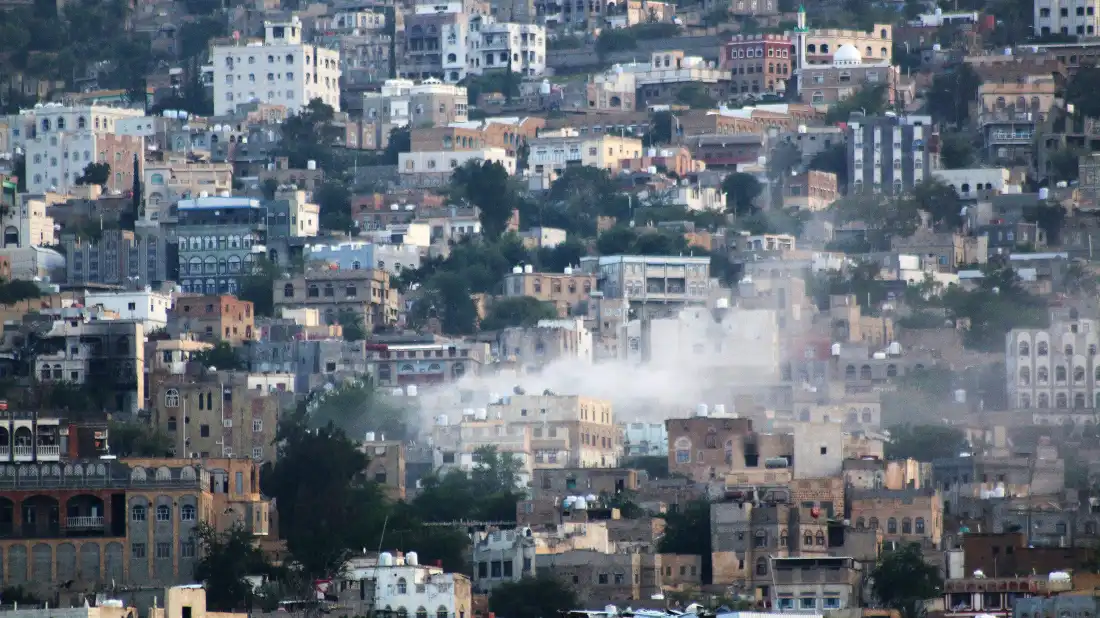
Taiz, Yemen’s third-largest city, has reached critical shortage levels of drinking water due to a siege by Iran-backed Houthi rebels. The city, now suffering from limited access to wells and low fuel supplies for desalination plants, finds its over 1 million residents struggling to meet daily water needs. Water delivery trucks face restricted entry, leaving families to ration what they have.
Prior to the siege, residents like Hadil al-Shahid used approximately 10 liters of bottled water daily for drinking and cooking. Now, they stretch this amount over four days, dispensing with daily coffee and tea. The cost of bottled water has surged by 75%, forcing some families to purchase on credit.
The siege also affects food supply and price. Shortages have driven grocery prices up, while scarce fuel disrupts essential services like hospitals and sanitation, raising public health risks. Amnesty International demands the Houthis lift the blockade, warning of an impending humanitarian disaster.
Conflict began in 2014 when Houthis seized much of northern Yemen, including Sanaa. Taiz, a strategic point since then, grapples with damaged water infrastructure, intensified by population growth and droughts. Before August, trucked water was a somewhat reliable source.
As Houthis advanced on Taiz, capturing Mokha, a key port, control over surrounding lands tightened. This cut off well access and dwindled external water deliveries. Truckers now charge up to triple rates to navigate the perilous route into Taiz.
Taiz’s struggle extends beyond water. Fuel scarcity affects utility operations, and thousands displaced by war into Taiz increase demands on scant resources. Cooking gas prices have more than quadrupled, leading families to cook with wood or cardboard.
The lack of fuel halts waste collection and water pump operations, compounding disease risk. As waste piles and clean water diminishes, diseases like cholera threaten public health. The scarcity of food is evident as prices for staples like flour and rice soar by 50%.
Ahmed Abdel Gaber, now living in ruins with nine family members, survives mainly on aid. Once earning from hauling, his income has ceased, mirroring nearby families’ struggles.
Houthi control of Taiz could lead to a significant advance southward, but conflict ensures high civilian impact. Currently, the Houthi control seems strong in about 80% of the surrounding countryside and some parts of Taiz. Recent missile strikes by Houthis highlighted civilian dangers again, killing two teenage girls in a residential area.
For citizens like al-Shahid, leaving Taiz is not feasible due to prohibitive costs elsewhere. The family remains in the city, accepting the risks as a necessary reality.