
Maya Devi resides in a makeshift settlement on Delhi’s fringes. Her life has been uncertain, yet she participated in India’s democracy until recently. Over 130 million individuals, including Devi, were removed from the electoral rolls, according to the Election Commission. This has led to anger, allegations of wrongdoing, and renewed protests against Prime Minister Narendra Modi, leader of India’s dominant party.
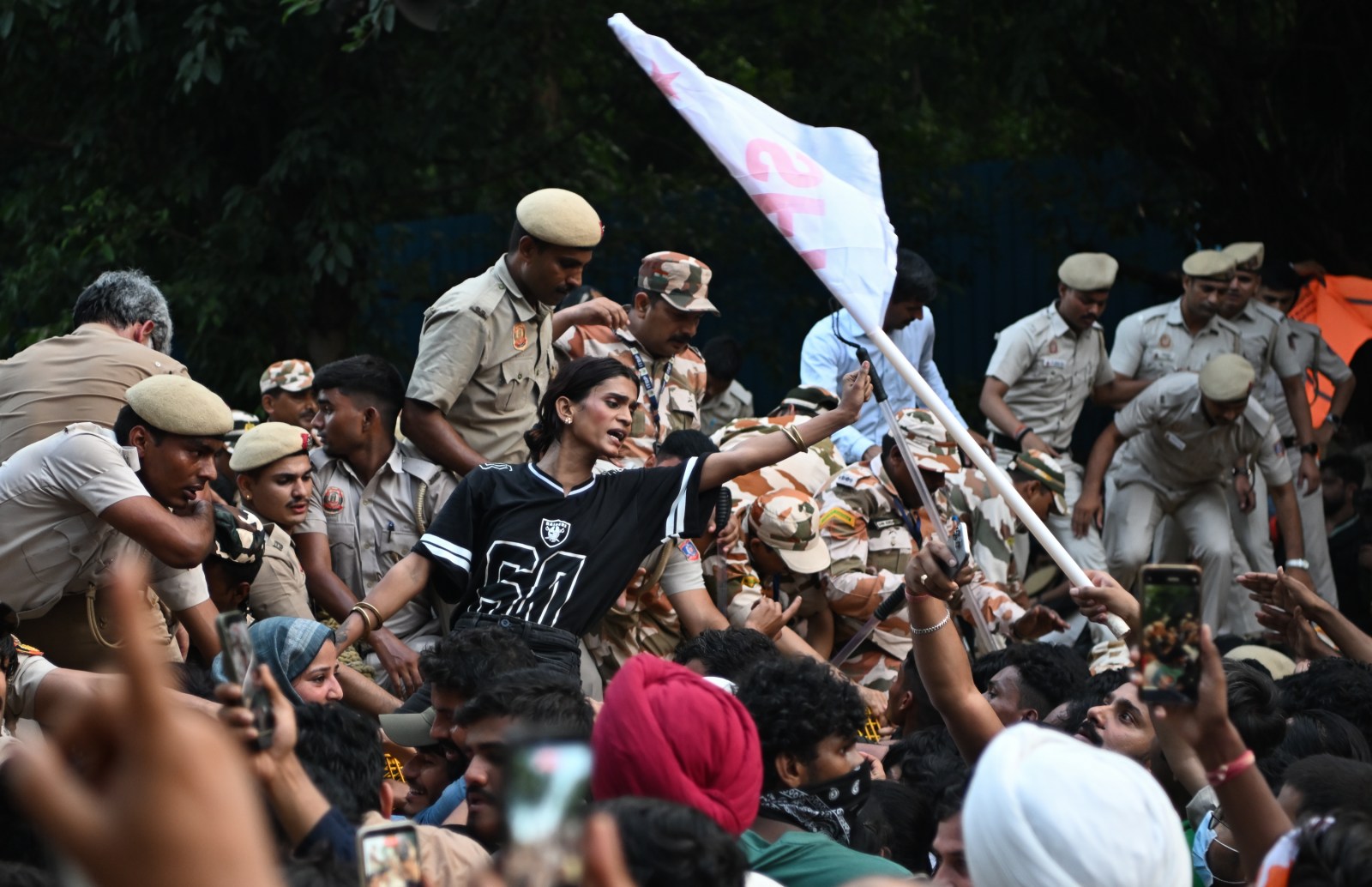
The Cockroach Janta Party (CJP), a youth-driven movement, faced detentions as leaders were held during protests demanding the resignation of Chief Election Commissioner Gyanesh Kumar. More than 2,400 demonstrators were temporarily detained last weekend. Opposition leaders approached the Supreme Court, seeking intervention regarding the voter rolls.
Similar to debates on voter rights in the United States, with its focus on voting identification, India faces controversy over the massive removal of names from voter lists. Officials claim the removals involved people who were deceased, duplicates, absent, untraceable, or permanently relocated. However, the opposition argues that these changes potentially favor Modi’s Hindu nationalist Bharatiya Janata Party (BJP).
Maya Devi expressed her shock, “I have been voting for decades, and suddenly that right has been taken away. My entire family is affected; we are all illiterate, and our names vanished from the voter list,” she told Newsweek.
Critics argue that Kumar’s oversight includes a voter list revision risking voter disenfranchisement. Both the Election Commission and BJP deny any political manipulation. BJP spokesperson Sudhanshu Trivedi stated removed names didn’t include valid voters. The figures referred to absent, relocated, deceased, or duplicate entries, not final deletions, as per the Free Press Journal.
Legal scholar Hrishika Jain suggests rolling back the Special Intensive Revision (SIR), meant to update voter rolls. Jain argues the process heavily impacts those without stable housing, like migrant workers. She emphasized, “It’s an unrealistic expectation for populations lacking formal documentation.” Jain highlighted potential consequences beyond voting rights, such as housing rehabilitation claims.
The electoral implications of roll revisions remain crucial. Political analyst Neelanjan Sircar noted potential influences on electoral outcomes, using West Bengal’s 2026 election as an example. He observed a median 10% decrease in voter rolls since 2024, potentially assisting the BJP against regional party TMC.
Voter removals proceeded in two phases, starting with absentees and duplicates, followed by those with “logical discrepancies.” Sircar cited audits indicating over 70% of removals were Muslim voters. “The absence of clear government directives complicated audits,” he said.
Praveen Rai, a political analyst, noted no clear evidence of systematic removals favoring the BJP. Rai highlighted reported illegal immigrant movements as evidence supporting valid removals. Rashmi Singh, a political sociologist, detailed challenges faced by removed voters in resolving discrepancies and re-registering without robust support networks, unlike BJP loyalists.
Rai cautioned that undermining the Election Commission could damage public trust in democratic processes. However, Jain insisted that solely demanding Kumar’s resignation won’t address structural concerns about the Commission’s independence, urging reforms in commissioner appointments.
Devi’s struggle extends beyond electoral issues, following her home demolition. “We were instructed to return home or rent in Delhi—both are unaffordable. We crave our voting rights,” Devi stated. She remains uncertain about who can assist her family in restoring their names to the voter list.