
The Metropolitan Water Reclamation District of Greater Chicago (MWRD) is investing in an advanced water treatment system at its Terrence J. O’Brien Water Reclamation Plant in Skokie. This initiative, marking nearly a century of operations, aims to ensure cleaner water and adhere to future regulations, serving over a million people across 143 square miles daily.
Introducing Battery E
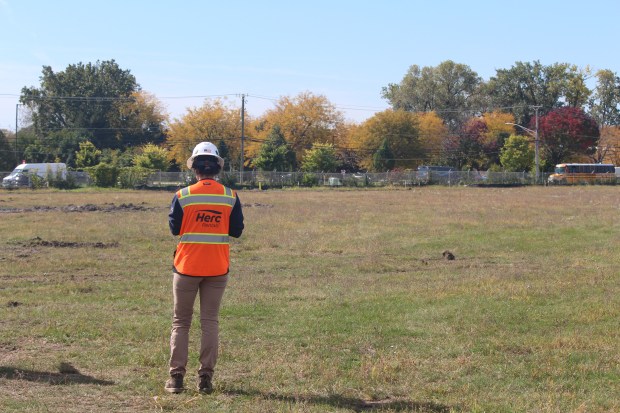
Battery E is the fifth group of treatment tanks and infrastructure at the plant. The project, initiated on October 8, is a significant investment of nearly $400 million by MWRD, one of the largest in its 137-year history. Aruch Poonsapaya, a managing engineer at the plant, emphasized the need for maintaining and updating the aging infrastructure, much of which dates back to 1928. A key driver of this new development is nutrient removal, particularly phosphorus.
Phosphorus, while essential, can cause excessive algae growth when present in large amounts. This impacts oxygen levels and aquatic ecosystems negatively. MWRD Board President Kari K. Steele highlighted these concerns at the recent groundbreaking ceremony attended by leaders from Skokie, Evanston, and the U.S. Environmental Protection Agency.
Environmental Impact
Steele noted that the project will improve water quality along the North Shore Channel and the Chicago River system, impacting areas as far south as the Des Plaines River and the Mississippi River. Water from nearly 90% of Cook County, covering homes of approximately 5.19 million people, passes through one of MWRD’s seven water reclamation plants before being released downstream.
The primary treatment at the O’Brien Plant, as Poonsapaya explained, involves screening, filtering, and settling out waste and sewage. This initial process removes 60-70% of contaminants. Battery E will enhance secondary treatment, aiding in filtering water to achieve 97-99% cleanliness. While not potable, the treated water returned to the river will be safe for human contact.
Meeting New Standards
As environmental regulations become more demanding, Battery E will help the O’Brien plant comply with new phosphorus discharge limits set for 2027 and 2030. Steele highlighted the need for infrastructure to adapt to unpredictable flows, weather changes, and new pollutants.
Community Collaboration
Skokie Mayor Ann Tennes acknowledged the groundbreaking’s significance for local water quality and future infrastructure readiness. Skokie has collaborated with MWRD on sustainability goals, including reducing water usage by nearly 200 million gallons annually by 2030.
Tennes recognized the essential yet often overlooked nature of wastewater infrastructure, emphasizing its critical role. Battery E’s construction will span approximately four years, providing employment opportunities for hundreds of tradespeople.