
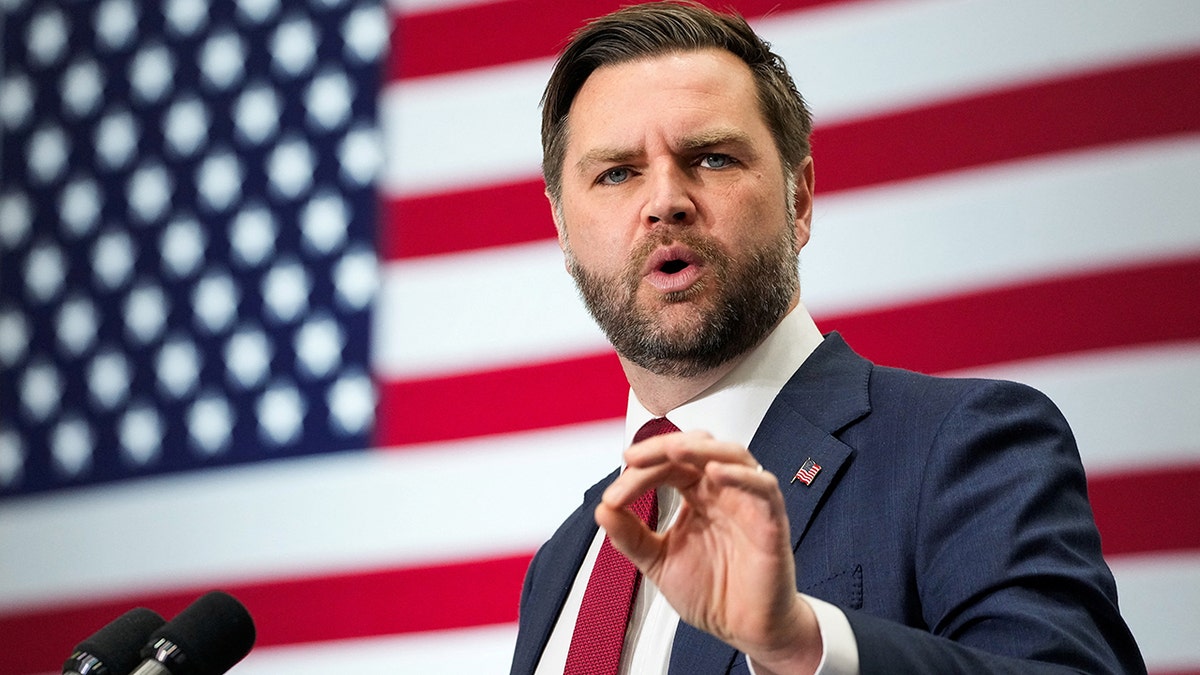
Vice President JD Vance shared insights with podcaster Joe Rogan concerning the U.S. administration’s efforts to negotiate with Iran, aiming to prevent a war and avert a refugee crisis. Vance highlighted that a faction within the Republican Party aggressively opposes this deal.
There are people who are super hawkish in the American system who have attacked the deal and, frankly, in some ways have tried to derail the deal. And what I always say to those people is, ‘What is your proposal? What is your actual argument?’
Vance stated during the conversation.
He pointed to the Strait of Hormuz as a critical example of the existing geopolitical threat. Iran, he claimed, possesses the capability to shut down 25% of the global energy supply using cost-effective drones, which are challenging to intercept.
Senator Rand Paul raised concerns about the U.S.’s involvement in wars without direct voter consent. Vance echoed this sentiment, critiquing certain Republicans and their allies who favor more aggressive measures against Iran, hinting at desires for regime change. He questioned the viability of these strategies based on past experiences.
It’s not good,
Rogan agreed, following Vance’s criticism of proposals like ground invasions of 150,000 troops. Vance argued that such strategies essentially delegate the responsibilities meant for the Iranian people to the U.S. military, a role he stated the U.S. should no longer pursue.
Discussing past interventions, Vance warned about outcomes similar to Libya, where the overthrow of Moammar Gadhafi resulted in a failed state, fostering refugee crises and terrorism. He emphasized the risks of repeating this pattern in Iran.
Vance warned of potential refugee crises and increased terrorism should the Iran conflict escalate unsolved. This, he argued, would not be in the U.S.’s interest given the precedent of destabilization seen in regions like Libya and Syria.
Reflecting on President Trump’s coalition, Vance criticized the ‘hawkish’ faction for rejecting negotiation efforts, including those of Trump, when they deviated from aggressive policies towards Iran.
Vance referred to a memorandum of understanding, accusing the interventionist Republicans of misrepresentation. They have falsely claimed that the U.S. would give Iran $300 billion, when it actually pertains to Gulf countries investing, contingent on Iran fulfilling its commitments.
Overall, Vance emphasized the American public’s preference for military engagements with clearly defined objectives, resisting prolonged warfare reminiscent of previous decades.