
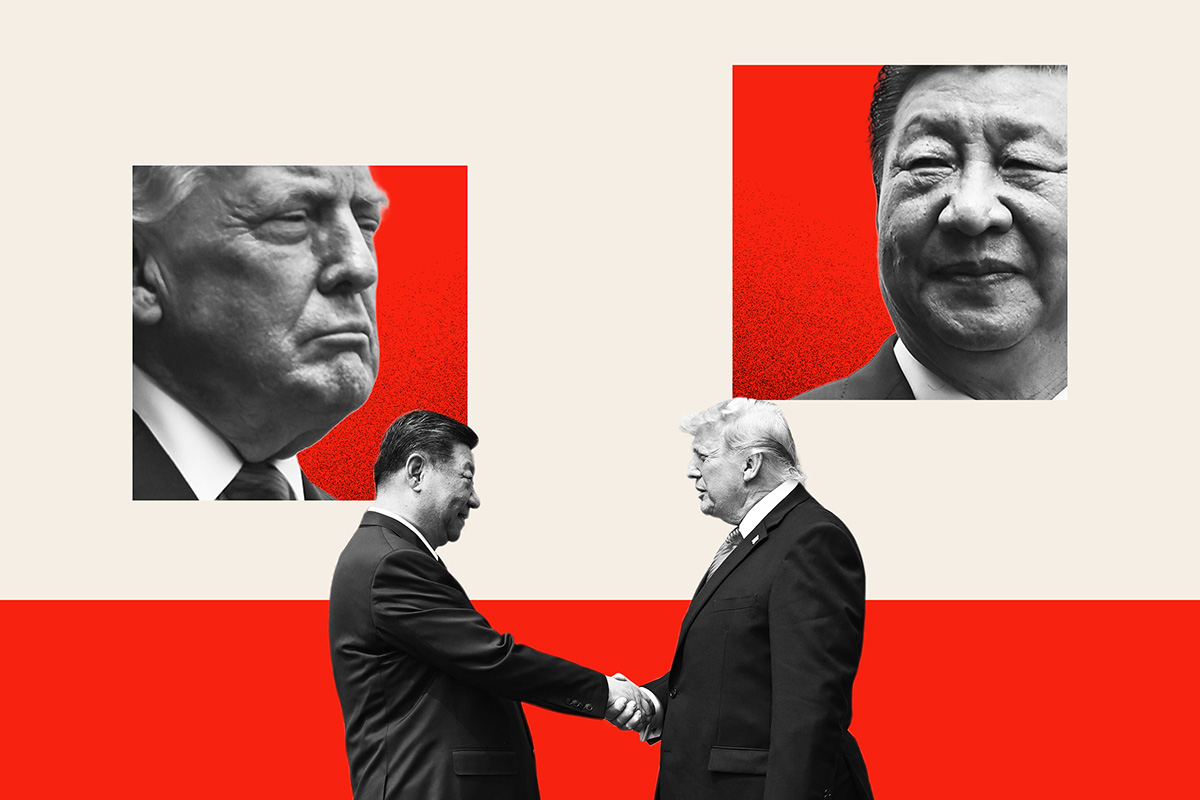
President Donald Trump’s focus on business may be softening the U.S. stance towards Beijing. However, his administration’s China hawks remain influential.
The pomp of Trump’s recent Beijing visit was a year-long effort. It followed significant tariff reductions by both nations last May. His first administration tangled with China over trade deficits and COVID-19 origins, resulting in strained relations.
In Beijing, Trump highlighted his relationship with China’s President, Xi Jinping, calling Xi a “great leader.” This praise reportedly fostered trust between them.
Prominent China critics accompanied Trump, including Secretary of State Marco Rubio and Defense Chief Pete Hegseth. They supported Trump in seeking more collaboration with Xi to enhance business prospects.
The delegation’s presence aimed to remind Xi of potential chaos if China did not engage diplomatically. Miles Yu, former China policy advisor, emphasized the visit’s goal was showcasing U.S. dominance.
Trump facilitated détente with concessions affecting Taiwan and AI chip access. Xi reciprocated with commitments to meet in South Korea and increase U.S. agricultural purchases.
Xi’s agreement to visit the U.S. in September might be framed as a diplomatic success for China, as Trump’s praise continues.
While Trump provides Xi some trust, the presence of China hawks suggests vigilance from Beijing. Yu warned of a “new Cold War” scenario. He emphasized deterrence, asserting “Peace through strength.”
Back in the U.S., tensions persist. California’s former mayor Eileen Wang faces charges linked to Chinese political influence. Similarly, Harry Lu in New York was convicted of operating an unofficial Chinese “police station.”
U.S. states implement laws targeting China’s influence in science, technology, and business sectors.
Despite apparent decreases in tension, substantial changes seem unlikely according to Yu. Trump’s invitation to Xi aims to maintain compliance until September.
John Yasuda, from Johns Hopkins University, opined that Trump’s tactic may not have succeeded. Xi maintained control, suggesting a transactional U.S.-China relationship may ease tensions. He questioned Washington’s understanding of this diplomatic asymmetry.