
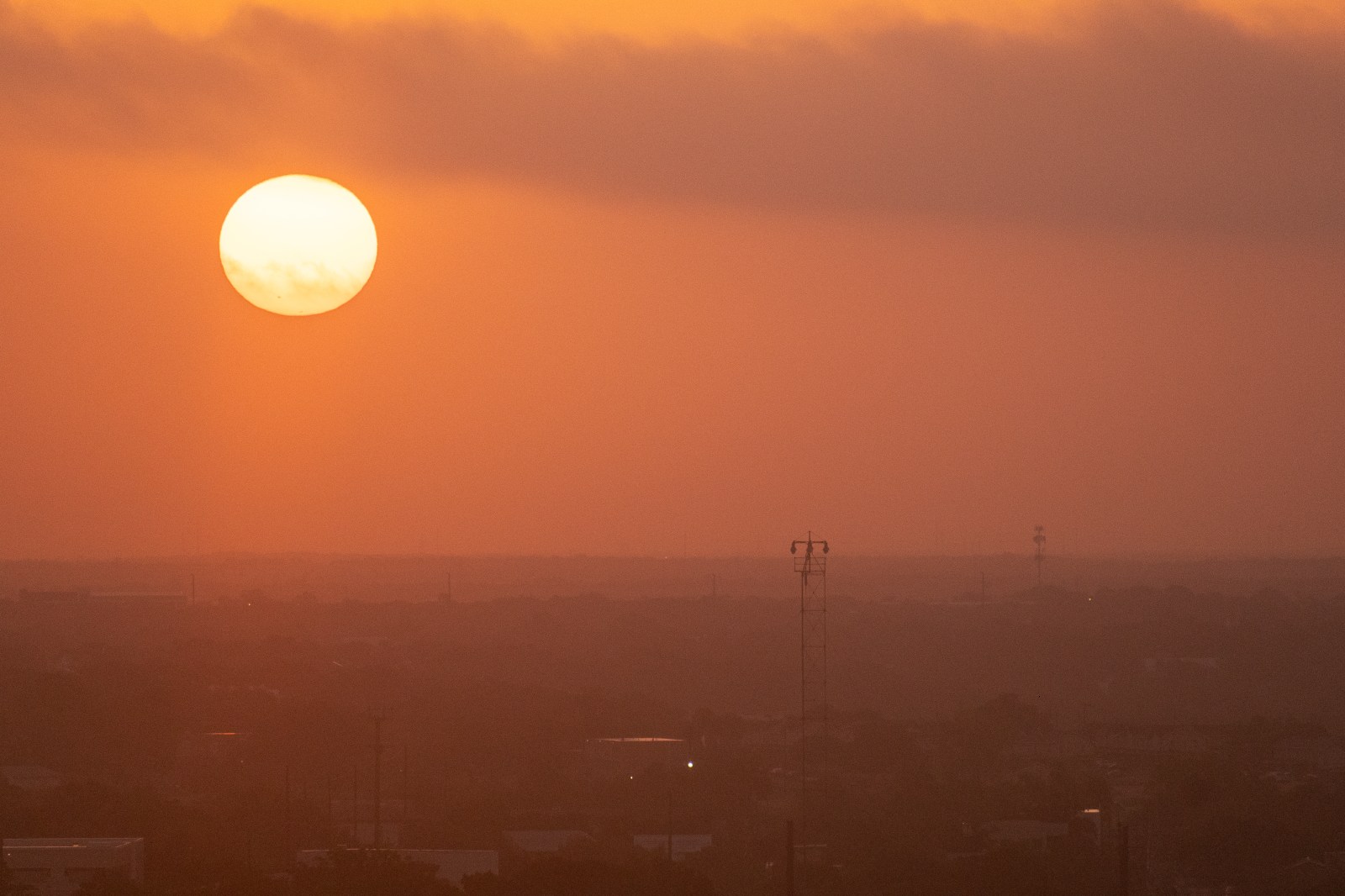
A heat advisory has been declared for eastern Montana as temperatures are forecasted to reach triple digits early this week. This event is unusually intense for the season, and experts warn of potential health risks. The National Weather Service (NWS) in Glasgow stated that the advisory will be active from noon to 9 p.m. MDT on Tuesday. Temperatures could rise to 102 degrees across several counties, including Daniels, Dawson, Phillips, Valley, Garfield, McCone, and nearby areas.
Additional concerns come from strong southeast winds, with gusts reaching up to 40 mph expected around Fort Peck Lake. The area has a separate lake wind advisory due to these conditions. Forecasters caution that the combination of extreme heat and gusty winds could create hazardous situations both on land and lakes, with waves potentially reaching up to five feet.
Residents are advised to stay hydrated, avoid long sun exposure, and check on vulnerable neighbors. This early heat is particularly concerning as the region is not yet acclimated to such warmth, increasing the risk of heat-related illnesses. The ongoing development of a ‘super’ El Nino may further influence U.S. weather patterns this summer, affecting precipitation, temperature, and hurricane activity.
Triple-digit temperatures, typical in the southern U.S. by late spring, are less common in northern regions like Montana in May. Normally, average highs in eastern Montana during May hover in the low 70s, with the hot season commencing in June or later. Residents may be vulnerable to sudden extreme heat, particularly since fewer homes have air conditioning compared to hotter areas. Early heat waves may catch residents off guard.
The heat advisory stresses the danger of leaving children and pets in vehicles unattended, as car interiors can become lethal within minutes. Recommendations include drinking plenty of fluids, staying in air-conditioned rooms, avoiding the sun, and checking on relatives and neighbors.
Several Montana cities could set temperature records on Tuesday, according to NWS Weather Prediction Center data. Billings might break a 90-year record of 95 degrees. The heat also poses environmental concerns, which include elevated wildfire risks and contributions to drought.
Montana Wildfire Risk
The mix of extreme heat, low humidity, and strong winds could increase wildfire risks across eastern Montana, particularly in drying grassland areas post-spring. Dry fuels ignite easily past 100 degrees, with gusty winds aiding rapid fire spread. Routine activities such as towing equipment, using machinery, or discarding cigarettes can trigger fires under such conditions.
Early-season heat may also accelerate vegetation drying before peak summer fire season, potentially intensifying wildfire activity later in the year. Fire officials monitor these early heat episodes closely as indicators of increasing fire danger.
NWS officials urge precautions during the advisory period, recommending against outdoor burning and exercising care in activities that could produce sparks.
Forecasts for Montana
Temperatures are expected to peak on Tuesday afternoon, possibly easing slightly thereafter. However, the broader pattern of above-average warmth could continue in the weeks ahead. The NWS Climate Prediction Center forecasts indicate a likelihood of above-average temperatures across Montana until at least June 7. Meanwhile, much of the U.S. South may experience below-average temperatures in the same period.