
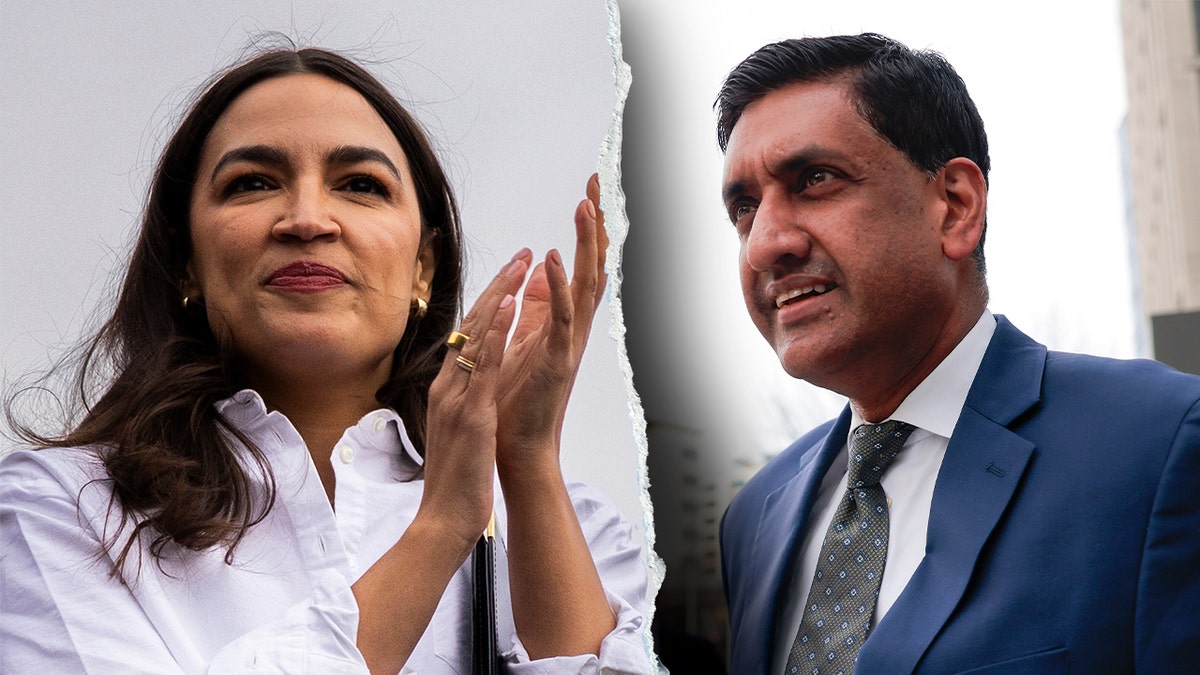
With the approach of the midterm elections, progressive Democrats have introduced a new term to describe an alleged oligarchy. “The 1%” is now being referred to as “The Epstein Class,” carrying negative connotations. This term has been used by figures like Georgia Sen. Jon Ossoff and Maryland Rep. Jaime Raskin, sparking curiosity about who belongs to this so-called “Epstein Class.” If they are to be countered, they need to be identified.
Investigating the Term
In a bid to understand this concept, I spoke with one of its proponents, Rep. Ro Khanna, D-Calif. Our conversation provided some insight, although clarity remains elusive. I queried Khanna on who might fit the description and suggested names such as Elon Musk, George Soros, and Tom Steyer. Khanna did not name anyone specifically but offered his perspective.
“What the Epstein files revealed is a group of powerful and wealthy men more concerned with their status and networks than decency and humanity. They were fine viewing young girls that Epstein was abusing as dispensable to maintain their standing with Epstein and his friends. The callowness, vanity, and vacuity of this governing elite has led to a lopsided and unfair economy.”
Khanna’s comments shift from describing Epstein-connected individuals to labeling them as an elite with disproportionate political influence due to wealth. He references the 2010 Supreme Court decision in Citizens United as a factor in their influence, likening them to “economic royalists.”
Real Implications of the Term
Although the term “Epstein Class” links to Jeffrey Epstein, its real intent appears to be a resurgence of the anti-1% sentiment seen in the Occupy Wall Street movement but with an added element of child sexual abuse. Khanna’s statement moves from talking about Epstein-connected power brokers to echoing arguments about wealth and influence stemming from legislative decisions.
Broader Adoption of the Term
Interestingly, this term has not only been adopted by Democrats but also by some right-wing politicians and podcasters, using it to explain various political policies and movements. However, these explanations often lack specific evidence.
The key takeaway is that the “Epstein Class” is primarily an attack on wealthy individuals involved in politics who do not align with the user’s views. The phrase poses a risk by reviving and potentially spreading the sentiments of past movements like Occupy Wall Street.
The Call for Clarity
The danger of such language is evident without clear evidence or examples. While past efforts to lead with 1% rhetoric were not wholly successful, the risk is that such terms could gain traction within political circles. For stability, it’s crucial to dismiss the notion of the Epstein Class unless those promoting it, like Khanna, can provide clear examples of its existence.