
Sting Incident Overview
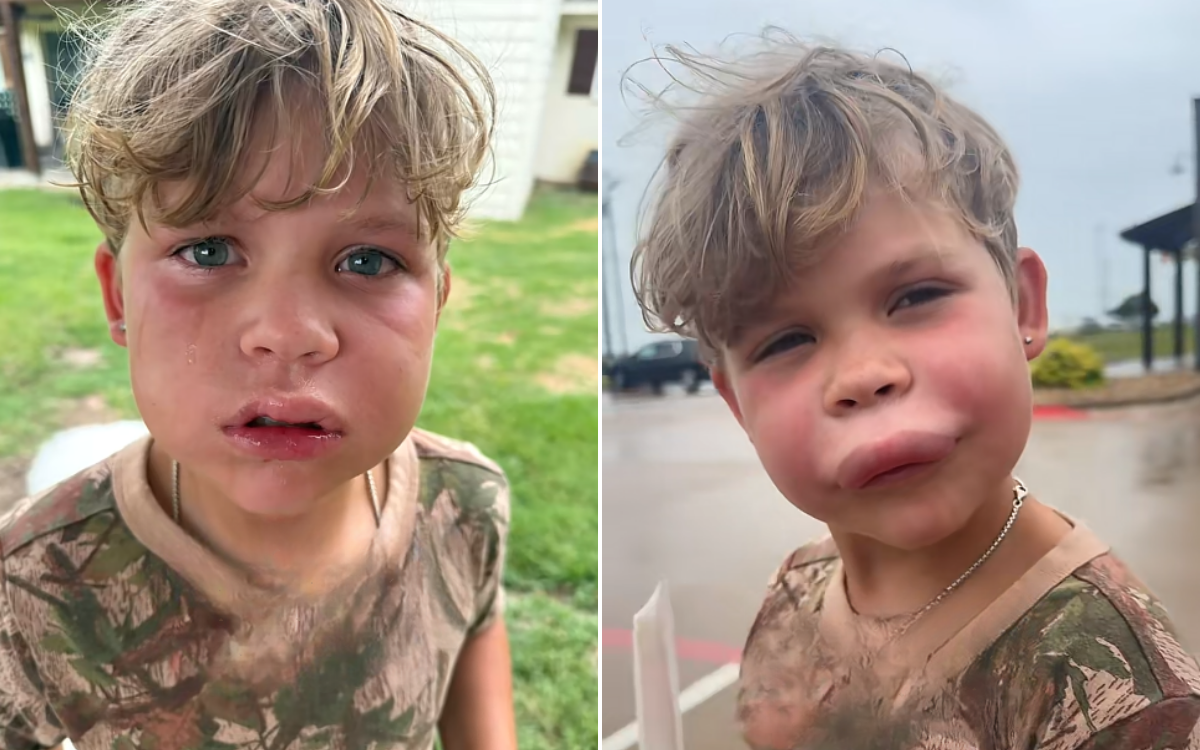
Bailey Cary shared a firsthand experience of her son Oliver’s unexpected reaction to a wasp sting. Initially, Cary was not overly concerned when Oliver returned from fishing at a local dock, reporting that he had been stung by a wasp. Oliver believed he might have disturbed a nest on his walk or brushed against one in a tree.
Cary administered Benadryl and provided an ice pack, assuming it would suffice. Bee, wasp, or hornet stings are common occurrences for most Americans, often resulting in pain but not typically serious consequences.
Recognizing Allergic Responses
However, Oliver’s reaction was abnormal. Cary soon noticed her son’s face swelling rapidly, indicating a significant issue. Oliver was part of a small percentage of individuals who have severe allergic reactions to stings.
The Centers for Disease Control and Prevention (CDC) estimates that 0.5 to 3 percent of U.S. adults risk systemic allergic reactions from stinging insects, including wasps, bees, and hornets. Approximately 10 percent experience localized reactions with substantial swelling. More severe systemic allergic reactions, potentially causing hives, respiratory problems, low blood pressure, and anaphylaxis, occur in 0.3 to 3 percent of adults and even less frequently in children.
Immediate Action Taken
Cary remained composed despite the alarming situation. Oliver’s lip had become swollen, but Cary aimed to keep him calm as they headed to urgent care. There, Oliver received a steroid injection and recovered swiftly. A doctor referred him to an allergist for further testing due to the unexpected allergic reaction.
Oliver’s reaction was surprising, as he had never experienced allergies before. Cary’s prompt actions prevented more serious consequences, demonstrating the importance of readiness and awareness.
Awareness and Precaution
The CDC recorded 788 deaths due to hornet, wasp, and bee stings from 2011 to 2021, averaging around 72 fatalities annually in the U.S. Most deaths stem from severe allergic reactions rather than direct venom toxicity.
Cary emphasizes vigilance among parents regarding potential unknown allergies. She discovered allergy susceptibility wasn’t purely genetic after Oliver’s incident. This experience has urged Cary to raise awareness about the dangers that stings may pose to some individuals.