
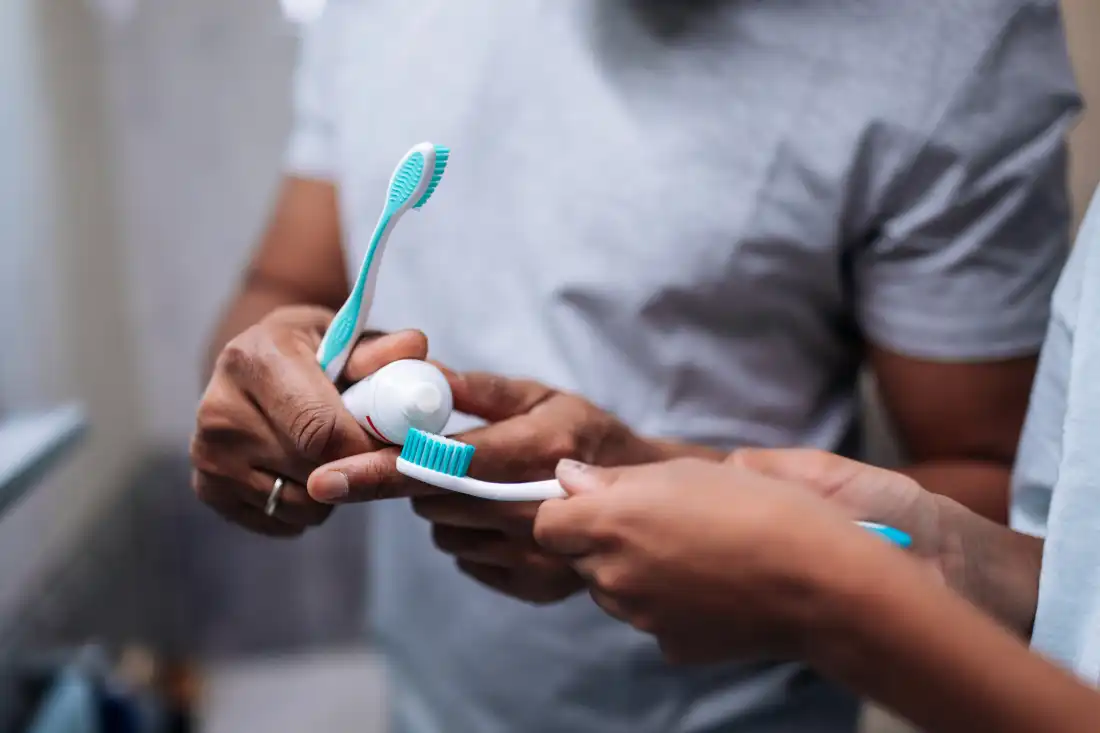
Hydroxyapatite toothpaste offers a fluoride-free alternative with research supporting its potential effectiveness. Dr. Jin-Ho Phark, an associate professor at the University of Southern California, notes growing interest from patients in such products, often spurred by social media.
The Emergence of Fluoride Toothpaste
Fluoride toothpaste became widespread in the late 1950s with Procter & Gamble’s release of Crest. It helps protect teeth from cavity-causing bacteria, with fluoride being a vital tool in oral health. Oral health connects with various body systems, impacting heart health and digestion.
Hydroxyapatite: A New Contender
Dr. Livia Tenuta explains that hydroxyapatite aims to protect against cavities, whiten teeth, and strengthen enamel without using fluoride. While fluoride’s benefits are well-documented, curiosity about alternatives like hydroxyapatite grows. Dr. Bennett Amaechi remarks on hesitancy toward fluoride due to historical skepticism.
These concerns have elevated hydroxyapatite, known for its similarity to tooth enamel. It consists of calcium and phosphate, which make up enamel. Over time, bacteria consume sugars and produce acids, leading to tooth decay. Fluoride aids in remineralizing enamel, forming protective compounds. Hydroxyapatite targets enamel crevices, especially with nano-hydroxyapatite, though its research is limited.
Research and Comparisons
Dr. Amaechi has studied hydroxyapatite, finding early research promising. A 2021 study followed children using both hydroxyapatite and fluoride toothpastes, showing similar decay prevention. Another study on adults supported these findings. However, researchers urge more studies, particularly involving high-risk individuals.
A 2019 study showed both toothpastes performed similarly in higher-risk patients. Despite hydroxyapatite’s promise, it generally costs more than fluoride-based options. Dr. Amaechi and Dr. Tenuta recommend fluoride toothpaste for its proven track record.
Expert Recommendations
The American Dental Association acknowledges the interest in hydroxyapatite but emphasizes fluoride’s long-standing support. The ADA advises brushing twice daily with fluoride toothpaste, flossing daily, and regular dental visits. While hydroxyapatite presents new possibilities, fluoride remains a well-established choice in dental care.