
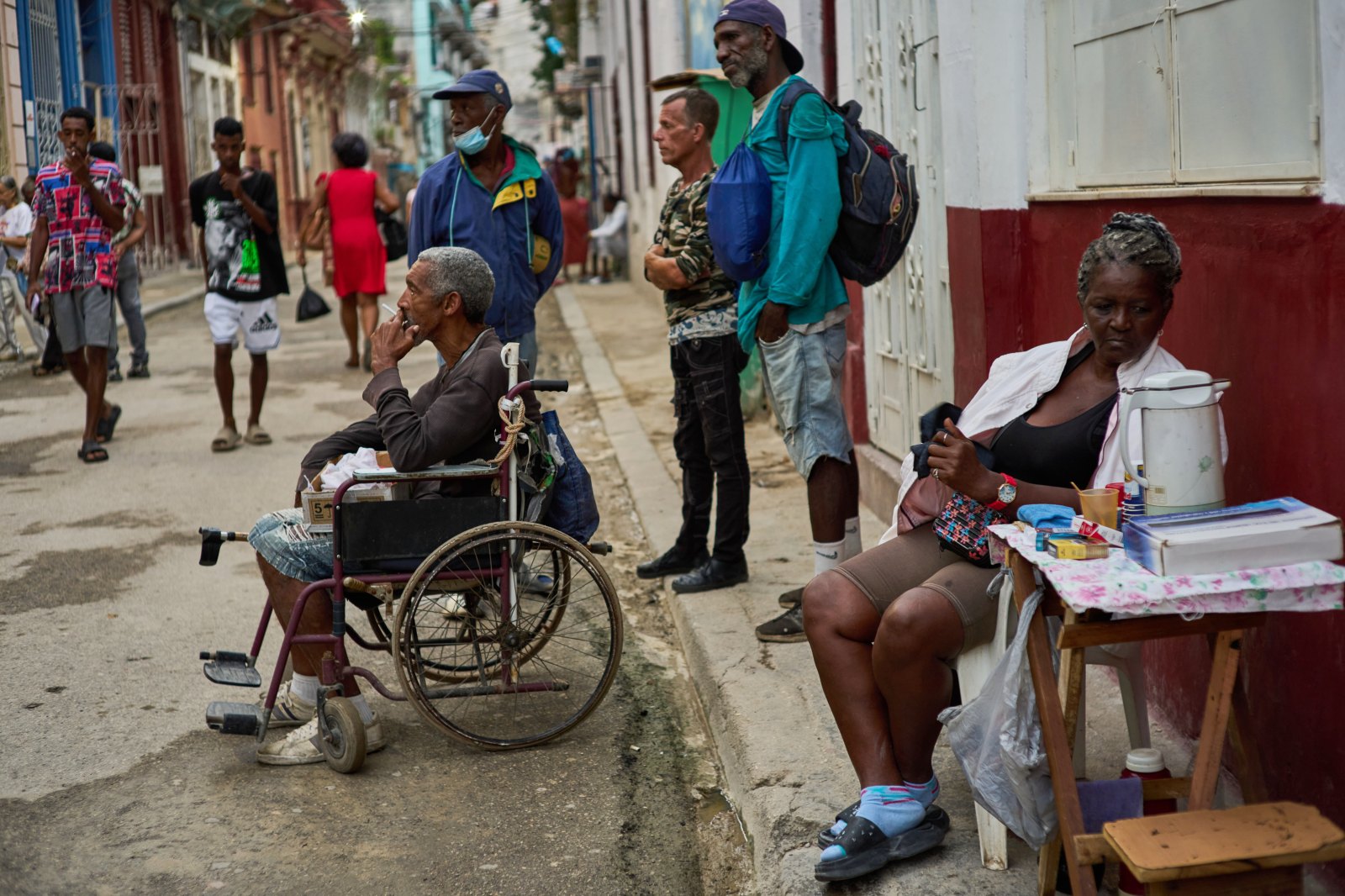
Time travel is a fictional concept, but visiting Cuba might feel like stepping back in time. The US has enforced an economic embargo on Cuba, located just 90 miles off its coast, for 64 years. The goal was to pressure Havana’s communist leadership to change, but this hasn’t been successful.
While Cuba’s leadership holds firm, ordinary Cubans face difficulties as the world around them changes slowly. In January, Venezuela’s President Nicolás Maduro was forcibly taken by U.S. troops in a daring, possibly illegal operation. Tensions between Washington and Caracas quickly dissipated, leading to Maduro’s deputy giving the U.S. control over Venezuela’s oil fields.
Weeks after Maduro’s capture, White House statements indicated Cuba might be the next target in Trump’s strategy. However, the focus shifted when American forces went to war elsewhere, pushing Cuba off the agenda.
Despite less attention, Washington’s campaign against Cuba has steadily progressed. Since January, economic sanctions and restrictions have increased. Venezuelan oil supplies were cut off, and threats of tariffs against fuel suppliers emerged. Sanctions expanded against Cuban officials and related businesses.
These actions severely impacted Cuba. Frequent electrical grid failures occurred between January and September, with blackouts lasting up to 24 hours. Politically, results remain elusive.
Christopher Hernandez-Roy from the Center for Strategic and International Studies commented the war in Iran altered Cuba-related strategies. Resources used against Maduro were needed elsewhere, and the unpopularity of the Iran conflict made Cuban military action politically risky if not immediately successful, like with Venezuela.
Trump promises victory. He mentioned during a rally that returning warships would force Cuba to yield before Marco Rubio finalizes negotiations. However, Rubio’s approach differs. He declared in August that economic routes for Cuba were closing and emphasized a long-term transformation plan for 2028.
Rubio has a personal connection to Cuba, understanding the dynamics deeply. Transitioning Cuba towards democracy is important to him personally. With Trump’s term nearing its end, Rubio is seen as a potential Republican presidential candidate for 2028.
Rubio’s patience contrasts with some supporters’ eagerness for military action. Miami’s Cuban-American community is anxious for dramatic measures, feeling unnerved by the slow approach.
Michael Bustamante, a historian at the University of Miami, noted that Rubio’s strategic patience left some supporters uneasy. Sebastián Arcos from Florida International University conveyed that both Trump and Rubio’s strategies aim to weaken the regime’s confidence.
Washington faces challenges with Cuba due to ingrained systems. Maduro’s removal didn’t alter Venezuela’s government structure significantly, but Cuba presents a different situation. Cuba’s government is a one-party state, unlike Venezuela.
Cuba’s Communist Party eliminated opportunities for political opposition over decades, concentrating power among party officials, military commanders, and intelligence chiefs. Independent opposition lacks significant institutional support, while the military oversees large economic sectors.
Even if leaders Díaz-Canel or Castro were replaced, cooperation isn’t guaranteed. New leadership could be hardline, as seen after the removal of Iran’s leader.
The Cuban regime prioritizes maintaining absolute power, even above citizens’ welfare. They won’t negotiate their own surrender, as their authority remains paramount, according to Arcos.
Cuba’s leadership endured the collapse of the Soviet Union and more than six decades of U.S. sanctions, believing they can outlast another American president.
Ordinary Cubans suffer economically, partly due to years of mismanagement and effects of COVID-19. Restricted fuel supplies and sanctions further exacerbate shortages of necessities.
Christopher Hernandez-Roy suggested that increased sanctions might eventually lead to negotiations, but the humanitarian crisis in Cuba could shift U.S. perception toward blame for worsening conditions.
Success for Washington could mean Cuba’s cooperation and openness to investment. Rubio and supporters seek a deep political transformation instead.
Though the U.N. vote saw some erosion of support for sanctions against Cuba, significant international opposition remains.
Cuba’s government remains unchanged as its economy falters. Rubio aims for gradual transformation while Trump anticipates quick victory. The Cuban population awaits a future neither side seems ready to provide.