
Saratoga Springs, N.Y.—Admissions Overhaul
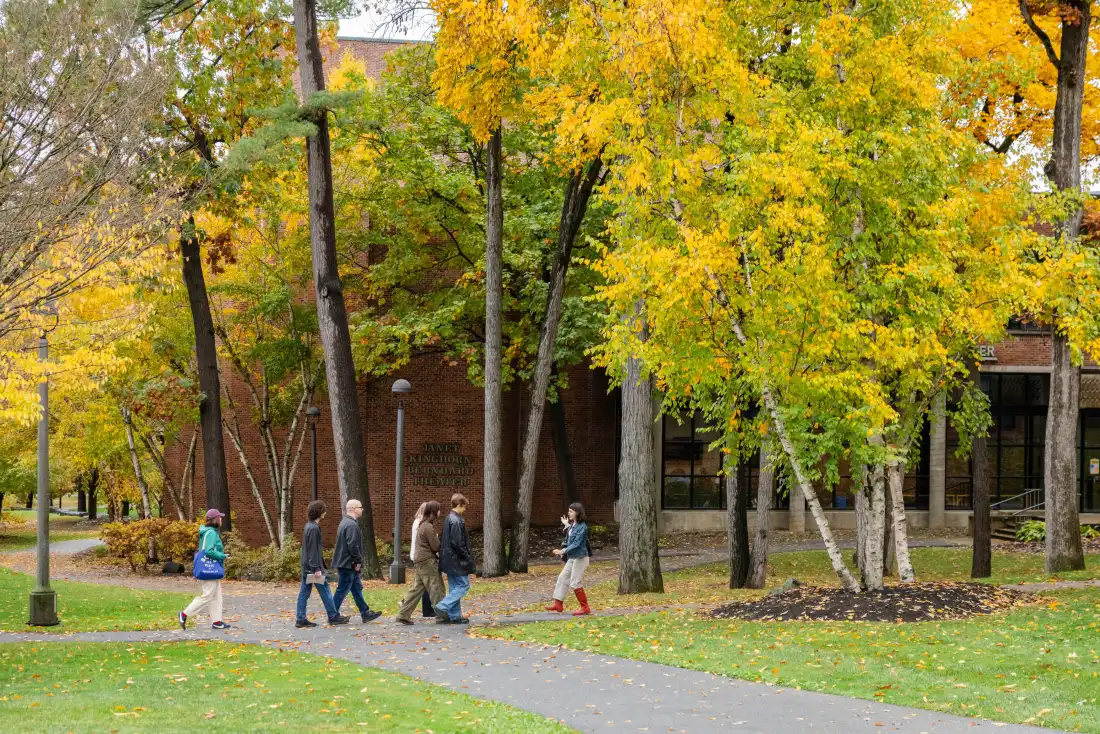
Alex Zaret, a 17-year-old high school senior, describes the college admissions process as overwhelming. During a tour at Skidmore College, he noted the stress of visiting multiple campuses. Zaret’s father, Owen, humorously likened the admissions journey to a full-time job due to the extensive research, visits, and paperwork involved. Despite their busy schedules, the Zarets have noticed changes in college admissions processes that now emphasize inclusivity and openness.
Colleges are transforming admissions from intimidating and secretive to welcoming and transparent, as Marc Conner, Skidmore’s president, noted. Skidmore actively works towards a friendlier process, even if it’s not struggling with enrollment numbers like other colleges. Various institutions now offer incentives such as waived application fees and enhanced financial aid to campus visitors. In 17 states, public universities admit students directly, and over 150 private colleges extend direct admissions offers to applicants using the Common App.
Adjusting to the Realities of Enrollment
Enrollment data underscores the need for such changes. Two-thirds of colleges missed their enrollment targets in recent years and expect tougher competition ahead according to a Niche survey. The Western Interstate Commission for Higher Education predicts a 13 percent decline in traditional-age freshmen nationwide over 15 years. Additionally, fewer high school graduates choose college—down from 70 percent in 2016 to 63 percent in 2024 based on Bureau of Labor Statistics data.
Despite these challenges for schools, admissions are generally easier for students, with acceptance rates increasing. Angel Pérez, CEO of the National Association for College Admission Counseling, highlights misconceptions about admission difficulties influenced by elite institutions. NACAC data shows 70 percent of applicants to private colleges and 80 percent to public colleges are accepted, figures that have grown over the last decade.
Faculty Engagement in Recruitment
“It’s all about creating a sense of belonging,” explained Jess Ricker, Skidmore College’s vice president for enrollment.
In a bid for better student engagement, Skidmore and other colleges now involve faculty in recruitment efforts. Faculty members meet with and engage prospective students in academic settings. This helps differentiate Skidmore from other schools in applicants’ eyes. Institutions recognize the importance of every interaction, as Rob Springall, a consultant at WittKieffer, pointed out.
With students applying to more colleges than before, predicting enrollments has become challenging—resulting in colleges increasing admissions numbers. Federal data shows yield rates have decreased significantly at both public and private institutions. This amplifies the pressure on colleges to persuade students to enroll after initial acceptance.
Everyone’s Role in Admissions
Engagement extends beyond faculty to all staff. Leah Beth Hubbard from The Parish Group advises teaching employees to engage with potential students. Encouraging staff interaction has become critical, especially given enrollment pressures. While some faculty members were initially reluctant, understanding financial consequences of enrollment numbers has shifted perspectives. Johnnie Johnson, vice president for enrollment management at Washington College, shared experiences on persuading faculty about the connection between student numbers and program funding.
Campus Visits Matter
Psychology Department Chair, Becca Johnson, at Skidmore details how personal interactions influence student decisions positively. Her meetings with applicants have proven meaningful, often impacting their willingness to enroll, as evidenced by feedback from parents.
Overall, Skidmore has observed favorable trends, including increased applications and a declining acceptance rate. Conner emphasizes the importance of community cooperation amidst challenges in higher education. Faculty and staff strive to provide welcoming experiences, making campus visits impactful for prospective students.
This report was prepared by The Hechinger Report, focusing on education inequality and innovation.