
The potential progress of the Take Care of America’s Veterans Act was halted in the House recently. This legislative effort, which could dramatically expand veterans benefits, faced suspension due to increasing resistance from lawmakers and veterans groups. Concerns were raised that enhancing certain benefits might decrease future disability payments for conditions like tinnitus and sleep apnea.
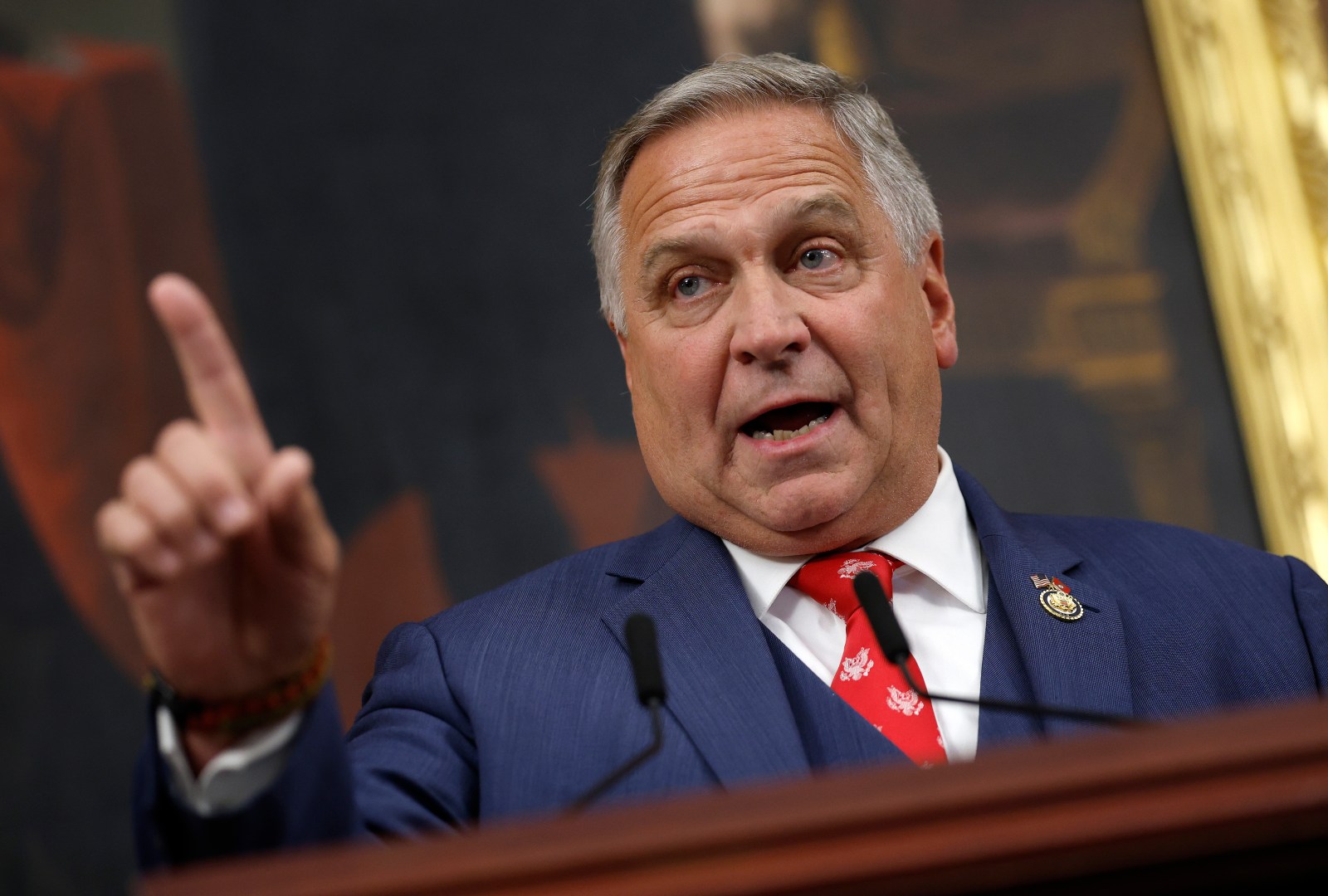
Initiated by House Veterans’ Affairs Committee Chairman Mike Bost, an Illinois Republican, the bill aimed to enhance benefits for disabled veterans, military survivors, caregivers, and families. It also sought to adjust veterans’ healthcare and compensation programs. Bost emphasized the fiscal responsibility and necessity of these changes, asserting the significance of finally achieving these long-awaited benefits.
Despite its importance, the legislation became a source of intense debate in recent years, splitting veterans organizations and facing opposition from Democrats due to funding mechanisms for the new benefits.
“We have found a pathway to finally get these benefits and transformations done for the first time in years… it is fiscally responsible to do so,” Bost said.
Key Provisions
Many parts of the proposal have bipartisan support but were delayed previously due to disagreements on funding. The attempt to consolidate multiple veterans priorities in one package led to criticism that it compromised some veterans benefits to enhance others.
Major Richard Star Act
Central to the package, this proposal allows around 50,000 combat-injured veterans to receive both military retirement pay and VA disability compensation without reductions. Despite hundreds of bipartisan co-sponsors, its multibillion-dollar cost has posed challenges.
Opponents, like veterans’ organizations, see the measure as compelling one veteran group to subsidize benefits for others by diminishing future disability compensation for ailments like tinnitus and sleep apnea.
“That’s why so many veterans’ organizations view it as a zero-sum proposal… the issue isn’t necessarily the expansion of benefits; it’s how those benefits are being funded,” Kevin Thompson noted.
Love Lives on Act
This act extends benefits to military widows and widowers who remarry, fulfilling a long-time advocacy goal.
Other Benefits Expansions
The package incorporates caregiver support, mental health initiatives, claims-processing improvements, and numerous veterans policy updates.
Funding Controversy
The main debate surrounds funding for new benefits. The measure partly relies on altering VA disability compensation for tinnitus and sleep apnea, potentially reducing compensation for veterans with these conditions.
Critics, including prominent Democrats, oppose the idea of offsetting new investments in veterans by curbing other benefits. They argue the legislative method is unfair and contradictory to promises made to veterans.
“The cost of war includes the human cost of caring for our veterans. We make a promise to care for these men and women after their service, and a great nation keeps its promises,” expressed Blumenthal and Takano.
Proponents argue that VA officials have already been considering changes to ratings for these conditions, and if the bill doesn’t pass, anticipated savings won’t enhance veterans’ programs.
Division Among Veterans Groups
The debate has split major service organizations. Supporters such as the American Legion and Wounded Warrior Project consider the legislation the strongest opportunity to pass several veterans priorities simultaneously. However, oppositional groups, like Disabled American Veterans and Veterans of Foreign Wars, reject the funding adjustments.
“Some veterans would gain benefits they’ve been wanting for years, but future veterans with tinnitus or sleep apnea claims could see reduced compensation,” remarked Alex Beene.
Uncertain Path Forward
After withdrawing the bill from the House floor, its passage before the summer’s end is now highly uncertain.
“The pushback has been fierce… veterans believe the government is changing the deal after the fact,” Thompson conveyed.
This stalemate raises valid concerns about the government’s ability to uphold commitments to veterans.