
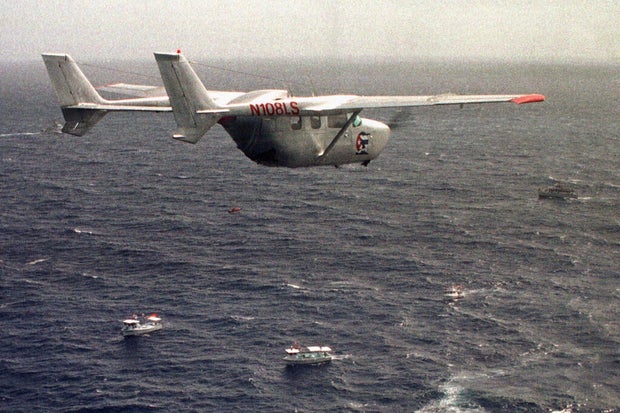
In February 1996, three small civilian planes took off from a Miami-area airport. They were operated by Brothers to the Rescue, an organization founded by José Basulto. This group, made up of Cuban exiles, conducted search-and-rescue missions for people fleeing Cuba.
Tragically, two of these planes were shot down by a Cuban fighter jet, resulting in the deaths of four people. This incident, 30 years later, is now the center of a federal criminal case. The U.S. has indicted Raúl Castro and five others. The charges include murder and conspiracy to kill U.S. nationals.
The indictment marks a significant step in the U.S.’s long-standing tension with the Castro family. This move follows increased pressure from the Trump administration on Cuba.
Brothers to the Rescue was launched in the early 1990s. Basulto, a participant in the Bay of Pigs invasion, ran the organization. The group flew missions between Florida and Cuba, aiding those escaping on makeshift vessels. However, the mid-1990s saw a drop in sea departures as the Clinton administration halted automatic admissions for Cuban emigrants.
Cuba accused the group of airspace violations and distributing anti-Castro materials. They even claimed the group attempted to sabotage power infrastructure. These allegations were linked to a former member who had returned to Cuba.
Declassified records from the National Security Archive reveal federal concerns about unauthorized flights. A premonition was noted by an FAA official fearing a Cuban attack on the planes.
On February 24, 1996, three planes departed from Opa Locka Airport. The incident unfolded soon after, with Basulto contacting Cuban air traffic about their position. Despite warnings, he proceeded, expressing their resolve as “free Cubans.”
A Cuban MiG-29 jet shot down two Cessnas, killing one U.S. citizen and one green card-holder in the first, two American citizens in the second. A recorded Cuban pilot coldly commented post-attack.
The ICAO investigated and concluded the planes were downed in international waters. Conflicting radar data from Cuba and the U.S. led the ICAO to use cruise ship data for its findings. The ICAO condemned the attack, highlighting international law prohibiting attacks on civilian aircraft.
Cuba maintained the shootdown was defensive. Fidel Castro later admitted to ordering preventive measures but denied specific directives for the February 24 attack.
The incident strained U.S.-Cuba relations further. Congress tightened sanctions, and Clinton took strong stands against the attack.
Legal battles ensued. Families of the victims sued Cuba and were awarded compensation. While one individual was convicted of murder conspiracy, several others were charged but not tried.
Over time, the case has resurfaced, with calls from Florida lawmakers for new charges against Raúl Castro. This comes amidst tense U.S.-Cuba relations exacerbated by the Trump administration’s policies.
The indictment follows the U.S.’ arrest of former Venezuelan President Nicolás Maduro, aligned with Cuba. As the indictment unfolded, Basulto expressed hope for accountability.