
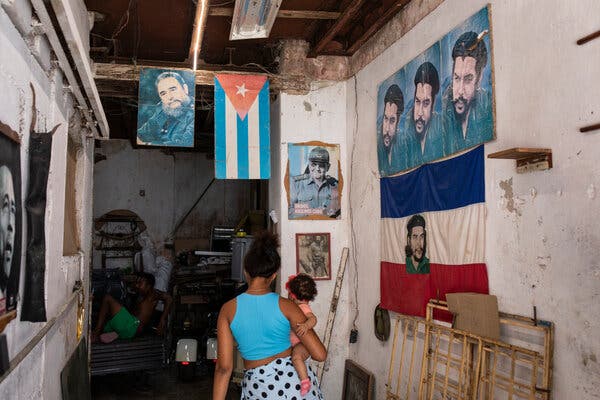
The U.S. has indicted Raúl Castro, accusing him of murder related to the 1996 downing of two planes that killed four individuals, including three Americans. This development has split opinions among Cubans. Some question the legitimacy of these charges, while others hope for changes that could alleviate their struggles.
Cuba faces frequent blackouts and communication issues, which slow the spread of information on the island. The news on Raúl Castro’s indictment reached few Cubans because spotty phone signals and widespread power cuts hindered access. Despite divided opinions on the charges, there is a shared dissatisfaction with current conditions.
Yoandy Benítez Ramirez, a tobacco factory worker, expressed a longing for change, saying, “This has to change.” Cubans endure shortages of food and chronic power failures. After the Trump administration curtailed Cuba’s oil supply in January, the island’s situation deteriorated further.
The economic impact and healthcare crises weigh heavily on the population. Many Cubans dream of a breakthrough that could improve their living conditions. Although access to information is restricted, some manage to watch U.S. television reports about the indictment.