
DUBAI, United Arab Emirates — A U.S. Army Apache attack helicopter crashed near the Strait of Hormuz. President Donald Trump reported that the two crew members on board emerged unscathed after this incident affecting the strategic waterway overseen by Iran. The cause of the crash remains unclear as of Tuesday morning in the Middle East, which is experiencing heightened tensions following an exchange of fire between Iran and Israel.
Iranian state media has acknowledged the crash, citing foreign sources but providing no additional details. Since U.S. and Israeli forces began operations against Iran on February 28, the ongoing conflict has disrupted the global economy and driven up energy prices. Efforts to convert the approved April ceasefire into a lasting peace agreement have stalled.
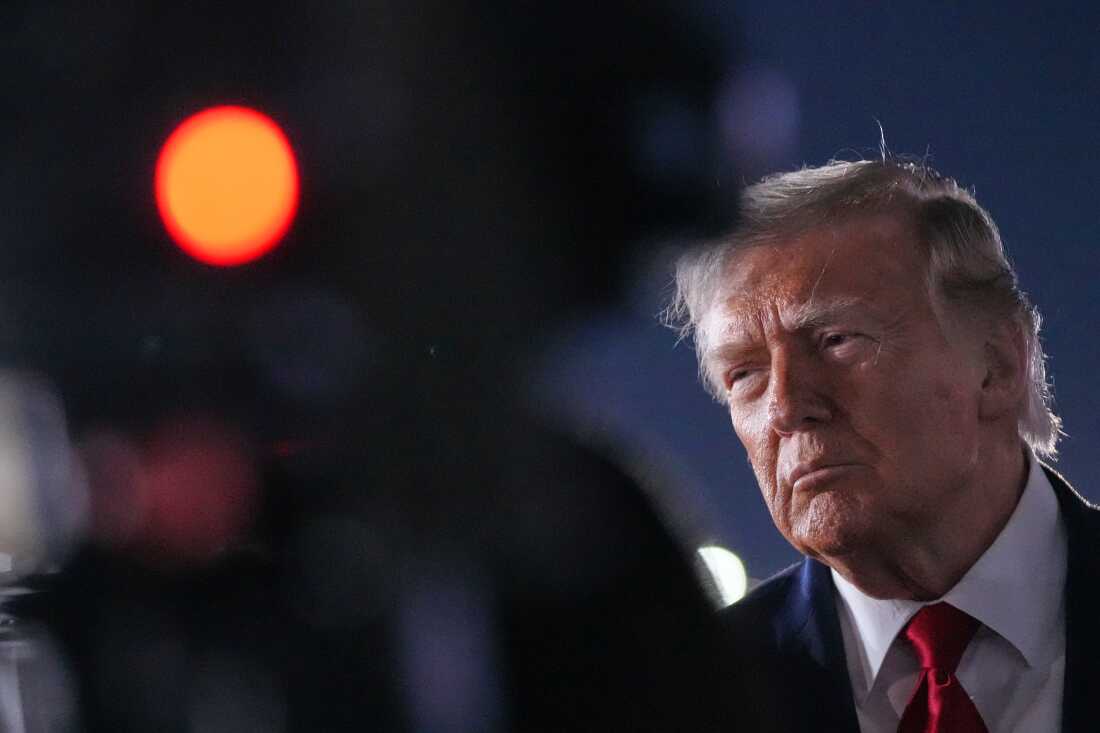
Trump addressed the situation while speaking to reporters at John F. Kennedy International Airport in New York, following a night watching the NBA Finals. He reassured that “the pilots are fine,” and mentioned that a report would be issued soon.
The New York Times initially reported the crash of the U.S. Army Apache near the strait. However, Central Command and the Department of Defense have not responded to the Associated Press’s requests for comment.
Apache helicopters play a crucial role in the U.S. military strategy to restrict Iranian oil shipments and exert pressure for negotiation. These helicopters have also been used by the United Arab Emirates to counter Iranian drone activities.
Trump Remains Optimistic About Iran Deal
President Trump reiterated optimism concerning negotiations with Iran, predicting that a deal might be signed in “two or three days.” However, he withheld specific reasons for this renewed confidence.
Trump stated, “We’re very close to having a very, very good, strong, powerful deal.” He acknowledged the potential for military action but highlighted the negative impact such measures could have on the region, notably the closure of the Strait of Hormuz for extended periods.
For weeks, mediators, primarily led by Pakistan, have been working to broker a deal. Yet, the U.S. and Iran stand firm on their respective demands. The U.S. requires Iran to relinquish enriched uranium stockpiles, stored since the 2025 conflict, while Iran demands a lifting of sanctions and access to frozen assets. Trump, however, rejects this idea without a finalized agreement.