
The United States and Iran exchanged missile and drone strikes on Wednesday, highlighting the vulnerable nature of a ceasefire that Washington claims is still active. Both nations seem open to negotiation despite ongoing tensions.
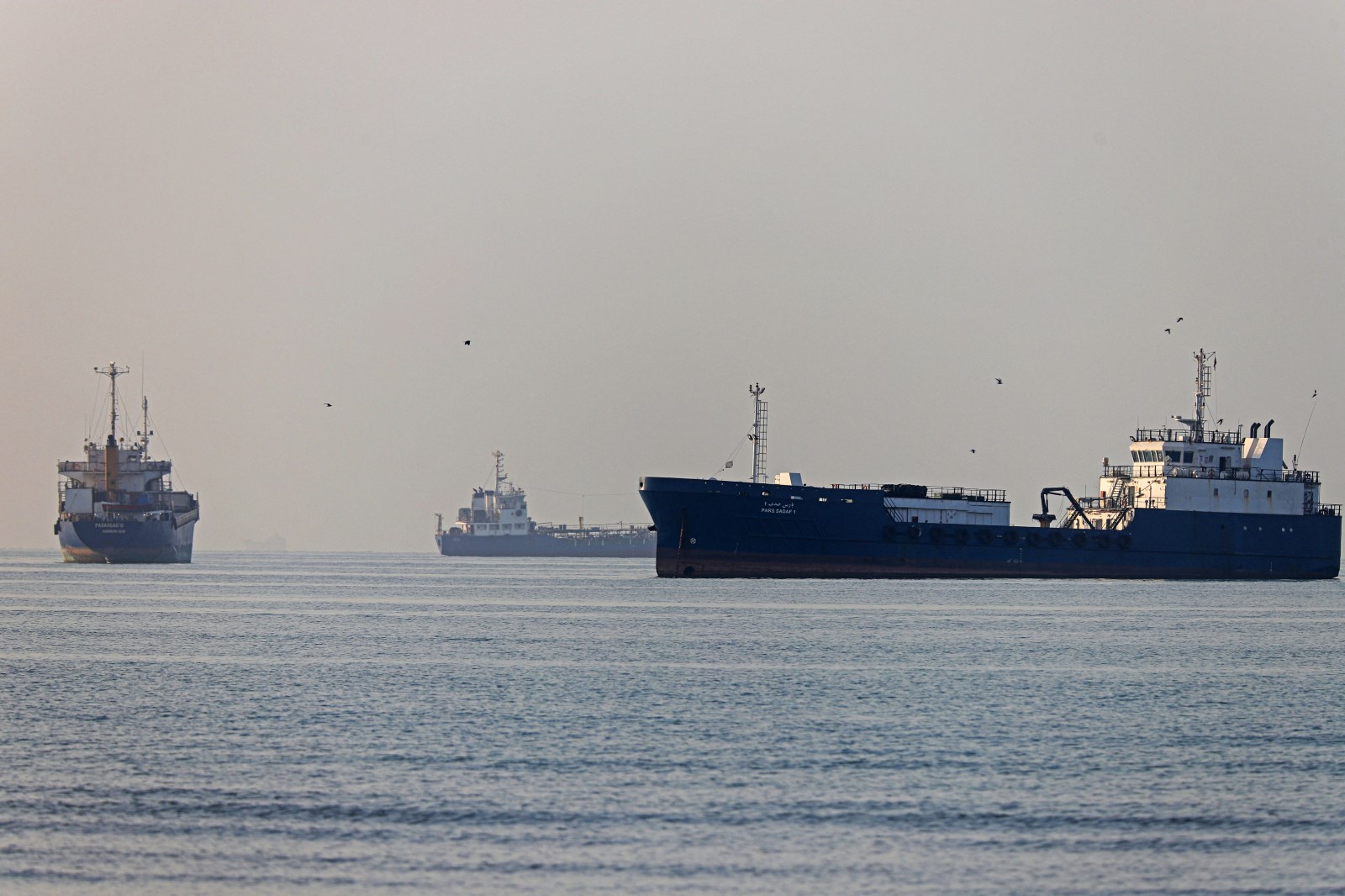
These recent confrontations followed a U.S. attack on an empty oil tanker. The tanker was accused of attempting to violate a blockade of Iranian ports imposed by the U.S. since April 13. During this blockade, six commercial vessels have been disabled and 122 have been redirected.
Kuwait Airport Targeted
Kuwait’s military reported that Iranian drones attacked its international airport, causing significant damage and injuries. The attack suspended air traffic in Kuwait, which called the incident a “criminal Iranian aggression.” The Islamic Revolutionary Guard-affiliated Tasnim News showed video footage claiming explosions at U.S. military bases in Kuwait. However, U.S. Central Command (CENTCOM) stated that air defenses had intercepted all drones with no harm to American personnel or assets.
CENTCOM confirmed that the fragile ceasefire remains in place despite the latest exchanges, which show the lack of progress in resolving the Middle East crisis. Secretary of State Marco Rubio expressed to the Senate Foreign Relations Committee that a deal with Tehran is attainable.
Self-defense Strikes
CENTCOM also confirmed the launch of a Hellfire missile against the Botswana-flagged tanker Lexie. This vessel was on course toward an Iranian port. The U.S. described its actions as “self-defense” strikes on Qeshm Island in the Strait of Hormuz, which Iran has blocked, causing disruptions in global energy markets. The Hellfire is designed for precise targeting from various platforms.
CENTCOM released a video of the missile striking the tanker, explaining that the crew ignored repeated warnings over a 24-hour period.
The strikes on Qeshm Island were described as a response to Iran’s attempted attacks across the Middle East. Tehran claimed it had targeted U.S. bases and helicopters with missiles and drones. The U.S. reported that Iran fired three missiles at Bahrain, all of which were intercepted.
Negotiation Efforts
In a Truth Social post on Tuesday, President Donald Trump urged Iran to make a deal. He stated, “It’s time, one way or another, for you to make a Deal.” Last week, the U.S. also targeted Iran’s attack drones and missile sites in self-defense strikes.
Professor Rajan Menon of the City College of New York noted the rapidly closing window for a deal. Trump faces opposition from those who believe he might sign a deal on Iran’s terms. Menon said Iran thinks that time is on its side due to rising war-related costs and decreasing support for Trump.
The situation resembles a game of chicken, where each side hopes the other will back down to avoid conflict. Although a collision isn’t certain, the likelihood is increasing.
Tehran’s Response
Iran’s parliament’s deputy speaker, Ali Nikzad, stated that negotiations will continue under the Supreme Leader’s guidance. Supreme Leader Mojtaba Khamenei has not appeared publicly since assuming his role. “The red lines considered by the supreme leader are on the agenda,” Nikzad said.
Trita Parsi, from the Quincy Institute, shared that an Iranian source indicated Tehran has responded to U.S. actions with greater force. Instead of matching U.S. attacks, Iran strikes back harder.
Former U.S. Deputy Assistant Secretary of State Len Khodorkovsky emphasized empowering the Iranian people as a path to peace. He mentioned that January protests showcased the public’s dissatisfaction with the regime. Khodorkovsky highlighted President Trump’s chance to change the Middle East dynamic by converting an adversary into an ally for future generations.