
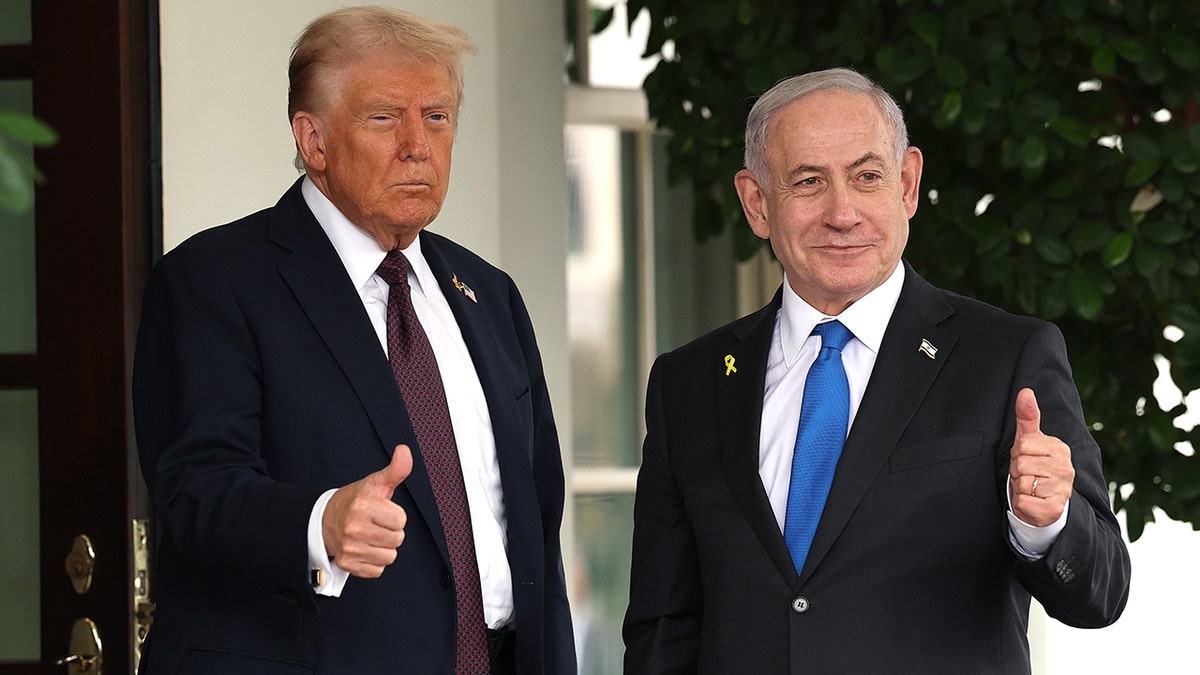
President Donald Trump expressed his inclination to support Israeli Prime Minister Benjamin Netanyahu in Israel’s approaching elections. This potential endorsement comes despite public disagreements concerning tensions in Iran and Lebanon.
In an interview with Israeli public broadcaster KAN News, Trump stated, “I’ll have to look at who’s running, but I like Bibi very much. I would be most likely to endorse him.” Known by his nickname, Bibi, Netanyahu remains a significant influence in Israeli politics.
Trump clarified that while he maintains a good relationship with Netanyahu, there is a need for the Israeli leader to be more rational. He commended Netanyahu but reiterated the importance of a reasoned approach.
“Bibi’s hair on fire”: Trump-Netanyahu public ‘rift’ masked unified front against Iran, analyst says
The remarks underline the complexity of their relationship amidst ongoing U.S. diplomatic efforts in the Middle East, especially with regard to Iran and Lebanon.
A recent Axios report highlighted a tense phone call between Trump and Netanyahu. During the call, Trump reportedly criticized Netanyahu, describing him in colorful terms over actions taken in Lebanon. Trump’s frustration stemmed from an Israeli strike in Beirut, which nearly interfered with the U.S.-Iran agreement.
Despite these events, Trump emphasized in conversations that he continues to like Netanyahu and works effectively with him. On a podcast interview with the New York Post, Trump confirmed his critical remarks but maintained that the Iran deal was progressing.
Netanyahu responded to the tensions by showcasing his relationship with Trump. In public statements, he referred to Trump as a personal and great friend, stressing their frequent communication and joint decision-making.
Amidst these developments, Vice President JD Vance addressed concerns over the Iran deal in an interview with The New York Times. Vance made clear that U.S. sanctions would remain if Iran continues to support groups like Hezbollah.
Vance noted that there’s an unfounded panic in Israel regarding the Iran agreement, suggesting that outcomes favorable to Iran are dependent on behavioral changes.
As the situation unfolds, both the White House and the Israeli embassy have been contacted for comments on these matters.