
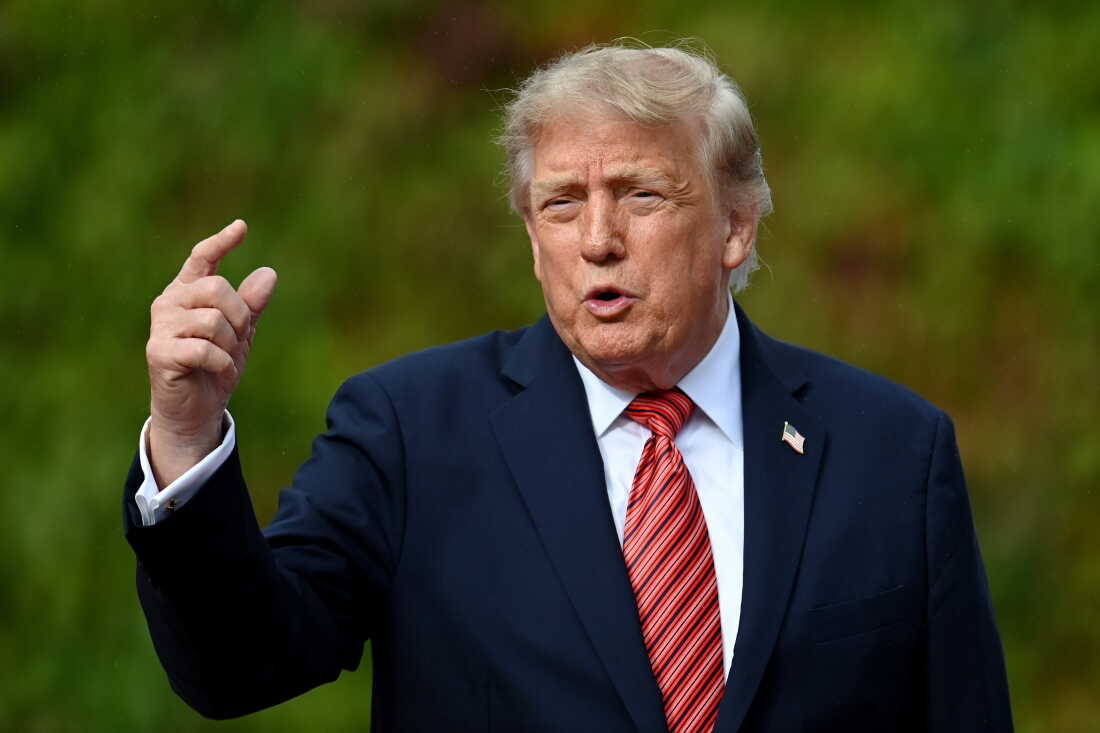
U.S. President Donald Trump’s decision to ban CNN, MS NOW, and Politico from the White House grounds has stirred controversy. The ban follows Trump’s criticism of negative coverage, which he claims spreads falsehoods about his administration. He warned that more media outlets might face similar bans.
Media Outlets Denied Access
Reporters from the affected outlets struggled with access. MS NOW’s Akayla Gardner reported being denied entry and having her badge deactivated. In contrast, an MS NOW producer gained access. The network reaffirmed its commitment to covering governmental actions, emphasizing their First Amendment rights and the American public’s stake in news reporting.
Similarly, CNN’s Betsy Klein, covering the White House since the Obama era, also experienced deactivated credentials. Referred to the White House press office, CNN insisted on their constitutional right to report freely.
Politico’s Cheyenne Haslett faced a similar denial, with Global Editor-in-Chief Jonathan Greenberger expressing full support for her and all White House reporters in upholding journalistic rights.
Reaction from Journalistic Bodies and Legal Experts
The White House Correspondents’ Association condemned the ban, seeing it as a violation of the First Amendment. President Jacqui Heinrich highlighted the role of a free press in scrutinizing government actions. The association urged the Trump administration to restore journalist access.
Legal expert Theodore Boutrous labeled the ban unconstitutional. Histor he pointed to previous instances where courts sided with media in disputes with the White House, although legal battles, such as the Associated Press case, continue.
Political Context
The decision comes during a contentious midterm election season, with Democrats gaining traction amid issues like a controversial Middle Eastern conflict, economic concerns, and domestic policy criticisms, including Trump’s threat to demolish the John F. Kennedy Performing Arts Center.