
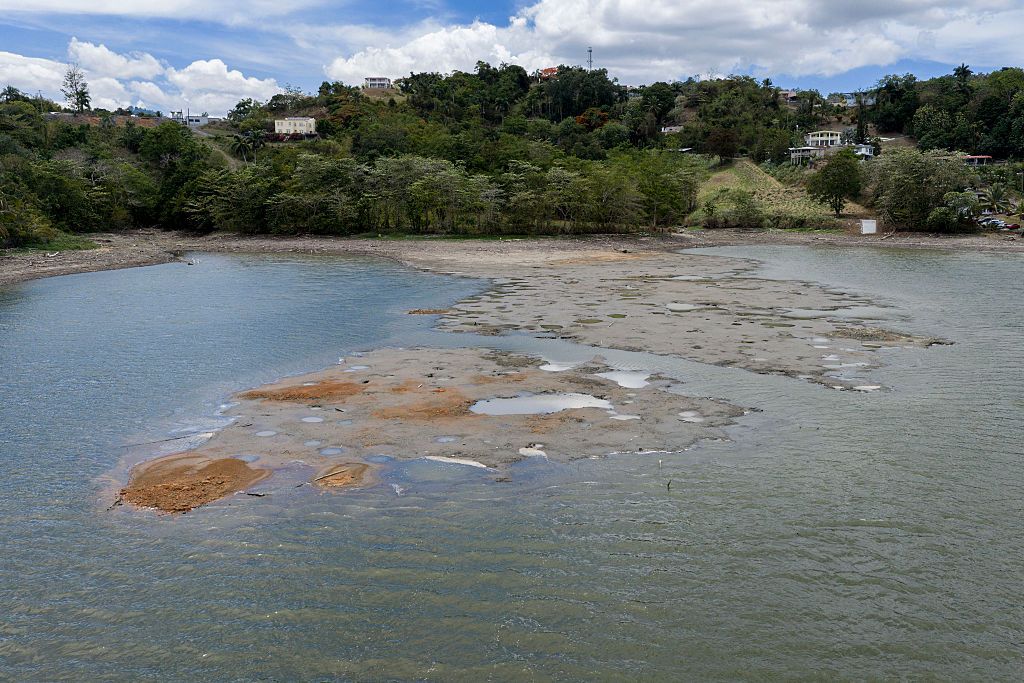
Hundreds of thousands of Puerto Rico residents face water rationing and service disruptions due to drought and aging infrastructure. Nine years after Hurricane Maria exposed weaknesses in the island’s systems, the current crisis highlights ongoing gaps between citizens and service providers. As officials manage shortages, accountability and transparency come into question.
Aging Infrastructure and Persistent Vulnerabilities
The immediate cause of Puerto Rico’s water crisis combines severe drought with a decades-old water network. San Juan experienced its driest July in over 120 years, with significant portions of the island in drought. Reservoir levels dropped sharply, prompting water-rationing measures.
The New York City Bar Association’s Puerto Rico Task Force notes that these issues predate recent droughts. PRASA reportedly loses about 65% of its water through leaks and system failures. A major pipeline failure in June revealed the system’s vulnerability, despite temporary fixes. The situation is reminiscent of post-Hurricane Maria challenges, where damaged utilities exposed longstanding neglect.
Hurricane Maria and the Civic Knowledge Gap
Hurricane Maria devastated Puerto Rico on September 20, causing extensive damage and a humanitarian crisis. It exposed weaknesses across infrastructure and government coordination. Jennice Fuentes, from BoricuActivatEd and a former chief of staff to Democratic Representative Luis Gutierrez, challenges the idea that Puerto Ricans lacked government navigation skills. She argues the storm revealed a gap between citizens’ desire to act and their understanding of governmental roles.
Communities mobilized post-Maria, raising funds and organizing relief, yet struggled to identify responsible authorities. “Our community did not lack passion,” Fuentes said. “We lacked access to the mechanics of power.” Civic understanding is essential for effective advocacy, she adds.
The Current Crisis: More Than Just Water Issues
Fuentes states the water crisis exposes similar civic challenges seen post-Maria. It forces consideration of infrastructure, planning, budgets, and accountability. Citizens need to understand who is responsible, where funds go, and how to demand action. Civic knowledge alone cannot replace functioning institutions, she cautions, but it’s essential for accountability.
The New York City Bar Association highlights fragmented authority across agencies, complicating citizen efforts to determine responsibility. This confusion impacts access to necessities and economic stability.
Lessons From Hurricane Maria and Future Civic Engagement
BoricuActivatEd emerged from post-Maria lessons. Fuentes founded it to teach civic engagement, aiming to empower citizens before emergencies occur. She emphasizes the importance of understanding government functions, like knowing who holds jurisdiction and how to communicate effectively.
Fuentes warns against relying solely on crisis-driven mobilization. Engaging consistently before emergencies helps shape future crisis responses. Many decisions affecting crises occur during routine budget and infrastructure planning, often without public scrutiny.
Puerto Rico’s Ongoing Relationship with Washington
Washington’s engagement with Puerto Rico often increases during disasters before fading. Federal attention during emergencies, followed by lack of continuous support, challenges Puerto Rican advocacy. Fuentes stresses the importance of consistent federal engagement.
Constituent advocacy is crucial. Fuentes notes the power of identifying as a constituent when contacting congressional offices. Civic power involves preparation before crises emerge.
The Vision for 2030: Civic Literacy and Accountability
Fuentes envisions widespread civic literacy in Puerto Rico by 2030. Her goal is for residents to understand government ownership and decision-making processes. Stronger civic literacy would enhance future accountability in infrastructure.
The current water crisis reflects questions about civic power and public accountability. Fuentes argues it’s essential to equip Puerto Ricans with tools to demand answers and engage in processes before the next crisis arises.