
Gene Editing in Citrus Trees
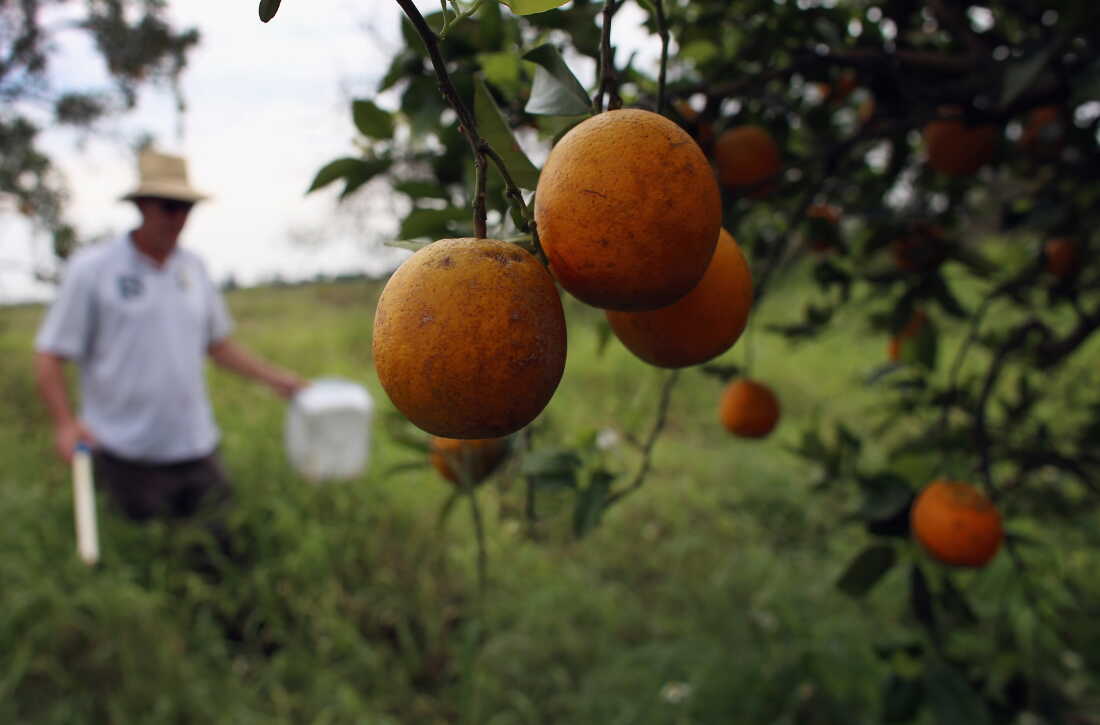
Guy Davies, an inspector for the Florida Division of Plant Industry, scrutinizes orange trees in Fort Pierce for signs of the Asian citrus psyllid, the insect responsible for spreading the bacterium that causes citrus greening disease. This disease has been devastating to Florida’s citrus industry.
Decline of Florida’s Citrus Industry
Citrus greening, first detected in Florida in 2005, has led to a significant drop in citrus production. In the late 1990s, Florida growers were producing around 300 million boxes of fruit annually. According to Matt Joyner, CEO of Florida Citrus Mutual, only a little more than 15 million boxes were shipped during the most recent season.
Efforts to Combat Citrus Greening
Growers have experimented with various methods to protect their crops, from tents to sprays. Recently, they have begun planting trees modified with gene-editing technology to resist the disease. These genetic modifications have received approval from the Environmental Protection Agency.
Introducing CarriCea T1 Rootstock
Tampa-based Soilcea has developed a gene-edited rootstock known as CarriCea T1. This innovation focuses on maintaining the tree’s immune system, reducing the need for insecticides. Yianni Lagos, CEO of Soilcea, emphasizes the importance of targeting the rootstock, as half the root system can already be dead before symptoms appear.
Before you even have symptoms, half the root system is already dead.
Ron English, whose family operated a citrus business until greening forced them out, observes the modified rootstock’s performance. Trees with CarriCea T1 are showing promising growth compared to those without it.
Promising Results in Test Fields
At Soilcea’s test field in Thonotosassa, the modified trees are taller and appear healthier than those planted without CarriCea T1. English highlights the differences: trees with the rootstock have fuller leaves, while others show signs of disease.
The true measure will come with the fruit, which takes years to develop. While data suggests the technology will work, Yianni Lagos notes the importance of observing older trees to assess performance.