
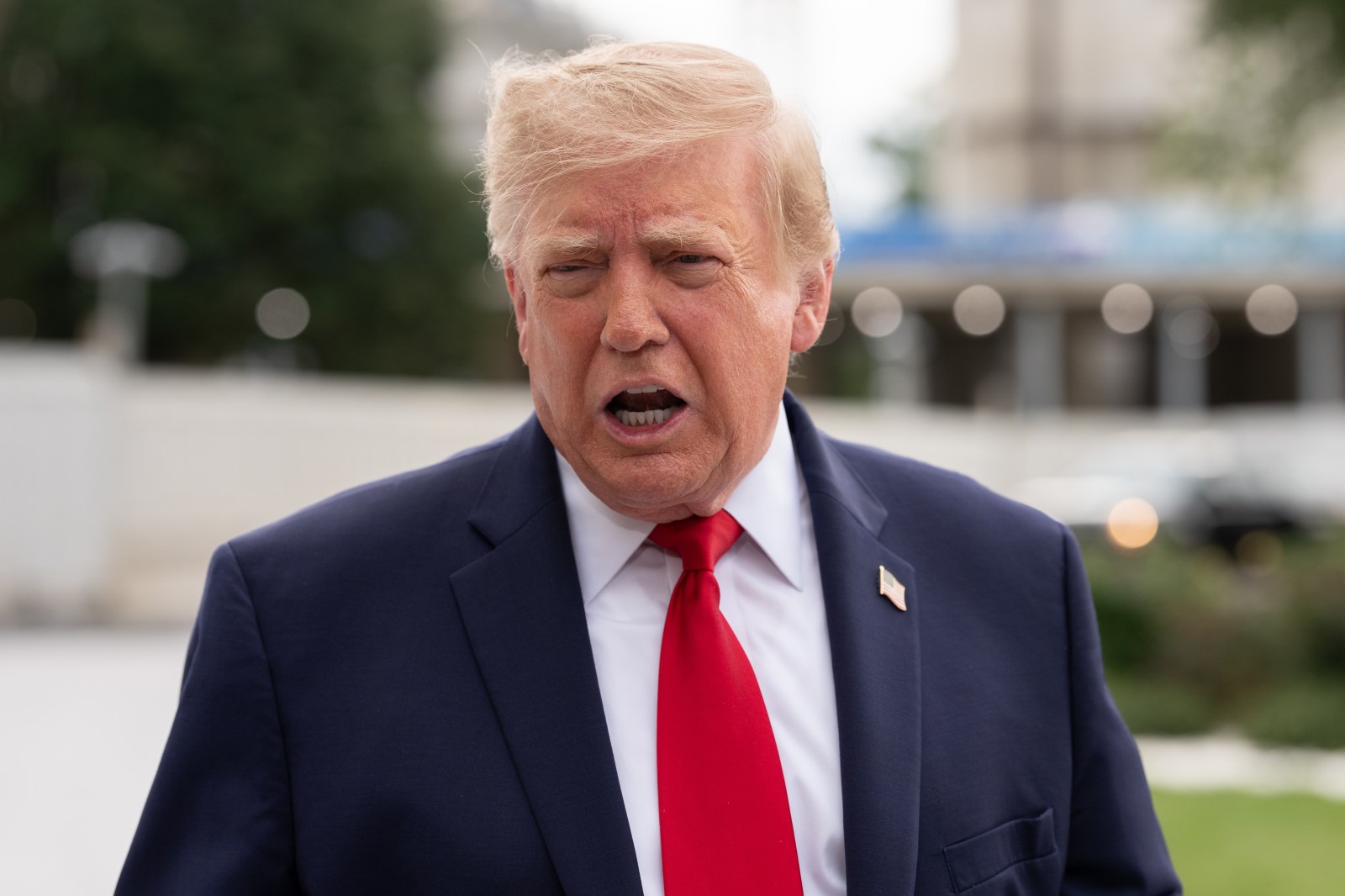
President Donald Trump announced on Saturday his rejection of Iran’s recent proposal to reopen the Strait of Hormuz and halt ongoing conflicts. He deemed the proposal unacceptable, yet indicated a willingness to engage in future discussions.
Before departing from the White House, Trump stated, “They want to make a deal and I think that’s fine. I’d like to make a deal, too. But that deal would not be acceptable.” These remarks represent a setback in diplomatic efforts aimed at resolving the seven-month conflict involving the United States and Iran. The conflict has significantly disrupted global energy markets and reduced shipping through this critical oil transit route.
In an attempt to address the situation, Iranian officials proposed a plan through mediators to reopen the Strait of Hormuz within a week and initiate talks regarding Tehran’s nuclear program. In exchange, Iran requested several concessions from Washington, including easing economic pressures and resolving conflicts. However, Trump rejected the proposal, highlighting Iran’s growing economic challenges. “They want to make a deal to open the Hormuz Strait immediately because they’re losing so badly,” Trump explained.
The recent conflict has led to a sharp decline in traffic through the waterway, impacting global oil supplies and raising economic concerns worldwide. Iranian Foreign Minister Abbas Araghchi expressed Tehran’s readiness to resume negotiations on its nuclear program contingent on reaching a broader agreement. The proposed agreement would have involved reopening the Strait of Hormuz and lessening regional hostilities before engaging in more comprehensive discussions.
Iranian President Masoud Pezeshkian also expressed support for diplomacy while attending events at the United Nations General Assembly. He emphasized that Tehran would not succumb to U.S. pressure. This proposal followed indirect communications between U.S. and Iranian representatives during the annual summit of world leaders in New York.
Trump’s refusal of the proposal came shortly after delivering a warning to Iranian leaders during his United Nations General Assembly address. He cautioned Tehran about choosing between negotiating with the United States or risking annihilation. The administration asserts that military and economic pressures have enhanced its negotiating stance, viewing Iran’s proposal as validation of this approach.
Despite turning down the recent offer, Trump conveyed that further diplomatic engagement remains possible. “They want to make a deal, and I think that’s fine,” he reiterated. “I like making a deal too.” Discussions between U.S. and Iranian officials at the United Nations General Assembly have continued, with Iran signaling its readiness for negotiations. Meanwhile, the Trump administration maintains its pressure on Tehran through both military and economic means.
President Trump also did not rule out the possibility of resuming military strikes after the November midterm elections.