
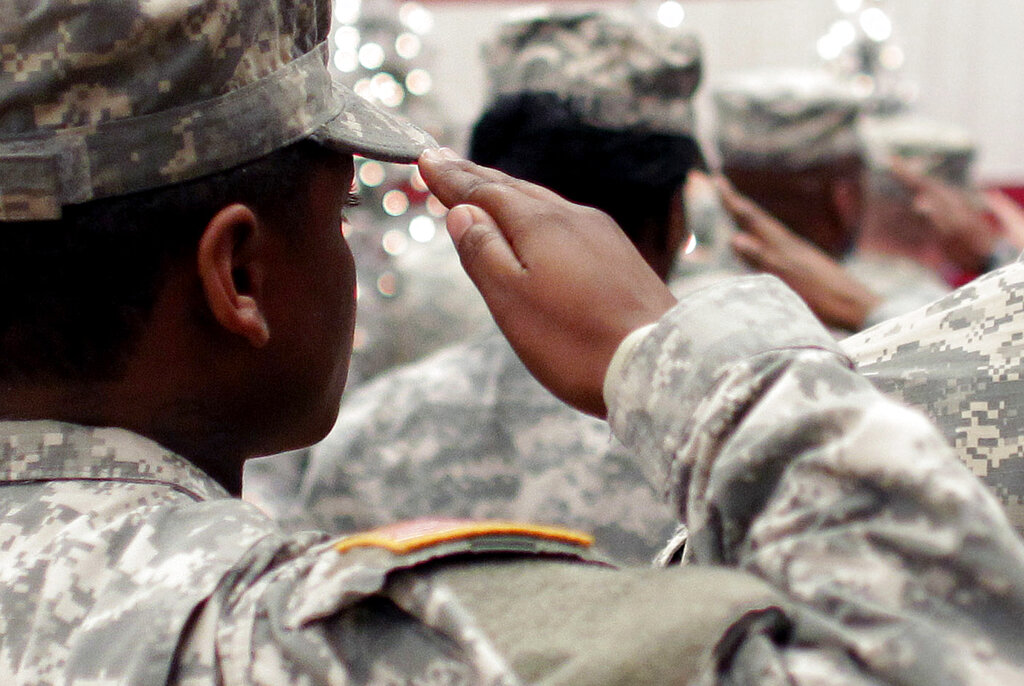
The U.S. military is experiencing a strong recruiting period. Recent reports highlight the Navy recruiting 45,000 sailors ahead of schedule and the Army meeting its goal of over 61,500 soldiers early. Congress has sanctioned an increase of roughly 26,100 troops this fiscal year. Many Americans volunteer to serve, and the nation pledges that their service will lead to opportunities beyond the military.
Education is a significant promise extended to these service members. Many in the military join primarily for education benefits, yet only around 30% of veterans achieve a bachelor’s degree. Colleges play a vital role in fulfilling the educational promise to veterans, impacting the military’s talent recruitment and retention.
Educational institutions need to adjust to better support veterans. Many campuses operate on a traditional academic schedule that doesn’t suit service members’ deployment timelines. Successful completion of degrees requires adaptability in scheduling, offering flexibility beyond the standard 16-week semesters.
Military personnel often face unique challenges, including visible and invisible wounds from their service. These can range from PTSD to service-related disabilities. Almost half of student veterans seek mental health services from Veterans Affairs. However, on-campus clinical support is limited, with only 54 institutions offering such care.
Beyond clinical care, veterans experience moral injury, a distress resulting from actions during service that conflict with personal values. Building trust between faculty and veteran students is crucial. Personalized relationships can support veterans through academic challenges, creating an inclusive and understanding learning environment.
Translating military experience to academic credit is another area needing improvement. Many service members acquire advanced skills during their service. Schools should recognize these abilities through credit, speeding up the path to a degree and validating the veterans’ expertise.
The link between college education and post-graduation careers must be strengthened. Universities should provide advisors who can help translate military skills to civilian job requirements and connect veterans to industries aligned with their training. Combining educational benefits with career services makes the transition smoother.
Recruitment thrives on personal stories and relationships. When veterans leave college without degrees, these stories influence potential recruits. With record numbers joining the military, higher education is pivotal in honoring the commitment to these individuals.
Philip “Flip” West, an alumni of National University and UCLA, shares these insights. However, his views do not reflect official Department of War positions.