
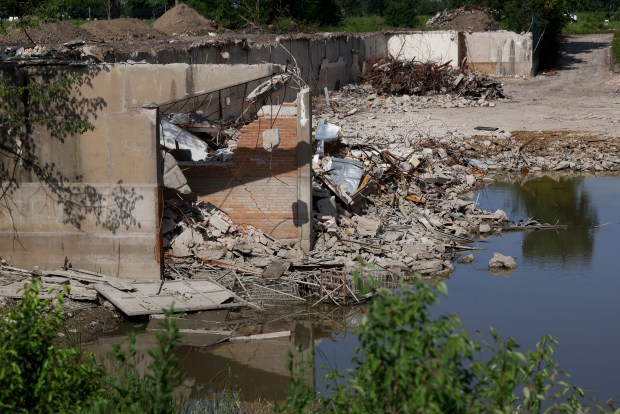
Over two years after acquiring the former Tinley Park Mental Health Center, the Tinley Park-Park District anticipates completing cleanup at the site by the year’s end. But before embarking on development, they work to finish the Illinois Site Remediation Program, initiated in September 2025. Soil Sampling and Remediation
This fall marks the commencement of soil sampling as part of the remediation process, expected to take at least a year. Renee Cipriano, the former Illinois Environmental Protection Agency director overseeing the cleanup, highlights that this process is crucial for ensuring the site’s safety for recreational use. Despite cleanup efforts, which included asbestos removal and demolition, thorough remediation investigates and eliminates any residual contaminants.
Recreational Use and Development Plans
Lisa O’Donovan, Park District board President, emphasizes the uncertain nature of specific development plans and funding, focusing on completing the cleanup first. Community feedback is essential to determine the type of recreational use. Tinley Park village officials have expressed concerns about the cleanup efforts and potential development plans, having earlier considered commercial redevelopment. The Park District’s vision, announced in 2025, includes featuring several sports facilities and a pond, aiming to extend Freedom Park.
Funding and Engagement
The district explores funding options, including public-private partnerships and state assistance. Two significant state grants have supported the cleanup efforts, totaling $33 million. The site is restricted to public recreational use, prohibiting gambling facilities per state law. Violations would result in the property reverting to state ownership.
Demolition and Remediation Challenges
The demolition of structures continues, with only 13 buildings remaining by June’s end. Factors like deep concrete footings or stormwater issues could delay progress. Unique challenges include removing a tunnel system on the property, with significant sections already cleared.
The remediation process involves drilling and soil sampling, with bids scheduled for this work. Despite the lengthy procedure, it grants the district community safety assurances and voluntary property cleanup via IEPA oversight.
Community Involvement and Future Development
After cleanup, a community engagement campaign will invite stakeholder ideas through various platforms. The Park District’s commissioners will have the final say in development, informed by the Remediate 280 committee’s input.