
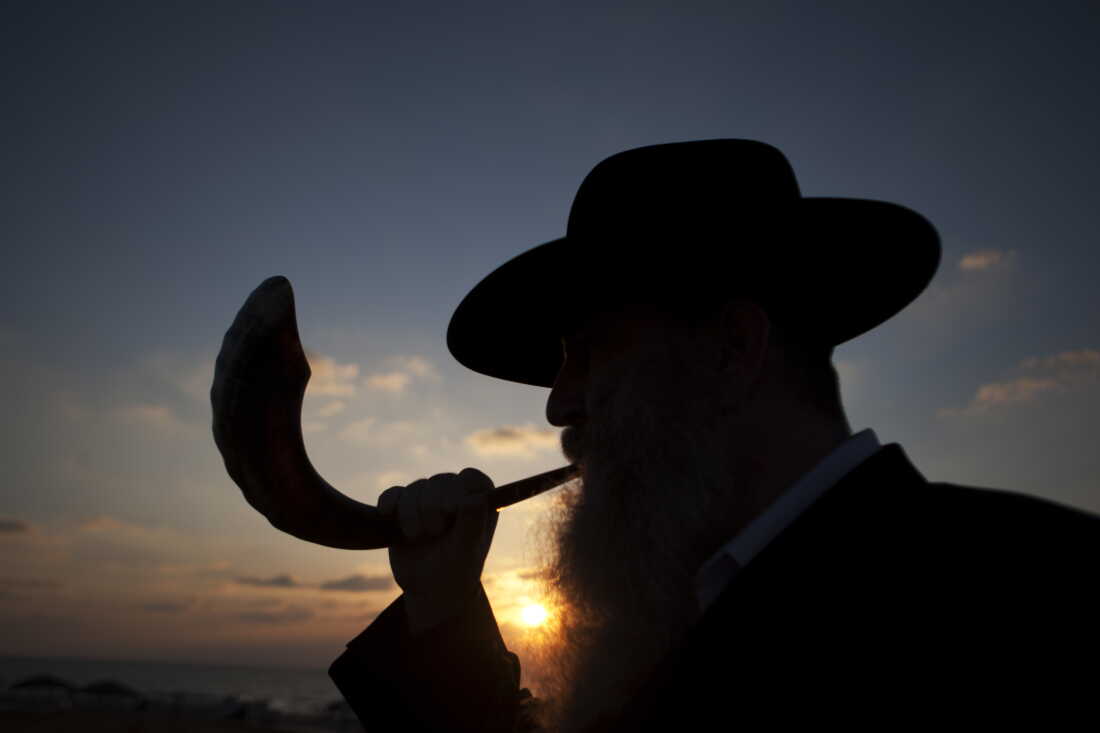
The shofar is an essential element of Jewish tradition and is prominently featured during Rosh Hashanah rituals. A man in Israel performing this ritual can either use the small, curved horn of a ram or the dramatic spiral of an African antelope. The sound produced by these horns is distinct and unmistakable. Rabbi Alicia Jo Rabins, a Portland-based musician, notes that creating the sound requires practice, similar to playing brass instruments.
Rosh Hashanah marks the Jewish New Year and begins at sunset on Friday. Jews worldwide observe this two-day holiday with prayer, reflection, and celebration. The shofar, an animal horn blown like a trumpet, plays a significant role. Daniel Picus, an associate professor at Western Washington University, explains that the shofar serves to call people to attention. This function is evident in all biblical instances of its use.
Historically, the shofar has marked significant events, such as the revelation of the Torah at Mt. Sinai and the initiation of the Jubilee year. Priests used shofar blasts to bring down the walls of Jericho. The instrument captures heightened experiences and emotions, particularly during Rosh Hashanah. Picus confirms this association is rooted in biblical texts, which describe the holiday as a ‘day of trumpeting and remembrance.’
“In Jewish law, the shofar is integral, clarified further in the Mishnah and other rabbinical codifications. These texts provide detailed instructions on preparing, repairing, and blowing the shofar,” explained Picus.
In subsequent centuries, rabbinical debates have investigated the meaning and significance of the shofar. Rabbi Micha’el Rosenberg of the Hadar Institute references sources that liken the sound of the shofar to a mother’s pain—the mother of Sisera, a slain biblical commander, and a woman in labor. Rosenberg highlights the emotional impact of specific blasts, known as ‘teruah,’ likening them to cries and gasps.
Maimonides, a medieval rabbi, portrayed the shofar’s blast as a spiritual wake-up call, urging individuals to strive for personal growth beyond their immediate surroundings. Rosenberg cites Hasidic beliefs that the shofar’s blast reenacts the invigorating breath of life. However, the power of the shofar lies beyond verbal expression, transcending rational thought and stirring profound feelings, he said.
Rabbi Rabins reflected on the shofar’s timeless call, connecting individuals to their ancestors who have heard and produced the sound for millennia. She remarked, “The sound wakes you up to life’s joys and sadness, urging attention to the present moment and the year ahead.”
This exploration of the shofar as a spiritual instrument appeared through collaboration between NPR and Religion News Service, highlighting its cultural and religious significance during Rosh Hashanah.