
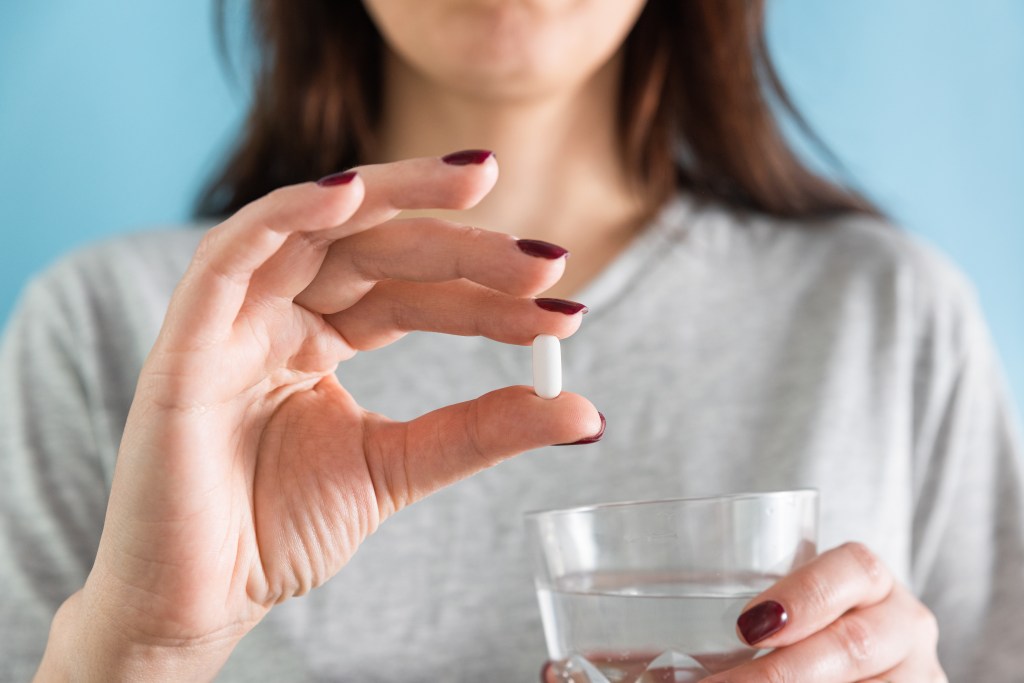
Many people seek to improve hair health through supplements, but this path could have unexpected consequences. Over 80 million Americans experience hair loss, and many opt for supplements to maintain hair thickness. However, some common supplements may affect critical health diagnostics.
Biotin and Its Impact on Blood Tests
Biotin, or vitamin B7, is a popular ingredient in hair-growth supplements. This vitamin is present in foods like meat, eggs, nuts, and avocados. It is also available as supplements, often in doses of 5,000 to 10,000 micrograms. Adult dietary requirements are about 30 micrograms daily, far below these supplement doses.
This is an important and often overlooked patient safety issue.— Dr. Navin S. Arora, dermatologist
Biotin supplements can interfere with blood tests. These tests assess various health indicators, such as heart condition or thyroid function, by using biotin-based methods. Excess biotin from supplements can result in inaccurate readings.
Misleading Test Results and Related Risks
High doses of biotin can falsely alter test results. For instance, they can make cardiac troponin levels appear too low, delaying heart attack diagnosis. Thyroid tests may show inaccurate levels of hormones, suggesting hyperthyroidism. Other affected tests include those for vitamin D, calcium regulation, and reproductive hormones.
Infectious disease screenings and cancer markers, such as those for hepatitis or prostate-specific antigen, may also be impacted.
Some tests, like a complete blood count (CBC) and certain metabolic panels, tend not to use biotin-based techniques, reducing the risk of misleading outcomes.
Should You Take Biotin?
Before starting any supplement, consulting a healthcare professional is crucial. If you are already taking biotin, disclose your dosage to your doctor before lab tests. Generally, recommended dosages under 1,000 micrograms per day cause minimal interference.
To minimize biotin’s impact, leave eight to 72 hours between taking the vitamin and undergoing blood tests. In a medical emergency, seek immediate care despite recent biotin intake.
Rethinking Biotin Supplements
The FDA warns about high-dose biotin’s interference in diagnosing heart and thyroid conditions. Evidence supporting biotin benefits for those without deficiencies is scarce. True biotin deficiency is uncommon with a balanced diet.
For those concerned about blood test complications, biotin-free hair products are becoming available, such as Xtressé gummies, Lemme Grow capsules, and Nutrafol Women Advanced formula pills.
The priority is still finding and treating the cause of someone’s hair loss.— Dr. Navin S. Arora